What Are Good Packed Lunch Ideas for Teenagers?
Good packed lunch ideas for teenagers: filling, cool-approved lunches beyond sad sandwiches — wraps, pasta salads, bento boxes and smart snacks.
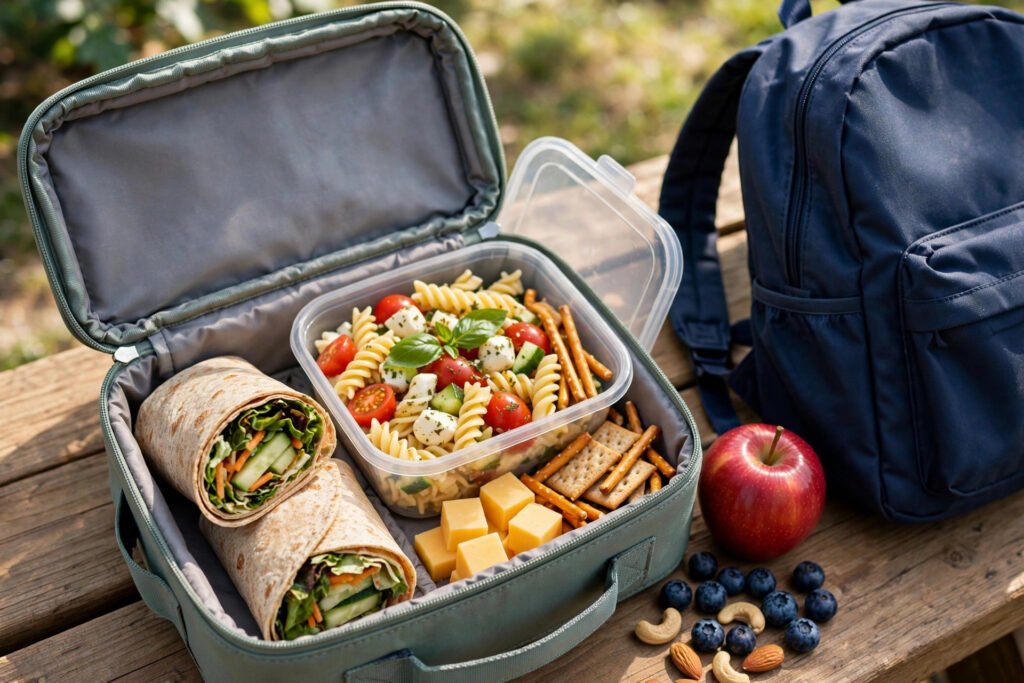
Finding packed lunch ideas for teenagers that they’ll actually eat — rather than trade, bin, or bring home untouched — is a special kind of parenting challenge. Teenagers are hungry (growth spurts are no joke), they’re image-conscious (nothing “babyish”), and they have opinions. My teenager once staged a full protest over a lunchbox containing, and I quote, “embarrassing carrot sticks.” The ideas below are the ones that survived contact with an actual teenager: filling enough for growing appetites, robust enough to survive a school bag, and cool enough to be eaten in public.
What Teenagers Actually Want in a Lunchbox
After extensive field research (asking my kid and their friends), the criteria are: filling (a sad salad won’t cut it — they need proper energy), easy to eat (no cutlery dramas or foods that fall apart), not smelly (tuna mayo and boiled eggs are social suicide in a classroom), and varied (the same sandwich every day gets rejected by Wednesday). Temperature matters too — food that’s meant to be cold should stay cold, so invest in an insulated lunch bag and an ice pack. Food safety isn’t negotiable: the Food Standards Agency’s packed lunch guidance is worth a read.
Beyond Sandwiches: The Main Event Ideas
- Wrap bar wraps: large tortillas with chicken, cheese, lettuce and mayo hold together better than sandwiches and feel more “grown up.” Wrap tightly in foil.
- Pasta salad: cold pasta with pesto, cherry tomatoes, mozzarella and chicken or tuna. Filling, cheap, and it improves as it sits. Make a big batch Sunday night.
- Fried rice boxes: leftover rice stir-fried with egg, peas, sweetcorn and soy sauce. Eaten cold, it’s delicious — and it uses up dinner leftovers.
- DIY bento: compartments of different bits — cheese cubes, crackers, ham roll-ups, grapes, hummus and pitta. Grazing-style lunches suit teenagers who “aren’t hungry” at noon but are starving by 2pm.
- Savoury muffins or cheese scones: bake a batch at the weekend; they keep for days and feel like a treat. Our easy baking recipes include cheese scones teenagers can make themselves.
- Quesadillas: cheese and bean quesadillas, cooked and cooled, cut into triangles. Sturdy, tasty cold, endlessly customisable.
- Noodle pots: the homemade kind — dry noodles, flavour paste and veg in a jar, with hot water added from the school canteen. Check your school allows it first.
Snacks That Aren’t Embarrassing
The main needs backup. Good options: flapjacks (homemade — see our granola and flapjack ideas), popcorn in a bag, cheese strings or Babybel, fruit (grapes, apples, satsumas — easy, no mess), yoghurt pouches, trail mix, and a cereal bar that isn’t pretending to be healthy. Avoid anything that needs peeling dramatically or makes a mess — teenagers will simply not eat it in front of people.
Drinks: a reusable water bottle is the baseline. If they want more, squash in a bottle is cheaper and less sugary than fizzy drinks — and many schools ban energy drinks anyway.
The Weekly System That Makes It Bearable
Here’s the routine that stopped packed lunches ruling my Sunday nights. Sunday: cook one batch item (pasta bake, fried rice base, or a tray of savoury muffins) and portion it into 3–4 lunchboxes straight away. Nightly: assemble tomorrow’s box in five minutes while dinner cooks — main from the batch, plus fruit, snack and drink. Friday: use-it-up day — whatever’s left becomes the lunch, no fresh cooking required.
Get the teenager involved in choosing. I do a weekly “pick three mains” negotiation, and lunches get eaten far more reliably when they’ve chosen them. Even better, teach them to make their own — a 14-year-old is perfectly capable of assembling a wrap or portioning pasta salad, and it’s a life skill they’ll actually use at university.
Cost and Nutrition: The Honest Numbers
A homemade packed lunch costs £1–£1.50 a day versus £3–£4+ for school canteen or meal deals — that’s £300–£500 saved per school year per child. Nutritionally, you control the salt, sugar and portions, which matters when teenagers would otherwise live on meal-deal crisps. Aim for the balance: a protein (chicken, eggs, beans, cheese), a carb (pasta, rice, bread, wraps), some veg or fruit, and a treat. Nobody’s asking for perfection — just better than the alternative.
The Night-Before Assembly Line
The secret to sustainable packed lunches is never making them in the morning. Mornings are chaos; evenings are calm. Build a five-minute night-before routine: while dinner cooks, portion tomorrow’s main into the lunchbox, add the fruit and the snack, fill the water bottle, and put the whole box in the fridge. Morning-you just grabs it. Keep a dedicated lunchbox shelf in the fridge so nothing gets buried, and keep the ice pack in the freezer door where you’ll see it. On Sundays, do the one batch-cook — pasta bake, fried rice, a tray of sausage rolls — and portion three or four days’ worth straight into boxes. The upfront effort is twenty minutes; the nightly effort is five. That’s the difference between a system that lasts all term and one that collapses by October half-term.
Allergies and School Rules
Check your school’s food policies before you plan — many UK schools are nut-free, some restrict certain snacks, and most have rules about fizzy drinks and energy drinks. If your teenager has allergies, the lunchbox is actually the safest option (you control everything), but label clearly and teach them to speak up if offered food they’re unsure about. For nut-free schools, seed-based snacks (pumpkin seeds, sunflower seeds) replace nuts nutritionally, and tahini replaces peanut butter in most uses. And a note on the social side: teenagers with dietary needs sometimes feel self-conscious about “different” food. Involving them in choosing — and making the food genuinely good, not worthy — is what makes the difference between a lunchbox they’re proud of and one they hide.
The takeaway: filling, cool, varied, and chosen with their input. Batch-cook one main on Sunday, assemble nightly in five minutes, and let them pick the menu. The carrot sticks? Cut into batons, served with hummus, in a bento box. Apparently that’s fine. Who knew.