
How to Start a Vinyl Record Collection on a Budget
How to start a vinyl record collection on a budget: turntables, where to buy cheap records, grading and caring for your vinyl.
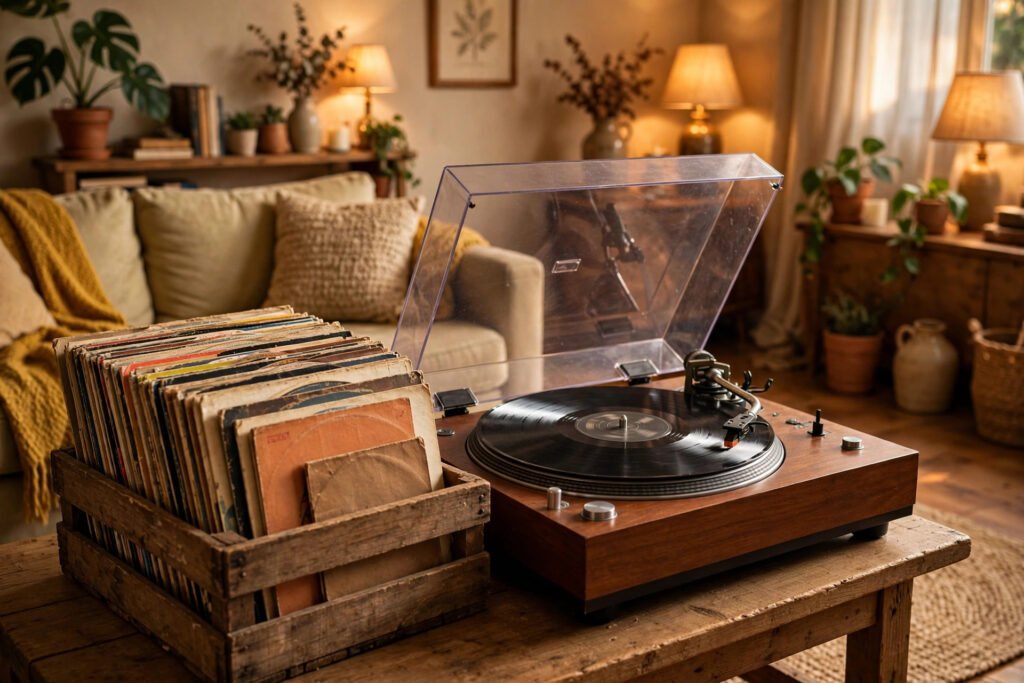
Starting a vinyl record collection on a budget is one of the most rewarding hobbies I know — and one of the easiest to overspend on if you’re not careful. New vinyl is expensive (£25–£35 an album now), and the hobby has a way of separating enthusiasts from their money. But it doesn’t have to. I’ve built a 300-record collection over five years, mostly second-hand, for less than some people spend on a single year’s streaming subscriptions. Here’s how.
The Turntable: What You Actually Need
Let’s kill the biggest myth first: you don’t need a £500 turntable. You need something that won’t damage your records and sounds decent. The rules:
- Avoid the ultra-cheap all-in-one suitcase players. The tracking force on their tonearms is brutal — they genuinely wear records out faster. This is the one place not to economise.
- The budget sweet spot is £120–£200: entry-level decks from Audio-Technica (the AT-LP60X), Rega’s used market, or Pro-Ject’s starter models. All sound good and treat records kindly.
- Buy used: turntables are simple machines; a serviced second-hand Rega Planar or Technics from a reputable dealer beats any new budget deck. Check local hi-fi shops — many sell serviced used stock with warranties.
- You’ll need speakers: powered (active) speakers are the simple route — no separate amplifier needed. Budget £80–£150 for something decent.
Total realistic starter setup: £200–£350. It’s an investment, but it lasts decades — my main deck is older than I am.
How to Start a Vinyl Record Collection on a Budget: Buying Cheap Records
- Charity shops: the holy grail. Records at £1–£3, and the stock rotates constantly. The classical and easy-listening sections hide jazz and rock gems misfiled by volunteers. Visit regularly — the good stuff goes fast.
- Car boot sales: haggle politely; bulk deals (“£10 for the box”) are common late in the day when sellers want rid.
- Discogs: the global marketplace — filter by UK sellers, “Very Good+” grading minimum, and sort by price. Media mail… well, Royal Mail rates; factor postage into the price.
- Record fairs: the £1–£5 boxes are where budget collectors live. Arrive early for the best stock, late for the best deals.
- eBay job lots: “collection clearance” listings often go cheap — you’ll get duds, but the keepers-per-pound ratio is excellent.
- Your parents’ attic: seriously. Ask. An entire generation’s collections are sitting in lofts, and the owners are often delighted to pass them on.
Grading: Don’t Get Burned
Learn the Goldmine grading scale — it’s the universal language: Mint, Near Mint, Very Good+, Very Good, Good, Fair, Poor. The critical insight: “Good” in record grading means bad — it’s the grade where surface noise is constant. For listening copies, buy VG+ or better; VG is acceptable for rare or cheap records. Always check the seller’s description of both the vinyl and the sleeve, and on Discogs buy from sellers with 99%+ feedback. In person, inspect under good light: light scuffs are fine, deep scratches and warps are not.
Caring for Your Records (Protect the Investment)
- Inner sleeves: replace paper inners with anti-static ones (£15 for 50) — the single best upgrade for record longevity.
- Clean before playing: a carbon-fibre brush (£10) before every play removes the dust that causes crackle and wear.
- Handle by the edges: fingerprints etch into vinyl over time. Edges and label only.
- Store upright, never stacked: stacked records warp. Upright, snug but not tight, away from heat and sunlight.
- Deep clean finds: charity-shop records often need a proper wash — a spin-clean bath (£60–£80) pays for itself if you buy used regularly.
For the listening experience, our guide to getting the most from Spotify covers the digital complement — most collectors stream for discovery and save vinyl for the albums they love. The BBC’s music pages track new releases worth hunting down.
What to Buy First: Building the Foundation
The first ten records set the tone — buy the albums you already love, not what collectors tell you to want. The “essential” lists are for other people; your collection should be yours. That said, some practical guidance: buy the records of bands you’ve seen live — the association makes every play richer (see our live gigs guide for finding more of those nights). Prioritise albums over compilations — the full album experience is what vinyl is for. Don’t chase rarities yet — the £1 charity-shop copy of a classic you love beats the £40 Discogs rarity you feel lukewarm about. One in, one out (eventually): collections grow; shelf space doesn’t. Be honest about what you actually play. And play them — the sealed collector’s mentality misses the point. Records are for listening, not for appreciating in shrink-wrap. The best collection isn’t the biggest or the rarest; it’s the one that’s worn from love.
Vinyl and Streaming: Better Together
The vinyl-vs-streaming debate is a false war — the smart collector uses both. Stream for discovery: our Spotify guide covers getting the most from the platform — use it to explore, to preview, to find what you love. Buy vinyl for the keepers: the albums you’d rescue from a fire, the ones that deserve the ritual — the sleeve, the side break, the focused listen. The economics work: streaming’s monthly cost covers infinite exploration; vinyl spending goes only to the proven favourites. This is how you build a collection on a budget without the FOMO purchases — everything you buy, you’ve already lived with digitally and loved. And some things are vinyl-only pleasures: the big artwork, the liner notes, the enforced attention of a side that can’t be skipped. Different formats for different moods; no loyalty tests required.
Record Weight and Other Myths
The vinyl world is full of received wisdom worth questioning. 180g vinyl sounds better? Not necessarily — the weight affects durability and warp-resistance, not sound quality; a well-pressed 120g record beats a badly-pressed 180g one every time. Original pressings are always best? Often true for 60s/70s records, but modern remasters from the original tapes can be superb — and far cheaper. Coloured vinyl sounds worse? Mostly myth with modern pressing plants, though black remains the safest bet. You need to spend thousands? The biggest sound upgrade after a decent deck is speaker placement (free) and room position (free). Don’t let the myths gatekeep you: a £150 used deck, sensibly placed speakers, and clean records will sound wonderful. The hobby is about music, not equipment anxiety.
The takeaway: spend the money on the turntable (not the suitcase player), buy records cheap and often from charity shops and fairs, grade VG+ or better, and clean everything. The hunt is half the hobby — enjoy it.








1 thought on “How to Start a Vinyl Record Collection on a Budget”