
How to Get Around Rome Using Public Transport
Get around Rome using public transport: tickets, the metro, bus survival tips, key routes and the Roma Pass maths. €7/day unlimited.
Rome’s public transport is… characterful. The metro has three lines (one barely counts), the buses are an adventure, and the trams are charmingly vintage. But it’s cheap, it works, and with a little knowledge you’ll navigate the Eternal City like a local. Here’s how to get around Rome using public transport.
The system: metro, bus, tram
- Metro: Line A (orange) and Line B (blue) do the heavy lifting — they cross at Termini. Line C is partially open and less useful for tourists. The metro is fast, cheap and air-conditioned — use it for the longer hops (Vatican to Termini, Termini to Piramide).
- Buses: the real network — 300+ routes covering everywhere the metro doesn’t. Numbers to know: the 64 (Termini–Vatican, famously pickpocketed — be alert), the 40 (express Termini–Vatican), the 8 tram (actually a tram — Trastevere to the centre, very useful).
- Trams: lines 2, 3, 5, 8, 14, 19 — the 8 (Trastevere–Piazza Venezia) and 19 (Vatican area loop) are the tourist-useful ones.
- Walking: the historic centre (Colosseum to Vatican) is walkable in 45–60 minutes — and walking is the sightseeing. Most visitors over-use transport; the best of Rome is between the stops.
How to get around Rome using public transport
Tickets: the essentials
- BIT (€1.50): 100 minutes, all transport — the standard single. Buy before boarding — from tabacchi (tobacco shops), newsstands, metro stations, or the Mooney/ATAC app.
- 24h (€7), 48h (€12.50), 72h (€18), weekly CIS (€24): the tourist passes. The 48h or 72h usually wins for a city break — do the maths on your planned journeys.
- Validate: stamp paper tickets in the machines on buses/trams and at metro gates. Unvalidated = fine (€50–€100 on the spot, and inspectors do check tourists).
- Contactless: tap-in/tap-out with bank cards now works on metro gates and increasingly on buses — the easiest option. Use the same card for daily fare capping.
Key routes for visitors
- Airport → centre: the Leonardo Express (€14, 32 min, Termini non-stop) is the fast option; the FL1 regional train (€8, ~50 min, stops at Trastevere/Ostiense/Tiburtina — not Termini) is the budget option. Taxis are fixed-fare €50 to the centre (official white taxis only — agree the fixed fare first). Our Paris spending guide‘s airport-transfer logic applies here too.
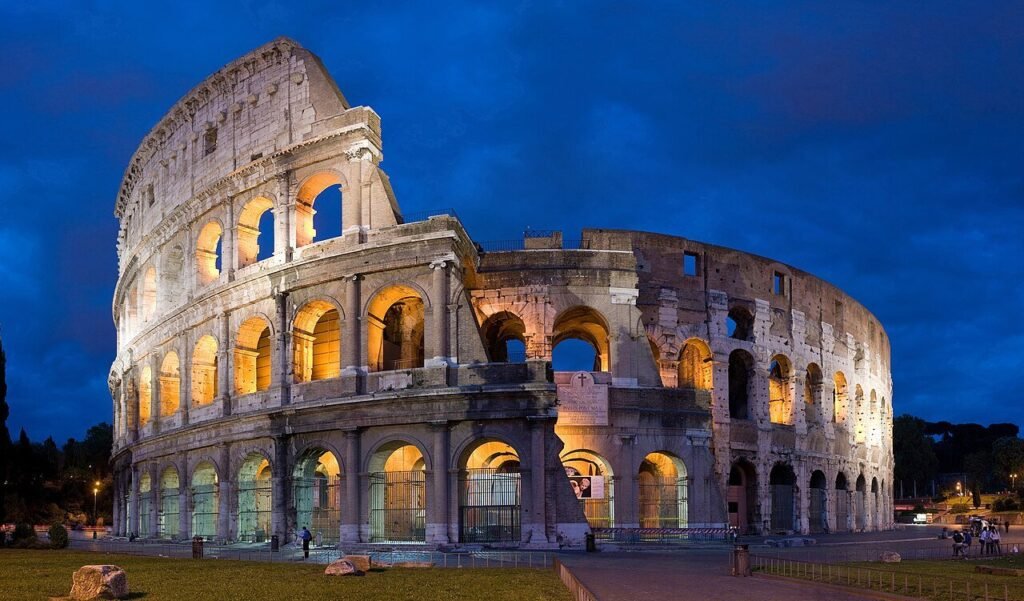
- Colosseum area: Metro B to Colosseo — the station exit frames the monument perfectly (the money photo).
- Vatican: Metro A to Ottaviano (10-min walk) or Cipro; bus 40/64 from Termini. Go early — the queue logic from every Rome guide applies.
- Trastevere: tram 8 from Piazza Venezia, or walk across the Tiber from the centre (15 min from Campo de’ Fiori).
- Appian Way: bus 118 from Piramide (Metro B) — the ancient road, catacombs and aqueducts, mercifully crowd-free.
Buses: survival guide
Roman buses are notorious — late, crowded, occasionally strike-bound. Tactics: use the Moovit or Citymapper app (real-time tracking transforms the experience), avoid rush hour (8–9:30am, 6–8pm — sardine conditions), have exact ticket situations sorted (drivers don’t sell tickets), and beware pickpockets on the 64 and crowded routes — front pockets, zipped bags, hand on valuables. The buses do go everywhere; patience is the fare.
When NOT to use public transport
- The historic centre on foot: Piazza Navona to the Pantheon to Trevi to the Spanish Steps is a 25-minute walk — a bus would take longer.
- Late night: metro closes ~11:30pm (1:30am Fridays/Saturdays); night buses (N-prefixed) exist but are sparse — budget for a taxi after midnight (€15–€25 central).
- Strike days: announced in advance (check ATAC); the metro usually runs reduced service, buses vanish. Walk or taxi on strike days.
- To the cruise port (Civitavecchia): the train from Termini/Ostiense (€5–€15, 45–80 min) — not a taxi (€120+).
Rome transport FAQs
Is the Roma Pass worth it? The 48h (€36.50) includes transport + 1 free museum + discounts; the 72h (€58.50) + 2 free museums. Worth it if you’re doing the Colosseum/Vatican Museums/Borghese anyway — do the maths on your itinerary. Otherwise, contactless tap-in is simpler.
How do I avoid pickpockets? The 64 bus, Termini station, the metro at rush hour, and crowded tourist sites are the hotspots. Money belt or neck pouch for the bulk; a decoy wallet with a day’s cash; nothing in back pockets; bags zipped and in front. Alert, not paranoid.
Are taxis safe? Official white taxis with meters are fine — the €50 fixed fare covers central Rome to/from the airports (confirm before departing). Avoid touts at Termini and the airport offering “taxi?” — walk to the official rank.
Can I cycle in Rome? The centre’s cobbles and traffic make cycling… exciting. E-bike tours (€40–€60) with guides are the safe way to do it — the Appian Way by bike is genuinely wonderful.
The Roma Pass: doing the maths
The Roma Pass 48h (€36.50) covers all transport + one free museum + discounts; the 72h (€58.50) adds a second free museum. Worth it if: you’re doing the Colosseum (€24) + one more paid site + using transport plenty — the 48h pass then saves ~€10 and skips the Colosseum queue. Not worth it if: you’re mostly walking and doing free sights. The honest assessment: for the classic 3-day first-timer itinerary (Colosseum, Vatican Museums, Borghese), the 72h pass pays for itself. For the wander-and-discover trip, contactless tap-in is simpler and cheaper. Do the 60-second maths on your itinerary before buying.
The takeaway
Getting around Rome on public transport means: contactless or a 48/72h pass, the metro for long hops, buses (with real-time apps) for the rest, walking for the historic centre, and validated tickets always. It’s €7 a day for unlimited travel in one of the world’s great cities — the best transport bargain in Western Europe. Learn the key routes, download Citymapper, and embrace the chaos: Roman buses are an adventure, but they’re your adventure. Just keep a hand on your wallet on the 64, and enjoy every ride. Rome’s transport quirks become part of the story — the bus that finally came, the tram with the opera singer, the metro dash. Buon viaggio.







1 thought on “How to Get Around Rome Using Public Transport”