
What to Do If Your Flight Is Cancelled in the UK
What to do if your flight is cancelled in the UK — your rights to refunds, rerouting and compensation under UK261, plus exactly what to say at the desk.
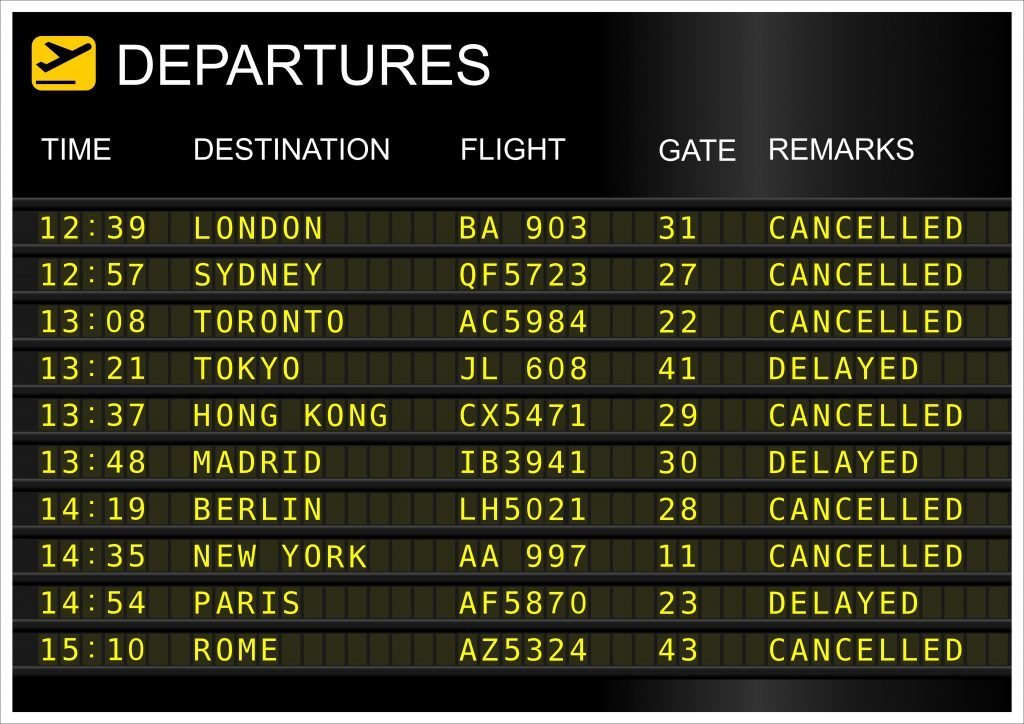
The departure board flips to red. CANCELLED. Your stomach drops, the people around you start muttering, and someone near the desk is already raising their voice. It’s a miserable moment — but here’s the thing most passengers don’t realise: when your flight is cancelled in the UK, the law is firmly on your side. You have rights most people never claim, worth hundreds of pounds.
I’ve been through this three times — once in a snowstorm at Gatwick, once thanks to an airline IT meltdown, once for reasons nobody ever explained. Here’s exactly what to do if your flight is cancelled in the UK, in the order that gets you home fastest and compensated most.
What should you do if your flight is cancelled in the UK: the first 30 minutes
Step one: don’t join the rebooking queue yet. While everyone else stands in line, get on your phone. Check the airline’s app — rebooking options often appear there before the desk staff can process them. Simultaneously check alternative flights yourself: other airlines, nearby airports, even trains for domestic routes. Knowledge is leverage.
Step two: know your two fundamental rights before you speak to anyone. Under UK261 (the UK’s version of the EU regulation), when your flight is cancelled you are entitled to choose between a full refund of your ticket OR rerouting to your destination at the earliest opportunity — on any airline, not just the one that cancelled. The airline must also look after you while you wait: meals, refreshments, hotel if overnight, and transport. This ‘duty of care’ applies regardless of why the flight was cancelled.
- Check the airline app first — rebooking often appears there before the desk.
- You choose: full refund OR rerouting at the earliest opportunity (any airline).
- Meals, hotel and transport while you wait are the airline’s duty, whatever the cause.
Refunds, rerouting and what to insist on
Be specific about what you want. If you still need to travel, say: ‘I want rerouting at the earliest opportunity under UK261.’ The airline may offer a flight two days later; if another airline has seats tonight, they should book you on it — though you may have to push. If the trip is now pointless (a cancelled outbound for a weekend break), take the refund: you’re entitled to the full ticket cost back within seven days, plus a return flight home if you’re already mid-journey.
Get everything in writing. Screenshot the cancellation notice, keep boarding passes, and if staff make promises at the desk, ask for names. If they refuse rerouting or care, you’ll need this paper trail. The CAA’s advice on passenger rights when flights are disrupted is worth bookmarking on your phone before you ever need it.
Compensation: the money most people leave behind
Beyond refunds and care, you may be owed fixed compensation: £220 for short-haul, £350 for medium-haul, £520 for long-haul — per passenger, including children. The key conditions: the cancellation was the airline’s fault (not ‘extraordinary circumstances’ like extreme weather or air traffic control strikes), and you were told less than 14 days before departure.
Airlines routinely reject valid claims hoping you’ll go away. Don’t. If the airline says no, escalate: use an approved Alternative Dispute Resolution (ADR) scheme if the airline is a member, or the CAA’s Passenger Advice and Complaints Team if not. Claims can be made for cancellations up to six years ago in England and Wales. I’ve claimed twice; both paid out after one escalation letter. It works.
- £220 / £350 / £520 per passenger depending on flight distance.
- Payable when it’s the airline’s fault and you had under 14 days’ notice.
- Rejected? Escalate via ADR or the CAA — and claims go back six years.
If you’re stranded: hotels, food and receipts
If the airline can’t fly you out until tomorrow, they owe you a hotel and transport to it. In practice, during mass disruption the airline’s hotel allocation runs out fast. Don’t wait: book your own reasonable hotel, keep every receipt, and claim it back. ‘Reasonable’ is the operative word — a clean mid-range hotel near the airport, not the Ritz. Same for meals: keep receipts for sensible food and drink.
Screenshot everything: the cancellation, any rebooking offers, the time you spent waiting. If you buy essentials because your bag is in the hold of a cancelled plane (toothbrush, chargers, clean shirt), keep those receipts too — they’re claimable as consequential costs. Organisation at the moment of chaos is what turns a bad day into a compensated one.
Preventing the pain next time
You can’t prevent cancellations, but you can blunt them. Book the first flight of the day when it matters — early flights are statistically least likely to be cancelled, and if they are, you have the whole day’s alternatives ahead of you. Leave buffer time before unmissable events (weddings, cruises): never fly in the same day. And buy travel insurance when you book, covering scheduled airline failure and disruption — it’s cheap and it pays for the things the airline won’t.
Also: if you’re booking Christmas flights or any peak-season trip, build in a day’s slack at both ends. Christmas weather cancels flights every single year; the travellers who cope are the ones who planned for it. And keep medication accessible — if you’re travelling with medication, a cancellation is exactly why it stays in your hand luggage.
- Fly early in the day; never fly in same-day for unmissable events.
- Buy travel insurance at booking, not at the airport.
- Build buffer days into peak-season trips — Christmas chaos is annual.
A cancelled flight feels like the airline holds all the cards. It doesn’t — UK261 puts you in a far stronger position than most passengers realise, with rerouting rights, a duty of care and compensation worth hundreds. Stay calm, know the magic words (‘rerouting at the earliest opportunity under UK261’), keep every receipt, and claim what’s yours. The red departure board is the start of the process, not the end of your trip. One more right that surprises people: if you are rerouted and arrive significantly late, or an overnight stranding forces you to arrange your own hotel, keep receipts for everything reasonable — the hotel, meals, transport, phone calls and any essentials you had to buy. Claim these from the airline first under their duty of care, and put anything refused to your travel insurance. Photograph every receipt immediately, because thermal paper fades and a faded receipt is a rejected claim. Organised passengers get paid; disorganised ones end up subsidising the airline.






