How Long Does It Take to Buy a House in the UK?
How long to buy a house in the UK? The honest 12–16 week timeline stage by stage, what slows purchases down and the speed playbook for faster completion.
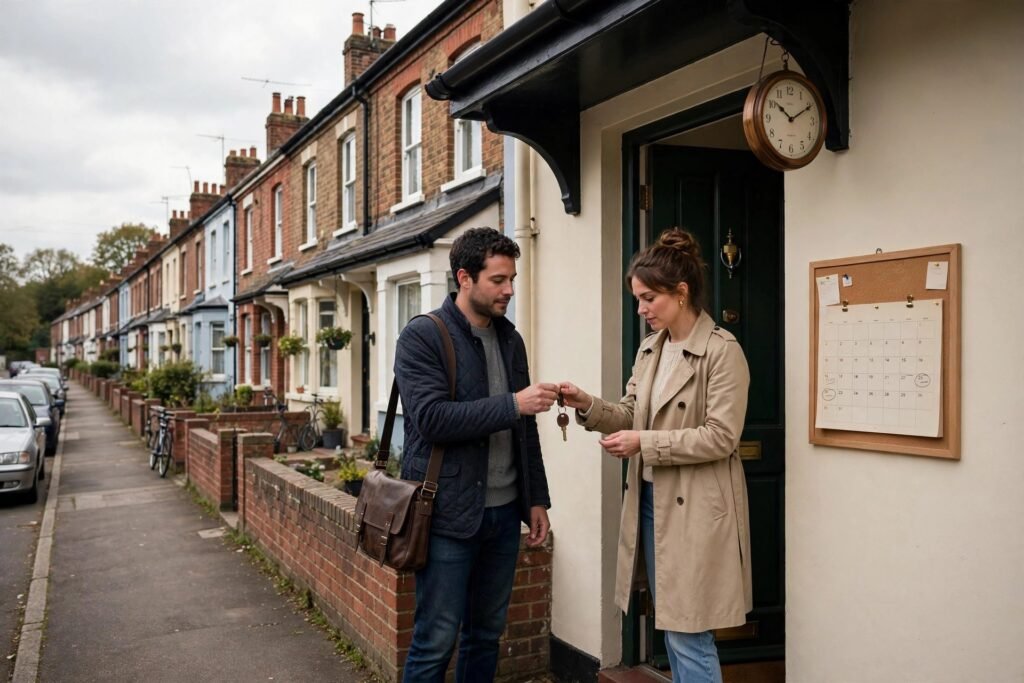
“We’ve had an offer accepted!” — and then nothing happens for four months. Buying a house in the UK is a marathon disguised as a sprint: the exciting part takes a weekend, and the conveyancing takes a season. On average, buying a UK home takes 12–16 weeks from offer acceptance to completion — but that average hides enormous variation, from 6-week lightning purchases to 9-month chain sagas. Here’s what each stage really takes, what slows things down, and how to speed up your own purchase.
The Honest Timeline, Stage by Stage
Weeks 0–2: Offer to solicitor instruction
Offer accepted, mortgage decision in principle secured (do this before offering), solicitor instructed, estate agent’s memorandum of sale circulated. This stage takes days if you’re organised, weeks if you’re choosing a solicitor from scratch after the offer. Speed tip: research solicitors before you offer — have one ready to instruct the day of acceptance.
Weeks 2–6: Searches, survey and mortgage offer
Your solicitor orders local authority searches (the great variable — some councils return them in days, others take 6–8 weeks), drainage and environmental searches. Meanwhile your survey happens and the lender conducts its valuation. The formal mortgage offer typically lands 2–6 weeks after application, assuming clean paperwork. Speed tip: respond to every solicitor and lender query within 24 hours. Most delays are buyers sitting on emails.
Weeks 6–12: Enquiries and chain wrangling
The solicitor raises enquiries on the seller’s paperwork; the seller’s solicitor responds at the speed of their slowest link. This is where chains bite — your purchase depends on your seller’s purchase, which depends on theirs. Each link adds potential delay: a four-property chain has four solicitors, four lenders and four sets of enquiries that must all align. Speed tip: there’s little you can directly control here except chasing politely and weekly — but choosing chain-free properties (probate, new-build, first-time seller who’s renting) sidesteps it entirely.
Weeks 12–16: Exchange to completion
Once enquiries are satisfied and everyone’s ready, contracts exchange — now it’s legally binding, deposits move, and completion is typically set 1–4 weeks later (often 2). Completion day: money transfers, keys release, you own a house. Our checklist of what to check before buying a Victorian terrace house details what to look for before you even reach this stage.
What Slows Everything Down
- Chains: the single biggest factor. Each additional link multiplies delay risk. Chain-free purchases routinely complete in 6–10 weeks.
- Slow solicitors: conveyancing is a volume business; some firms sit on files. Check reviews specifically mentioning speed, and avoid the cheapest quote — it’s cheap for a reason.
- Local authority searches: wildly variable by council. Your solicitor can sometimes use private search companies or indemnity insurance to bypass the slowest.
- Leasehold complications: flats add management packs, lease extensions, service charge queries — routinely adding 4–8 weeks versus freehold.
- Mortgage delays: incomplete applications, valuation down-valuations, additional underwriting queries. Submit a complete, honest application first time.
- Survey surprises: damp, subsidence, roof issues trigger renegotiation or specialist reports — necessary, but slow. Budget time and money for the full cost picture (including stamp duty at current thresholds) so renegotiations don’t stall.
- Probate sales: waiting for grant of probate can add months before the process even starts.
How to Buy Faster: The Buyer’s Speed Playbook
- Get your mortgage decision in principle before viewing. Sellers take you seriously; lenders move faster later.
- Instruct a solicitor on offer day. Not next week. Day.
- Have all documents ready: ID, proof of address, 3–6 months of bank statements, payslips, deposit source evidence. Lenders and solicitors ask for these; having them instantly saves weeks of back-and-forth.
- Respond same-day to everything. The fastest buyers treat conveyancing emails like urgent messages. Most delays are dead time waiting on someone — don’t be that someone.
- Chase weekly, politely. A brief Monday email to your solicitor (“any updates needed from me?”) keeps your file at the top of the pile without becoming the client they dread.
- Consider a no-chain property. New-builds, probate sales and investor disposals cut the biggest delay factor entirely.
- Be flexible on completion dates. Rigidity (“must complete on the 30th”) causes collapses; flexibility keeps chains together.
If you’re later looking to move again or improve your deal, remortgaging (typically 4–8 weeks) is a much faster refinancing process than buying.
Special Cases: Faster and Slower
- Cash buyers, no chain: 4–6 weeks is realistic. Searches and legal work are the only constraints.
- New-build: often 4–8 weeks to exchange (developers push hard), though completion waits for build finish.
- Auction: 28 days to completion — blistering, but you do all homework before bidding.
- Leasehold flat in a long chain: 20–30+ weeks is not unusual. Price this into your planning and patience.
- Scotland: different system (offers over, concluded missives) — typically faster to a binding contract, often 6–8 weeks total.
MoneyHelper and GOV.UK publish current process guidance, and Which? Money tracks real-world timelines.
What to Do While You Wait
The conveyancing months feel like dead time, but smart buyers use them. Arrange buildings and contents insurance quotes (you’ll need buildings cover from exchange). Start the practical moving plan: declutter and organise your home now so you’re not paying to move junk, research removal firms and get quotes, notify your employer of moving-day leave, and set up mail redirection. If you’re renting, time your notice carefully — most tenancies need a month or more, and you don’t want to pay double rent or end up homeless between dates. Use the wait to build your post-completion cash buffer too: the first months of homeownership reliably produce surprise costs, from a broken boiler to furniture gaps. Buyers who arrive at completion organised, insured and buffered start homeownership calm instead of chaotic.
Conclusion
Expect 12–16 weeks from offer to keys for a typical English purchase — faster if you’re chain-free and organised, slower if leasehold or in a long chain. You can’t control the chain, the council or the seller’s solicitor, but you control your responsiveness, your solicitor choice and your paperwork readiness. In conveyancing, the fastest buyers aren’t the pushiest — they’re the most prepared. Get your documents ready before you offer, chase weekly, and your purchase will be among the quick ones — and you’ll spend the waiting time planning the move rather than worrying about it.
Frequently Asked Questions
How long does it take to buy a house in the UK on average?
12–16 weeks from offer acceptance to completion is typical in England and Wales. Chain-free cash purchases can complete in 4–6 weeks; leasehold flats in long chains can take 20–30+ weeks.
What is the longest part of buying a house?
The conveyancing enquiry stage (weeks 6–12) — solicitors exchanging questions, searches returning, and chain coordination. Local authority searches and slow solicitors are the most common bottlenecks.
Can I speed up buying a house?
Yes: get a mortgage decision in principle before offering, instruct a solicitor on offer day, prepare all documents in advance, respond to queries same-day, chase weekly, and consider chain-free properties.
Why do house purchases fall through?
Common causes: chain collapse, mortgage refusal or down-valuation, adverse survey findings, gazumping/gazundering, and slow progress causing parties to lose patience. About a third of English sales fall through before exchange.
How long does remortgaging take compared to buying?
Remortgaging is much faster — typically 4–8 weeks — since there’s no chain, no seller and simpler legal work. It’s essentially a financial transaction rather than a property purchase.