Best Time of Year to Sell a House in Britain
The best time of year to sell a house in Britain: seasonal data, why winter is underrated, matching timing to property type and preparation that beats timing.
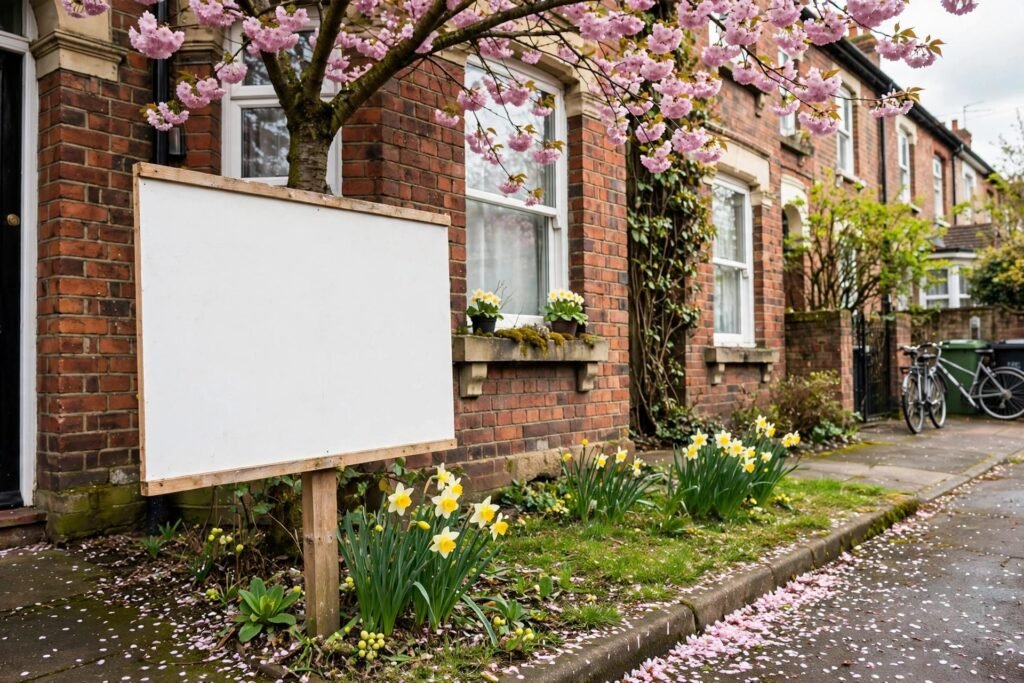
Conventional wisdom says spring is the best time to sell — gardens in bloom, light evenings, families hunting before the school year. And the data broadly agrees. But “broadly” hides important nuances: the best month varies by property type, the winter market has hidden advantages, and timing your sale badly can cost you thousands. Here’s what the evidence actually shows about selling in Britain.
The Seasonal Data: What the Numbers Say
Spring (March–May) consistently sees the strongest buyer demand and the highest achieved prices in most UK regions. More buyers are searching, gardens look their best, and the psychological effect of light and growth is real — properties photograph better and viewings feel more positive. March is typically the single busiest month for new listings, which means maximum exposure but also maximum competition.
Early autumn (September–October) is the second peak. Families are settled after summer, the pre-Christmas rush creates urgency, and serious buyers who missed spring return motivated. September often matches spring for achieved prices in many markets.
Summer (June–August) is mixed. July can be strong, but August is notoriously slow — buyers are on holiday, agents are short-staffed, and chains stall. Listing in August often means launching to an empty room.
Winter (November–February) has the fewest buyers but also the fewest sellers. December is the quietest month; January sees the famous Boxing Day browsing surge (Rightmove records its busiest days between Christmas and New Year) as buyers plan spring moves.
Why Winter Selling Is Underrated
Here’s the contrarian case: winter buyers are serious. Nobody browses properties in January for fun — the casual viewers stay home, leaving motivated buyers with genuine intent. Less competition means your property stands out rather than drowning among fifty spring listings. And motivated winter buyers often pay well to secure a home before spring competition arrives.
Winter viewings need staging adjustments: lights on before every viewing (a dark house at 4pm feels depressing), heating at comfortable levels (a cold house triggers subconscious rejection), and emphasising cosiness — fireplaces lit, warm lighting, the home as refuge from the weather. A well-presented winter property can feel more emotionally compelling than a spring one.
Matching Timing to Property Type
Family homes: spring is genuinely optimal. Family buyers plan around school years, want summer to settle before September, and value gardens highly. List in March–April for the strongest family-buyer pool.
Flats and first-time-buyer properties: less seasonal. First-time buyers search year-round, driven by personal circumstances (rent increases, relationships, savings milestones) rather than school calendars. Good presentation matters more than month.
Rural and lifestyle properties: spring and early summer, when land looks its best and the lifestyle dream is most vivid. Nobody falls in love with five acres of mud in February.
City-centre investments: driven by rental yields and investor logic, which is largely seasonal-independent. List when the numbers work, not when the daffodils bloom.
The Chain Factor: Timing Beyond Your Front Door
Your sale doesn’t happen in isolation — it’s usually part of a chain, and chains move at the speed of their slowest link. Spring’s high transaction volumes mean conveyancers and surveyors are stretched, potentially slowing your purchase even as your sale speeds up. Winter’s quieter professionals may process your chain faster. Factor the whole move, not just your sale, into timing decisions.
If you’re buying as well as selling, consider the GOV.UK selling guide for the procedural timeline, and remember that your onward purchase timing matters as much as your sale — selling high in spring means buying high in spring too, unless you’re moving to a cheaper area or renting temporarily.
Preparation Beats Timing
The uncomfortable truth: presentation and pricing outweigh seasonality. A well-presented, correctly priced property sells in any month; an overpriced, poorly presented one languishes even in April. Before worrying about when, ensure what is right: decluttered, deep-cleaned, minor repairs done, garden tidy, and priced against actual sold prices — not aspirational asking prices. And address the practical issues buyers’ surveys flag — from the cost of replacing guttering to the cost of rewiring a house, knowing the numbers helps you budget the repairs that protect your sale price.
Also consider your EPC rating before listing — check it on GOV.UK — since buyers increasingly filter by energy efficiency, and a poor rating in any season is a handicap.
Regional Variations: London vs the North vs Rural
Seasonality isn’t uniform across Britain. London’s market is the least seasonal — international buyers, investors and the sheer volume of transactions smooth the peaks, though spring still leads. Northern cities (Manchester, Leeds, Newcastle) show stronger spring/autumn patterns with quieter winters, as local buyers dominate. Rural markets are the most seasonal — country properties with land sell dramatically better in spring and early summer when the setting looks its best, and can languish unsold through winter. Coastal and holiday areas peak in late spring as buyers imagine summer by the sea. Know your market’s rhythm: ask local agents not just “when’s best?” but “when do properties like mine sell fastest here?” — the answer varies more than national statistics suggest.
The Bottom Line
Spring (March–May) is the statistical sweet spot for most sellers, with early autumn a strong second — but the advantage is measured in weeks on market and modest price uplifts, not transformational differences. Winter selling suits motivated sellers with well-presented homes facing less competition. Far more important than month: correct pricing against sold data, excellent presentation, and good photographs. Time the market by all means — but don’t let waiting for spring delay a sale that good preparation would complete by Christmas.
Frequently Asked Questions
What is the single best month to sell a house in the UK?
March–April statistically shows the strongest combination of buyer demand and achieved prices for most property types and regions. But regional variation exists, and the difference between the best and average months is smaller than presentation and pricing effects.
Should I avoid selling at Christmas?
Mid-December to early January is the quietest period — but the Boxing Day browsing surge means listings launched in late December catch the year’s biggest wave of buyer interest. Launching between Christmas and New Year, rather than waiting for spring, is a legitimate strategy.
Does the time of year affect house prices?
Modestly. Seasonal price variation in the UK is typically 1–3% — real, but dwarfed by the effects of correct pricing (5–10% swings from overpricing) and presentation. Don’t overthink seasonality at the expense of fundamentals.
How long should I wait for the “right” season?
Rarely more than a few weeks. Delaying a sale by four months to hit spring costs you four months of mortgage payments, maintenance and market risk — usually more than the seasonal uplift. If your property is ready now, list now, unless you’re within weeks of the spring window.
Should I use one estate agent or several?
One good agent (sole agency) usually outperforms several — agents prioritise sole-agency properties because the commission is guaranteed, marketing is more coordinated, and buyers aren’t confused by duplicate listings at different prices. Multi-agency can work in slow markets, but you’ll pay higher commission rates. Choose the agent on marketing quality and local sold prices, not the lowest fee or highest valuation.