How Long Does a Lip Piercing Take to Heal? (2026 UK Guide)
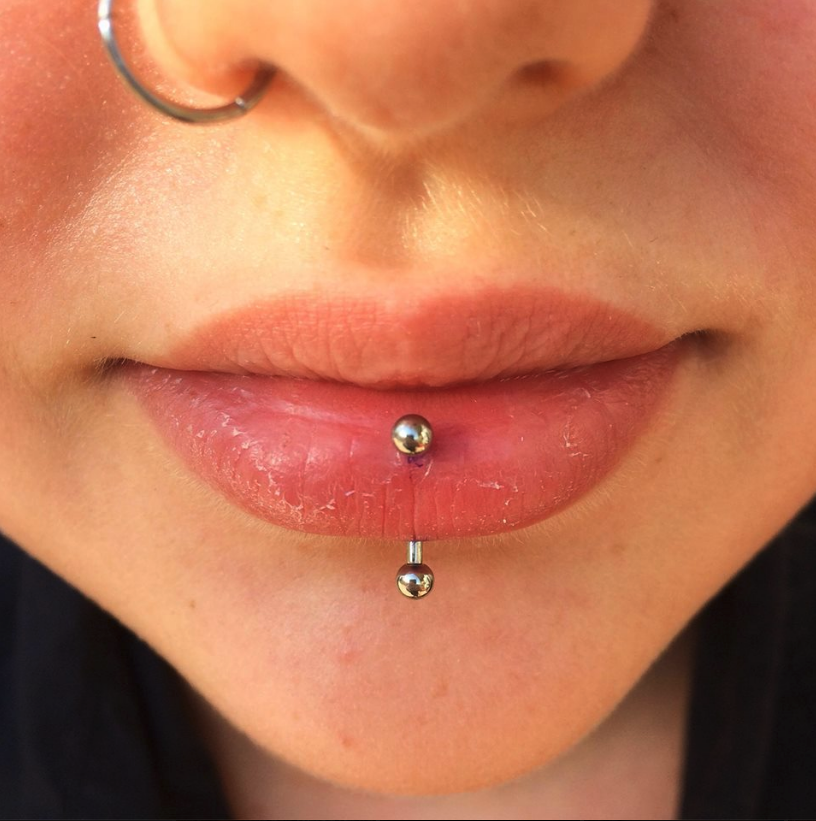
Quick Answer: A lip piercing usually takes 6 to 10 weeks to heal fully. The outer swelling goes down within 1 to 2 weeks, but the inside of the piercing needs the full 6 to 10 weeks to settle properly. Labret piercings (below the lower lip) tend to heal at the faster end, while vertical labrets and snakebites can take a little longer.
Getting a lip piercing is one of the quicker piercings to heal, but it’s also one of the fussiest — it’s in your mouth, which means food, saliva, talking, and kissing all complicate things. Here’s the full timeline so you know exactly what to expect.
Healing Stages: What Happens Week by Week
Weeks 1 to 2: Swelling and tenderness
This is the most annoying phase. Your lip will swell — sometimes a lot — and feel tight and sore. Eating anything crunchy or spicy is a mistake you’ll only make once. Stick to soft foods, ice chips, and patience. This is completely normal.
Weeks 3 to 4: Looking better, still healing
The visible swelling has mostly gone down. Your lip feels almost normal again, but the piercing channel inside is still fragile. This is the dangerous phase — everything *looks* fine, so people stop being careful. Don’t.
Weeks 5 to 10: Fully healing
The inside of the piercing is still settling and strengthening. By around week 6 to 10, most lip piercings are properly healed and your piercer can downsize your bar and let you change the jewellery.
Healing Times by Piercing Type
- Labret (below the lower lip): 6 to 8 weeks
- Monroe / Madonna (above the upper lip): 6 to 8 weeks
- Snakebites (two labrets): 8 to 10 weeks — two wounds means more work for your body
- Vertical labret: 8 to 10 weeks — passes through the lip tissue itself
- Medusa / philtrum: 6 to 8 weeks
These are averages. Some people heal in 5 weeks, others need a full 10. Your immune system, lifestyle, and aftercare all play a part.
Aftercare: What Actually Works
Lip piercing aftercare is simple but needs discipline. Here’s what your piercer will tell you (and what you should actually follow):
- Rinse with alcohol-free mouthwash after every meal and before bed — this is the single most important thing
- Soak the outside with sterile saline solution twice a day (you can buy saline wound wash from any UK pharmacy)
- Don’t touch it — wash your hands first if you absolutely must adjust the jewellery
- Sleep on your back for the first couple of weeks if you can
- Avoid smoking, alcohol, and kissing for at least the first week — ideally two
What to avoid while healing
- Spicy, acidic, or crunchy food — eat carefully and cut food small
- Alcohol-based mouthwash — it’ll sting and irritate the wound
- Changing the jewellery early — wait until your piercer gives the all-clear
- Playing with the piercing — clicking it against your teeth can chip enamel over time
- Swimming — avoid pools, hot tubs, and the sea for at least 4 weeks
The Downsizing Appointment
This part catches people out. Your piercer will fit you with a longer bar at first to allow for swelling. Once the swelling is gone (usually at the 4 to 6 week mark), you need to go back and have it swapped for a shorter bar.
Don’t skip this. A bar that’s too long lets the piercing move around too much, which irritates the hole, can embed in your lip, and can seriously damage your gums and teeth from the inside.
Safety Disclaimer
Always get pierced by a professional, reputable piercer — not a friend with a needle, and not a high-street shop that uses piercing guns on cartilage. A good UK studio should be registered with the local council, use single-use sterile needles, and walk you through aftercare before you leave.
If you’re prone to keloid scarring, have diabetes or a blood condition, or take blood-thinning medication, talk to your doctor first. Pregnant people are usually advised to wait. And if you develop signs of infection — spreading redness, yellow/green discharge, increasing pain, or a fever — see your piercer first, then your GP if it doesn’t improve. Don’t remove the jewellery if you suspect infection; that can trap the infection inside.
UK Cost Guide
- Standard lip piercing (labret, Monroe, Medusa): £35 to £55
- Snakebites (two piercings): £60 to £90
- Vertical labret: £40 to £60
- Downsizing appointment: often included, or £10 to £20 for the new bar
Prices are higher in London than elsewhere in the UK. Always choose a studio based on hygiene and reputation, not price.
FAQ
Can I eat normally with a new lip piercing?
Not at first. Stick to soft, lukewarm foods for the first week — porridge, soup, pasta, smoothies. Cut food into small pieces, chew carefully on the opposite side, and rinse with mouthwash afterwards.
When can I change my lip piercing jewellery?
Wait until your piercer says it’s fully healed — usually 6 to 10 weeks. Changing it too early can tear the fresh channel and set healing back to day one.
Will a lip piercing damage my teeth?
It can, if the jewellery is too long or you habitually click it against your teeth. Getting the bar downsized on time and choosing a quality flat-back labret minimises the risk. Some wear and tear on gums is possible long-term, so keep up dental check-ups.
Can I kiss with a new lip piercing?
Wait at least a week, ideally two. Saliva carries bacteria, and a healing piercing is an open wound. Once healed, you’re fine — just be gentle with the other person’s mouth too.