How Long Does Henna Take to Dry? A Complete Guide
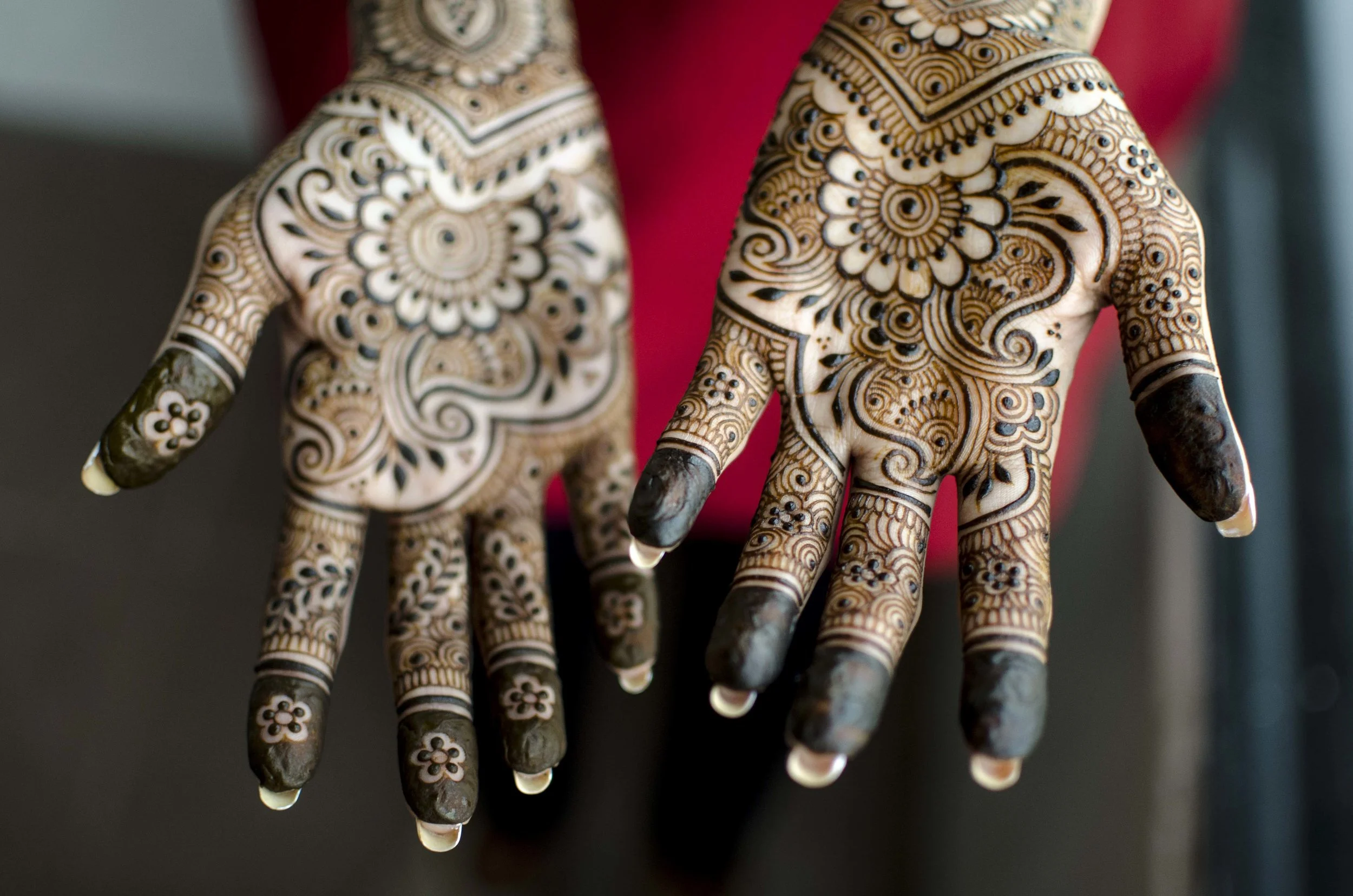
Quick Answer: Henna paste usually takes 15–30 minutes to dry on the surface, but you should leave it on your skin for at least 2–4 hours for a decent stain — and overnight (6–8 hours) for the darkest, longest-lasting colour. The drying time depends on the thickness of the paste, the weather, and how you look after it while it sets.
If you’ve ever had a beautiful henna design ruined because you smudged it too early or washed it off before it was ready, you’re not alone. Drying and setting henna properly is the difference between a faint orange mark that fades in a day and a rich, deep brown stain that lasts two weeks. Here’s everything you need to know.
How Long Until Henna Feels Dry to the Touch?
The outer layer of henna paste dries fairly quickly — usually within 15 to 30 minutes of application. You’ll know it’s surface-dry when the paste looks matte instead of shiny and no longer feels tacky when you hover a finger just above it (don’t press it).
However, surface-dry does not mean done. The paste underneath is still wet and still releasing dye into your skin. This is why henna artists always tell you to leave the design on much longer than the initial drying time.
How Long Should You Keep Henna On Your Skin?
For the colour to develop properly, henna needs time — not just drying time, but contact time. Here’s a rough guide:
- Minimum: 2 hours (gives a light orange-brown stain)
- Good result: 4–6 hours (medium brown stain)
- Best result: 6–8 hours or overnight (deep reddish-brown stain)
The hands and feet stain darkest because the skin is thicker there. Arms, shoulders, and backs take colour more lightly, so designs in those areas benefit most from an overnight wear.
Tips to Keep Henna Moist and Developing
Once the paste is surface-dry, your goal is to keep it stuck on your skin and slightly moist so it keeps releasing dye. A few proven tricks:
- Lemon-sugar sealant: Dab a mixture of lemon juice and sugar over the dried paste with a cotton ball. This keeps the paste moist and helps it cling to the skin. This is the most common method used by professional henna artists.
- Wrap it loosely: Once the sealant is tacky, you can wrap the design loosely in cling film or tissue to hold it in place. Don’t wrap it tightly — your skin needs a little air.
- Avoid water completely: Water is the enemy of fresh henna. Don’t wash your hands, shower, or do the dishes while the paste is on. Wear gloves if you need to cook or clean.
- Keep warm: Body heat helps the dye develop. Cold weather slows everything down, so in winter, keep the henna-covered area warm under a blanket or by a fire.
What Happens After You Remove the Paste?
When you’re ready to take the henna off, scrape it off rather than washing it. Use the back of a spoon, an old credit card, or just rub it away with a dry cloth or tissue. You can rub a little coconut oil or olive oil over the area first to help loosen the dried paste.
The stain will look orange at first — this is completely normal. Don’t panic. Henna oxidises over 24–48 hours and darkens to its final reddish-brown colour. To protect it during this crucial stage:
- Avoid water for the first 12–24 hours if you can
- Apply a natural oil (coconut, olive, or mustard oil) before showering or washing up
- Avoid chlorinated pools and harsh soaps for the first couple of days
How Long Does the Stain Last?
A well-applied, well-cared-for henna stain lasts 1–2 weeks on hands and feet. It fades gradually as your skin naturally exfoliates. Designs on thinner skin (arms, back, neck) fade faster, usually within a week.
To make it last longer:
- Moisturise daily with natural oils
- Avoid exfoliating scrubs on the area
- Wear gloves when using cleaning products
- Keep showers warm rather than scalding hot
Common Mistakes That Ruin Henna
- Washing it off too soon: The single most common mistake. Patience is everything with henna.
- Using water to remove the paste: Washing stops the oxidisation process and gives you a pale stain.
- Shaving or waxing right before: Freshly exfoliated skin stains lighter. Do hair removal at least 24 hours before.
- Using black henna: So-called “black henna” contains a chemical called PPD that can cause severe allergic reactions, blistering, and permanent scarring. Real henna is never black — avoid any street vendor offering it, especially at UK festivals and markets.
Frequently Asked Questions
Can I speed up henna drying with a hairdryer?
You can use a hairdryer on a low, cool setting held at a distance to help the surface dry faster, but don’t use heat — it can crack the paste and cause it to flake off early. Cool air is fine; hot air is not.
Does henna dry faster in summer?
Yes. Warm, dry weather helps henna paste dry and set faster. In humid or cold weather it takes longer, so leave extra time. This is worth knowing in the UK — a winter henna application needs more patience than one done on a warm summer day.
Why did my henna stain fade so quickly?
The most likely reasons are: you left the paste on for too short a time, you washed it off with water instead of scraping, or you exposed it to water, soap, or exfoliation too soon afterwards. Hands that do a lot of washing (nurses, chefs, parents of young children) will always see henna fade faster.
Is it safe to sleep with henna on?
Yes, it’s perfectly safe and it’s the best way to get a dark stain. Just protect your bedding — wrap the design in tissue or an old sock, and sleep on an old towel or pillowcase, because henna paste can stain fabric permanently.