How Long Do Watch Batteries Last? (2026 Guide)
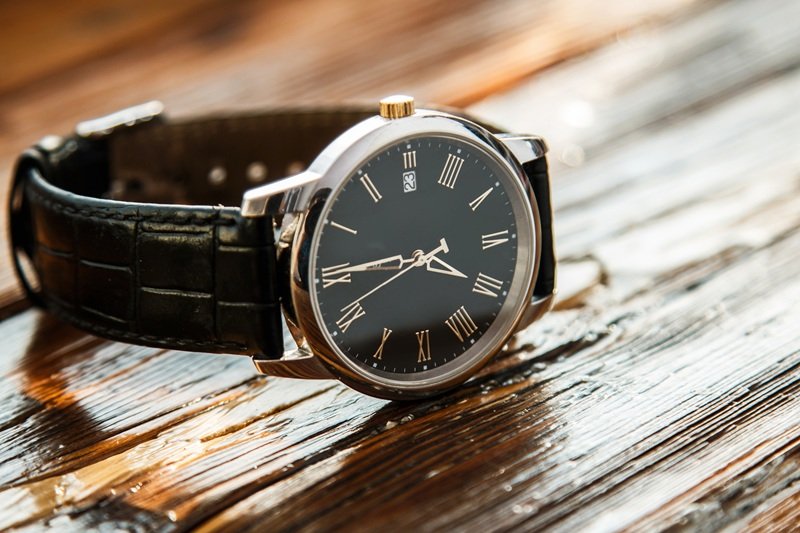
Expensive wrist watch on wooden surface
Quick Answer: Most standard watch batteries last 2 to 5 years, with the average landing around 3 years. Simple quartz watches with basic time-only functions last the longest, while watches with backlights, alarms, or chronographs drain batteries faster. Digital watches and those with LED displays usually need new batteries every 1 to 2 years.
That moment when your watch starts losing time or the second hand starts ticking in 4-second jumps — your watch is telling you the battery is on its way out. Here’s everything about how long watch batteries last, why they die when they do, and when to replace them.
Average Battery Life by Watch Type
- Basic analogue quartz watch (time only): 3 to 5 years
- Analogue watch with date display: 2 to 4 years
- Chronograph (stopwatch functions): 2 to 3 years
- Digital watch: 1 to 2 years
- Watch with LED backlight or alarm: 1 to 2 years
- Smartwatch (rechargeable): 1 to 3 days per charge, battery degrades after 2 to 3 years
The more your watch *does*, the faster it drinks power. A plain three-hand quartz movement sips electricity; a chronograph with a backlight you use every night gulps it.
Why Batteries Die Faster Than Expected
Common battery killers
- Frequent backlight use — the LED is the biggest single drain on most watches
- Alarm usage — especially vibrating or loud alarms
- Leaving the chronograph running — a stopwatch left running 24/7 can halve battery life
- Extreme temperatures — very cold or very hot conditions drain batteries faster
- Age — a battery loses charge slowly even sitting on a shelf, so an old “new” battery from a drawer may not last its full span
- Cheap or old stock batteries — quality matters; a proper silver oxide battery from a reputable brand lasts noticeably longer than a bargain-bin one
Signs Your Watch Battery Needs Replacing
- The second hand jumps in 2 or 4 second intervals instead of smooth 1-second ticks (many quartz movements do this deliberately as a low-battery warning)
- The watch loses time or stops entirely
- The digital display goes dim or flickers
- The backlight is weak or doesn’t work
- The alarm sounds faint
Important: if your watch is water-resistant, don’t ignore a dead battery. A flat battery left inside too long can leak and corrode the movement, which is a far more expensive fix than a battery change.
Battery Replacement: DIY or Professional?
Do it yourself
Changing a watch battery at home is straightforward for basic watches with snap-off or screw-down backs. A battery costs £1 to £3 online or from a high-street shop, and a case-back tool costs a few pounds. There are plenty of good video tutorials.
But be careful: you can scratch the case, damage the movement, or — critically — break the water-resistance seal. If your watch says “water resistant” and you swim or shower with it, DIY isn’t worth the risk.
Go to a professional
For anything beyond a basic watch, take it to a jeweller or watch specialist. Typical UK prices:
- High-street jeweller battery change: £8 to £15
- Watch specialist with pressure testing: £15 to £30
- Luxury or water-resistant watches: £30 to £80+ (often includes a new gasket and pressure test)
A proper service includes a new seal/gasket and a pressure test to confirm water resistance is intact. If your watch is valuable or you rely on its water resistance, this is money well spent.
How to Make Your Watch Battery Last Longer
- Use the backlight and alarm sparingly
- Stop the chronograph when you’re not using it
- Store unworn watches at room temperature, away from heat and direct sunlight
- If you’re not wearing a watch for months, consider having the battery removed by a jeweller — this prevents leakage
- When replacing, insist on a fresh, branded silver oxide battery (Renata, Energizer, Maxell) rather than a cheap generic
What Battery Does Your Watch Take?
Most watches use silver oxide button cells. The most common types are:
- SR626SW (377) — the most common watch battery, fits most standard watches
- SR920SW (371) — slightly smaller, common in slimmer watches
- SR521SW (379) — used in many small ladies’ watches
- CR2016 / CR2025 / CR2032 — lithium batteries, common in digital watches and some chronographs
Check the old battery for its number, or look it up by your watch model. Using the wrong size can damage the movement, so get it right.
FAQ
How long does a watch battery last on average?
Around 2 to 5 years for standard quartz watches, with 3 years being typical. Digital and feature-heavy watches last 1 to 2 years.
Can a dead watch battery damage the watch?
Yes. Old batteries can leak corrosive chemicals that damage the movement. If your watch has stopped, get the battery replaced within a few weeks — don’t leave it sitting for months.
Should I replace a watch battery myself?
For basic, non-water-resistant watches, yes — it’s cheap and easy. For water-resistant, expensive, or sentimental watches, go to a professional so the seal and water resistance stay intact.
Why did my new battery die so quickly?
You probably got an old or low-quality battery. Button cells lose charge on the shelf, so always buy from a reputable source and check the expiry date on the packaging.