How Do Antibiotics Work and Why Resistance Matters
How do antibiotics work and why resistance matters: the science of antibiotics, how superbugs evolve, and what you can do to help fight back against resistance.
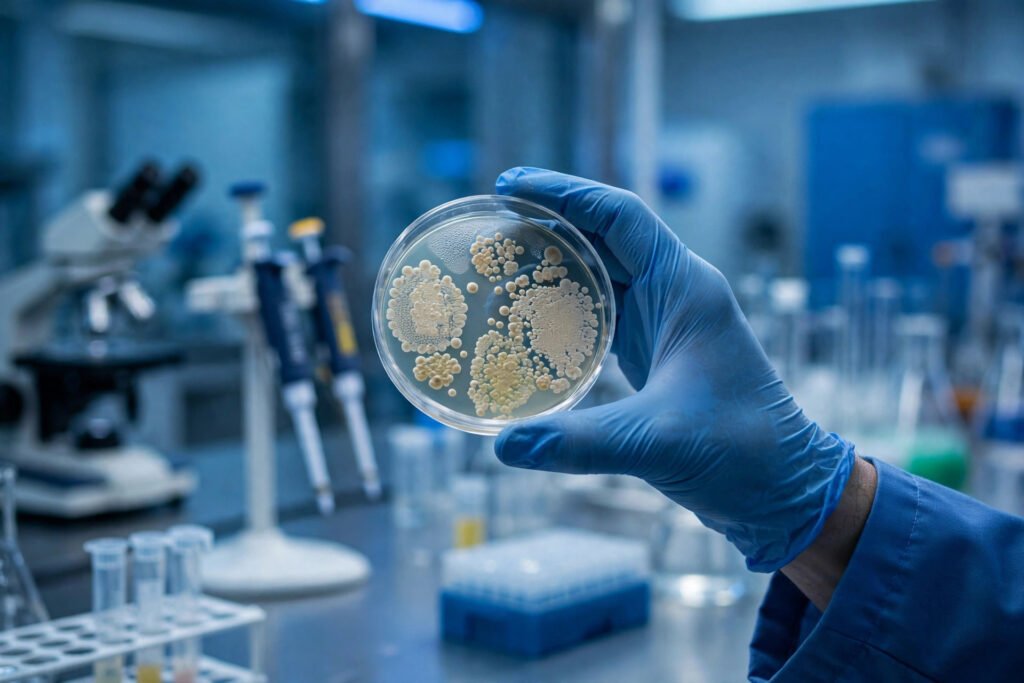
Antibiotics are among humanity’s greatest achievements — medicines that turned once-deadly infections into inconveniences and made modern surgery, chemotherapy and childbirth safe. Yet these miracle drugs are losing their power. Antibiotic resistance already kills over a million people a year worldwide, and the World Health Organization ranks it among the top threats to global health. How do antibiotics work, why does resistance happen, and what can actually be done? Here is the full picture.
How antibiotics kill bacteria (without killing you)
Antibiotics exploit the differences between bacterial cells and human cells. Different classes attack different targets: penicillins and cephalosporins sabotage the bacterial cell wall (human cells have none, so we are unharmed); others jam the bacterial ribosome’s protein factory, which differs enough from ours to target selectively; some block DNA replication or folate synthesis that bacteria need but humans get from diet. The key insight of antibiotics is selective toxicity — poison the invader, spare the host. This is also why antibiotics do nothing against viruses: viruses are not cells at all, just genetic instructions hijacking your own machinery, so there is no bacterial target to hit. Knowing the difference between a cold and flu helps you understand why neither needs antibiotics. Taking antibiotics for a cold or flu is not merely useless; it actively drives resistance.
How resistance evolves: evolution in fast-forward
Bacteria reproduce every 20 minutes and swap genes promiscuously — including across species. In any large bacterial population, a few individuals carry random mutations conferring slight drug resistance. Deploy an antibiotic and you kill the susceptible 99.99 per cent, leaving the resistant mutants with zero competition to multiply and share their resistance genes. This is natural selection operating at terrifying speed, and every antibiotic course ever taken has contributed a small selection pressure. Bacteria have evolved an arsenal: enzymes that chew up penicillin (beta-lactamases), pumps that eject drugs, altered targets the drug no longer recognises, and biofilms — slimy fortresses where antibiotics barely penetrate. The NHS guidance on antibiotics explains when they are genuinely needed and why finishing courses matters less than using them appropriately.
How human behaviour accelerates it
Evolution would produce resistance eventually; we have hit fast-forward. Overprescription — antibiotics for viral infections, or “just in case” — is a major driver. In agriculture, the routine use of antibiotics for growth promotion and disease prevention in livestock (still widespread globally) breeds resistant strains that reach humans through food and environment. Incomplete courses were long blamed, though recent evidence nuances this: the bigger issue is unnecessary courses, not under-dosed necessary ones. Poor sanitation spreads resistant strains, which is why resistance hits hardest where clean water and infection control are weakest. And the broken economics of drug development — antibiotics are used briefly and stewardarded carefully, making them commercially unattractive — means the pipeline of new drugs is dangerously thin.
What the post-antibiotic future looks like
Without action, routine medicine unravels: hip replacements, caesarean sections, chemotherapy and organ transplants all depend on effective antibiotics to manage infection risk. Already, multidrug-resistant infections like MRSA, drug-resistant gonorrhoea and carbapenem-resistant Enterobacteriaceae kill patients whom 20th-century medicine would have saved easily. The WHO’s projections of 10 million annual deaths by 2050 without action are debated in exact numbers but not in direction. The World Health Organization tracks global resistance data and coordinates the international response. The good news: resistance is reversible in principle — remove the selection pressure and susceptible strains can outcompete resistant ones, which is why stewardship works.
What actually helps
At the personal level: only take antibiotics when prescribed for bacterial infections, never share or save them, and practise the infection prevention that reduces need — vaccination, hand hygiene, food safety. These overlap with general immune-supporting habits that reduce how often you need medical intervention at all. At the system level: rapid diagnostics (so doctors know in minutes whether an infection is bacterial), antibiotic stewardship programmes in hospitals, bans on agricultural growth promotion (the EU led here), investment in new drugs and alternatives like phage therapy and vaccines, and global surveillance. The UK’s own 20-year vision on antimicrobial resistance commits to exactly this multi-front approach. Progress is real but slow — resistance is a problem we manage forever, not one we solve once.
The history of antibiotics: from Fleming to the resistance crisis
The antibiotic era began with famous serendipity: in 1928, Alexander Fleming noticed mould killing bacteria in a petri dish at St Mary’s Hospital, London. But penicillin sat unused for a decade until Florey, Chain and Heatley at Oxford turned it into a drug — one of the most consequential translational projects in medical history, rushed into mass production for D-Day. The decades after were a golden age: streptomycin, tetracycline, cephalosporins — new classes arriving regularly, each expanding medicine’s reach. Surgeons could operate boldly, childbirth became dramatically safer, and infections that had killed for millennia became inconveniences.
The warning signs appeared early: Fleming himself cautioned in his 1945 Nobel lecture that underdosing would breed resistance. He was right within years — penicillin-resistant staph appeared by the late 1940s. The pattern repeated with every class: introduction, miracle years, emerging resistance, decline. By the 1980s the pipeline was drying up as economics turned against antibiotic development, and the 2000s brought genuinely frightening strains — MRSA in hospitals, drug-resistant TB, carbapenem-resistant superbugs. The history is a parable about evolution’s speed versus human complacency: we had miracle drugs and squandered their effectiveness through overuse. The current push for stewardship and new drugs is, in a sense, an attempt to earn a second golden age — this time without repeating the mistakes.
Conclusion
Antibiotics work by selectively attacking bacterial machinery; resistance evolves because our massive use of them selects for the rare resistant mutants, accelerated by overuse in medicine and farming. The drugs are not “wearing out” — we are training bacteria to defeat them. Using antibiotics only when needed, preventing infections in the first place, and funding new treatments is how we keep these miracle drugs working. Every course you take — or wisely avoid — is a small vote for keeping these drugs working for your children.
Frequently Asked Questions
Why do antibiotics not work on colds and flu?
Colds and flu are caused by viruses, which are not cells and lack the bacterial targets antibiotics attack. Antibiotics cannot help and their misuse drives resistance.
What is antibiotic resistance in simple terms?
Bacteria evolving to survive drugs designed to kill them. Resistant bacteria multiply and spread, making previously treatable infections dangerous again.
Should I always finish my antibiotic course?
Follow your prescriber’s instructions. The old “always finish” rule is being refined — the key message now is to take antibiotics exactly as prescribed, only when needed, and never share them.
Can resistance be reversed?
Partially — reducing antibiotic use can let susceptible strains outcompete resistant ones over time. But some resistance genes persist, so prevention matters more than cure.
What is being done about the new-antibiotics shortage?
Governments are testing new funding models (like the UK’s subscription-style payments for new antibiotics), and research into phage therapy, vaccines and rapid diagnostics offers alternative paths.
What is phage therapy?
Using bacteriophages — viruses that infect bacteria — to kill infections antibiotics cannot. It is an old idea (used in Georgia for a century) being revived with modern science, and early trial results for resistant infections are promising.
Are there really no new antibiotics being developed?
There are some, but far too few — the pipeline is thin because antibiotics are commercially unattractive. New funding models, like the UK’s subscription payments rewarding successful development, aim to fix the broken economics.