How to Boost Immunity During the Winter Months
Fewer sick days this winter. 10 evidence-backed ways to support your immune system through the cold months.
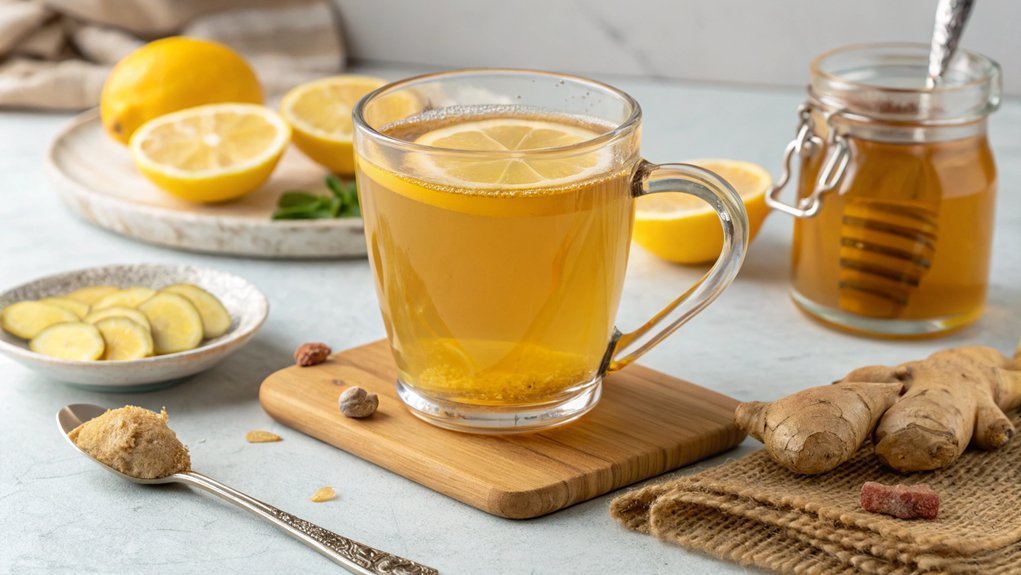
October arrives, the heating goes on, and within weeks half the office is coughing. Winter is open season for colds, flu and general lurgies — but getting ill every few weeks isn’t inevitable. Learning how to boost immunity during the winter months won’t make you bulletproof, but it genuinely reduces how often you get sick and how hard it hits.
Let’s be clear about what “boosting immunity” means — because the supplement industry has stretched the phrase beyond recognition. You can’t supercharge your immune system with a pill. What you can do is remove the things that suppress it and supply the things it needs to function normally. Less exciting, far more effective.
Boost Immunity in Winter: 10 Evidence-Backed Ways
1. Prioritise sleep — the immune system’s recharge
This is number one for a reason. People sleeping under six hours are several times more likely to catch a cold when exposed to the virus than those sleeping seven-plus. Sleep is when your immune system produces infection-fighting cytokines and antibodies. Winter’s long dark evenings are actually an opportunity: lean into earlier bedtimes instead of fighting them.
2. Take vitamin D
The UK government recommends everyone consider vitamin D supplements from October to March — sunlight is too weak for skin synthesis in these months, and deficiency is widespread. Vitamin D supports normal immune function, and trials suggest supplementation reduces respiratory infections in deficient people. It’s cheap (£3–£5 for months’ supply) and the closest thing to a no-brainer in winter nutrition. Take it with food containing fat for absorption — see our guide to the best time to take vitamin supplements.
3. Eat the rainbow (and the fibre)
Your gut houses around 70% of your immune system, so gut health is immune health. Colourful fruit and veg supply vitamins C, A and antioxidants; fibre feeds the beneficial bacteria that regulate immune responses. Frozen veg counts fully — often more nutritious than “fresh” produce that’s travelled for a week. Our guide to improving gut health with everyday foods has the full playbook.
4. Exercise moderately and consistently
Regular moderate exercise enhances immune surveillance — your immune cells circulate more effectively. But there’s a J-curve: extreme, exhaustive exercise temporarily suppresses immunity (marathon runners famously catch colds post-race). The sweet spot is regular moderate activity: brisk walking, cycling, swimming, gym sessions that leave you energised, not destroyed.
5. Manage stress
Chronic stress elevates cortisol, which suppresses immune function — it’s why people so often fall ill the moment a stressful period ends (the “let-down effect”). Winter stress plus reduced daylight is a double hit. Whatever genuinely discharges tension for you — exercise, friends, nature, creative hobbies — treat it as immune maintenance, not indulgence.
6. Wash your hands (properly)
Unsexy, wildly effective. Most winter viruses spread via hands to face. Twenty seconds with soap, especially after public transport, before eating, and after being in crowded places. Hand sanitiser works when soap isn’t available. And stop touching your face — the average person does it 20+ times an hour.
7. Stay hydrated
Dehydrated mucous membranes trap viruses less effectively — your nose and throat are your first line of defence. Central heating dries indoor air mercilessly, so conscious hydration matters more in winter. Keep water visible and sip through the day (here’s how much you actually need).
8. Get the flu jab if you’re eligible
Free on the NHS for over-65s, pregnant women, young children, carers and people with long-term conditions — and available privately for around £15–£20 at pharmacies for everyone else. It’s the single most effective flu prevention available, and it reduces severity even when it doesn’t fully prevent infection.
9. Ventilate indoor spaces
We spend 90% of winter indoors, breathing shared air. Cracking windows briefly a few times daily — even in cold weather — dramatically reduces airborne virus concentration. The Germans have a word for it (Stosslüften: shock-ventilation) and they’re right.
10. Don’t smoke (and go easy on alcohol)
Smoking damages the respiratory tract’s defences directly — smokers catch more colds and get worse flu. Excessive alcohol suppresses immune function for 24+ hours after heavy drinking. Winter’s social season makes this timely advice.
What About “Immune-Boosting” Supplements?
Echinacea, elderberry, zinc lozenges, vitamin C megadoses — the evidence is underwhelming. Vitamin C doesn’t prevent colds in the general population (it may slightly shorten them). Zinc lozenges show modest benefit if started within 24 hours of symptoms. A good multivitamin is reasonable insurance if your diet is poor, but no pill compensates for bad sleep and no exercise. Spend the money on better food and a decent winter coat instead.
When you do get ill
It’ll happen despite best efforts — winter viruses are relentless. Know the rules: our guide to the difference between a cold and flu helps you identify what you’ve got, and our guide to exercising with a cold tells you when to rest and when gentle movement is fine. And if winter darkness is dragging your mood down too, here’s how to deal with seasonal affective disorder.
The NHS advice on vitamin D covers dosage and who needs supplements.
Immunity as You Age: Extra Attention After 65
Immune function naturally declines with age — a process called immunosenescence. It’s gradual, not catastrophic, but it means winter precautions matter more for older adults:
- Vaccinations become more important: flu jab annually (free), COVID boosters when offered, pneumococcal vaccine (one-off for over-65s), and shingles vaccine eligibility — check with your GP what’s due.
- Protein needs rise: older adults need more protein per kilo than younger adults to maintain immune function and muscle — aim for protein at every meal, not just dinner.
- Vitamin D is critical: deficiency is more common and more consequential with age — supplementation from October to March is strongly advised, and some clinicians recommend year-round.
- Stay socially active: loneliness measurably suppresses immune function in older adults. Social contact isn’t just nice — it’s immunological.
- Keep moving: even gentle daily movement (walking, chair exercises) maintains immune surveillance far better than sedentary winters.
If you care for an older adult, watch for the subtle signs that they’re run down — increased confusion, reduced appetite, unusual tiredness — and know the warning signs of dehydration, which often accompany winter illness. Early action (fluids, warmth, GP contact) prevents the minor bugs from becoming hospital admissions.
The practical takeaway: sleep 7+ hours, take vitamin D October–March, eat colourful fibre-rich food, exercise moderately, wash your hands, ventilate rooms, and get the flu jab if eligible. Boring? Yes. Effective? More than any “immune booster” on the shelf.