Best Beginner-Friendly Video Games to Start With 2026
The best beginner-friendly video games to start with 2026: welcoming games across every genre for brand-new players, with zero assumed skill required.
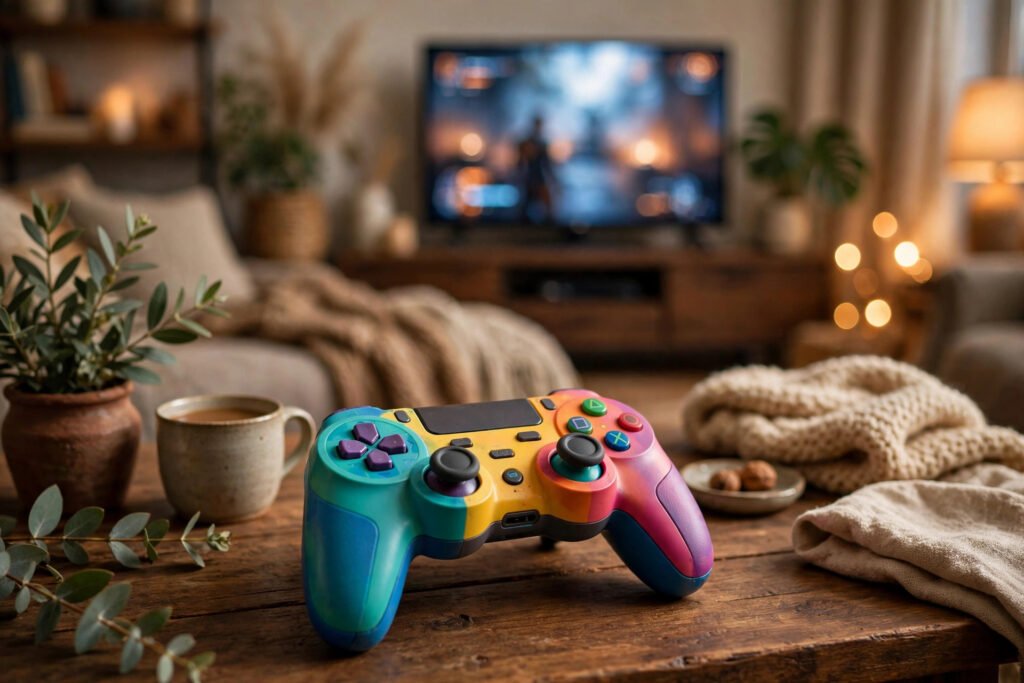
Video games are the biggest entertainment medium on the planet — bigger than film and music combined — yet millions of adults have never played one and would not know where to start. The sheer choice is paralysing: thousands of releases a year, bewildering genres, and a culture with its own language. But 2026 is a wonderful time to start: games are more accessible, more varied and more welcoming than ever. Here are the best beginner-friendly video games to start with, whatever your age or interests.
What makes a game beginner-friendly?
Three things: gentle learning curves (the game teaches you as you play), forgiving failure (mistakes cost little), and clear goals (you always know what to do next). The best beginner games also respect your time — playable in satisfying short sessions — and avoid punishing reflexes or obscure jargon. Importantly, “beginner-friendly” does not mean childish: some of the medium’s greatest works are also its most welcoming.
Cozy and creative: low pressure, high charm
Stardew Valley remains the gold standard — a farming life sim with no fail state, where you farm, fish, befriend villagers and explore at your own pace. Animal Crossing: New Horizons (Switch) offers similar gentle escapism on a desert island you shape yourself. Minecraft’s Creative mode is pure digital Lego: build anything with infinite resources and zero danger. These games teach the basic grammar of play — moving, interacting, managing resources — without any pressure, and they are beloved by millions of adults. They are also wonderful shared experiences; gaming together is half the joy, which is why hosting a games night for adults has become such a popular way to socialise.
Story-driven adventures: games as interactive films
If you love stories, start here. Titles like Life is Strange, Firewatch, or the accessible modes of bigger adventures offer compelling narratives with simple controls — exploration, dialogue choices, light puzzles. The focus is the journey, not the reflexes. Many include “story mode” difficulty settings that remove combat challenge entirely. These are the games that convert sceptics who think games are “just shooting”.
Puzzle and strategy: thinking person’s games
Portal and Portal 2 teach first-person controls through brilliant, funny puzzle design — many consider Portal the perfect first “proper” game. Tetris Effect and similar puzzle games are meditative and instantly understandable. Turn-based strategy like Civilization VI or Into the Breach lets you think at your own pace with zero time pressure. These build the problem-solving muscles that transfer across the whole medium.
Playing with others: the social side
Gaming is deeply social in 2026. Cooperative games like It Takes Two (designed for two players, one experienced and one new — it even won Game of the Year), Overcooked, or Lego titles are perfect for playing with a partner or friend who can guide you. Family-friendly options abound too — family board games share the same social DNA, and many families now mix digital and tabletop play. If you are worried about online safety, especially with younger players, the NSPCC’s gaming safety guidance and the PEGI age-rating system are the essential references.
Practical getting-started advice
You do not need an expensive PC: a Nintendo Switch, a PlayStation or Xbox, or even a phone or tablet opens the medium. Start on easy difficulty — there is no shame in it, and you can raise it later. Use tutorials and do not skip them. Remap controls if the defaults feel wrong. Take breaks; new mental skills fatigue fast. And remember that everyone was a beginner once — the gaming community is far kinder to genuine newcomers than its reputation suggests.
Gaming with kids: the best first games by age
If you are introducing children rather than starting yourself, age-appropriate picks matter. Ages 3–5: simple creative play — Toca Boca apps, Lego Duplo games, drawing apps; short sessions, always together. Ages 6–8: Minecraft Creative, Animal Crossing, Mario Kart (with auto-steer on), Lego titles — forgiving, charming, cooperative. Ages 9–12: Stardew Valley, Pokemon, Zelda’s gentler entries, Rocket League — real games with real depth, still welcoming.
Teens can handle most of the beginner list above, plus story-driven titles matched to maturity — check PEGI ratings together and discuss content rather than just banning. Across all ages, the principles hold: play with them (it is bonding, and you will spot problems early), keep consoles in shared spaces, and treat gaming like any other privilege — earned through balance, not granted by default. The kids who game healthily are usually the ones whose parents game with them, at least sometimes. And the games they love at eight become the nostalgia they share with you at eighteen — choose well and you are building memories, not just filling time.
Conclusion
The best beginner-friendly games in 2026 — Stardew Valley, Animal Crossing, Minecraft, Portal, It Takes Two — share gentle learning curves, forgiving design and genuine joy. Pick the one that matches your interests, start on easy, and give it a few sessions. You are not just learning a game; you are opening the biggest entertainment medium of the century. A final encouragement for the hesitant: the average gamer is in their mid-thirties, and a huge proportion started as adults. There is no “too late”, only “haven’t started yet”. The medium spent forty years learning to welcome newcomers, and it shows: tutorials, difficulty options, assist modes and communities are better than ever. Your only real obstacle is the belief that games are not for you. Pick one from this list, give it three sessions, and let the medium make its case.
Frequently Asked Questions
What is the easiest video game for a complete beginner?
Stardew Valley, Animal Crossing: New Horizons or Minecraft Creative mode — all have no fail states, teach you gradually, and are beloved by adult beginners.
Do I need an expensive console to start gaming?
No. A phone or tablet, a Nintendo Switch, or a basic laptop all open up excellent beginner games. Start with what you have.
Are video games suitable for adults who have never played?
Absolutely — the average gamer is in their thirties, and many of the best beginner games are designed with adult players in mind. There is no age limit on starting.
How do I know if a game is age-appropriate?
Check the PEGI rating (pegi.info) — Europe’s standard system, shown on every box and digital store page. It rates age suitability and content descriptors.
What if I am terrible at games?
Everyone starts terrible. Play on easy, use tutorials, choose forgiving games, and remember that skill builds fast — most beginners feel competent within a few weeks.
Are mobile games a good place to start?
Yes — phones are the most common gaming device on Earth, and many excellent games are free or cheap. Touch controls suit some genres (puzzles, strategy) better than others (shooters), but starting where you already are is always smart.
What if my partner or friends play something competitive?
Do not start there — competitive games assume genre literacy and punish beginners. Ask them to play something cooperative with you first, and graduate to their main game once you have the basics.
How long until a beginner feels competent?
Most people feel comfortable with the basics within two to three weeks of casual play. Full fluency takes longer, but the steep part of the curve is short — games are designed to teach you as you play.