Best Exfoliators for Sensitive Skin 2026: 8 Gentle Picks
Our best exfoliators for sensitive skin 2026 roundup covers gentle AHAs, PHAs and enzyme formulas that smooth without redness, plus safe patch-testing tips.
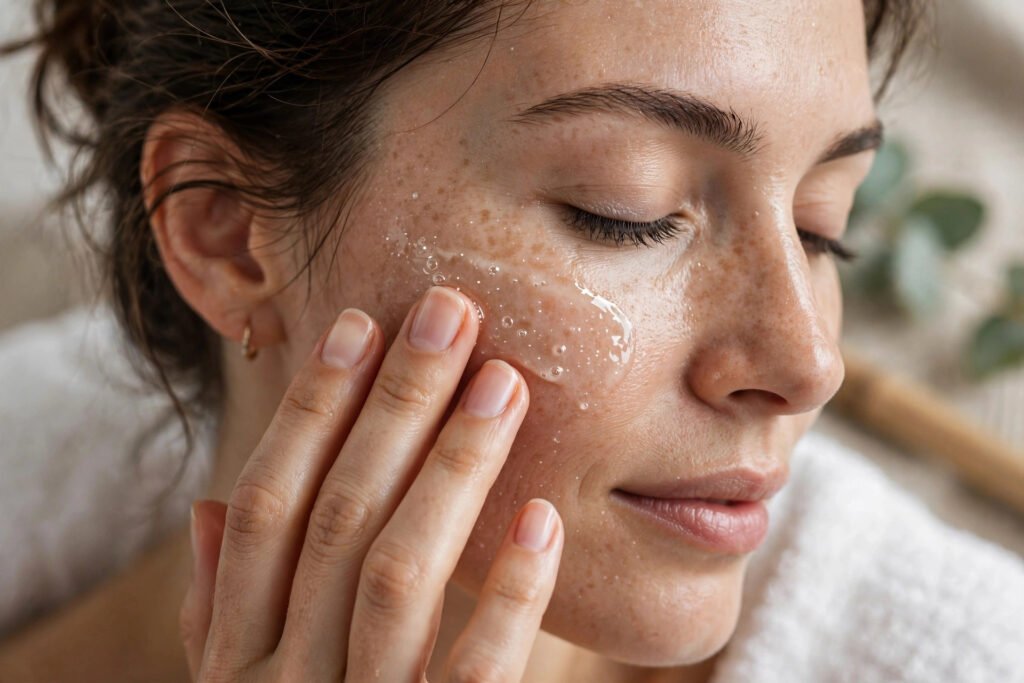
Exfoliation promises the glow, but for sensitive skin it often delivers the burn: redness, stinging, and a barrier left waving a white flag. The problem is rarely exfoliation itself; it is the wrong exfoliant, used too often, at too high a strength. Sensitive skin can absolutely be exfoliated, and the results, smoother texture, brighter tone, fewer clogged pores, are worth the care it takes to do it right.
The 2026 market finally caters to reactive skin properly, with low-strength acids, polyhydroxy acids, and enzyme formulas designed for tolerance rather than intensity. This guide explains which exfoliant types suit sensitive skin, how to introduce them safely, and the standout picks worth your money.
Why Sensitive Skin Reacts to Exfoliants
Sensitive skin typically has a compromised barrier: the protective layer of lipids and cells that keeps moisture in and irritants out is thinner or patchier than average. Harsh exfoliants strip what little barrier exists, triggering the classic cascade of redness, tightness, and breakouts. Conditions like rosacea, eczema, and dermatitis raise reactivity further.
This does not mean avoiding exfoliation forever. Dead skin cells still accumulate, dulling tone and blocking the absorption of the serums you carefully apply. The goal is the gentlest effective method: enough cell turnover to reveal fresher skin, never enough to provoke it. Think coaxing, not scouring.
The Exfoliant Types, Ranked by Gentleness
Enzyme exfoliants (gentlest)
Derived from papaya (papain), pineapple (bromelain), or pumpkin, enzymes dissolve the bonds between dead cells without acids or scrubbing. They work only on the surface, cannot over-penetrate, and suit even rosacea-prone skin. The trade-off is subtlety: expect gentle brightening rather than dramatic resurfacing.
PHAs (polyhydroxy acids)
Gluconolactone and lactobionic acid are the sensitive-skin acids of choice. Their larger molecules penetrate slowly, causing far less sting than glycolic acid, while attracting moisture at the same time. Ideal for dry-sensitive types who need exfoliation plus hydration.
Mandelic acid
An AHA with a large molecular structure, derived from almonds, that exfoliates gently and has antibacterial properties useful for congestion-prone sensitive skin. A good middle ground when enzymes feel too mild.
Low-strength lactic acid
At 5% or below, lactic acid offers mild exfoliation with humectant benefits. It is the gentlest of the classic AHAs and widely tolerated. Anything above 10% belongs nowhere near reactive skin.
What to avoid
High-strength glycolic acid, aggressive scrubs with jagged particles, and daily exfoliating cleansers are the usual culprits behind barrier damage. Physical scrubs are not inherently evil, but most sensitive skin does better with chemical or enzyme options.
How to Introduce an Exfoliant Safely
Patch test first: apply a small amount behind the ear or along the jawline for three consecutive evenings and watch for delayed reactions. Then start once a week, in the evening, on dry skin. If all is calm after two weeks, move to twice weekly. Three times is the ceiling for most sensitive skin; daily exfoliation is how barriers get destroyed.
Buffer if needed: applying moisturiser first and the exfoliant over it slows penetration. Never layer exfoliants with retinoids, vitamin C, or other acids on the same night when starting out. And sunscreen becomes even more critical, since freshly exfoliated skin burns faster. Our guide to protecting sensitive skin from sun damage covers choosing non-irritating SPF formulas.
Standout Picks for 2026
Best enzyme powder
Water-activated enzyme powders let you control the intensity: a quick thirty-second cleanse for maintenance, a minute-long mask for deeper work. They are travel-friendly, preservative-light, and nearly impossible to overdo.
Best PHA toner
A daily-use PHA liquid at low concentration suits sensitive skin that wants consistent gentle turnover without a dedicated “treatment night”. Look for added glycerin or aloe for comfort.
Best mandelic serum
A 5-8% mandelic acid serum hits the sweet spot for texture and congestion in reactive skin. Use twice weekly in the evening and expect visible smoothing within a month.
Best exfoliating mask
A ten-minute enzyme or low-acid mask used weekly gives a controlled dose with a clear endpoint, which nervous beginners find reassuring. Rinse thoroughly and follow with a barrier-supporting moisturiser.
Best budget option
Several affordable lactic-acid and enzyme formulas now perform admirably. Price is no guarantee of gentleness; some luxury exfoliants are needlessly aggressive, while budget options formulated for sensitivity outperform them on tolerance.
Best for rosacea-prone skin
Azelaic acid deserves a mention: technically a treatment rather than a classic exfoliant, it gently unclogs, calms redness, and is one of the few actives dermatologists recommend for rosacea. Available over the counter at lower strengths in the UK.
The Inside-Out Factor
Topical care is only half the story. Emerging research on the gut-skin axis suggests that diet influences inflammation and barrier function, which is why our guide to the gut-skin connection and everyday foods makes useful companion reading. Nobody is claiming yoghurt replaces exfoliant, but a calm gut rarely hurts calm skin. The British Association of Dermatologists’ advice similarly emphasises that overall skin health supports tolerance of active ingredients.
Building a Sensitive-Skin Routine Around Exfoliation
An exfoliant works best as part of a calm, supportive routine. Pair it with a gentle non-foaming cleanser, a fragrance-free moisturiser rich in ceramides or squalane, and a mineral or hybrid sunscreen you will wear daily. Keep the rest of the routine boring on exfoliation nights: no retinoids, no vitamin C, no additional acids. Think of the exfoliant as the one active ingredient doing the heavy lifting while everything else plays defence. If your skin is highly reactive, introduce the supporting routine first and get it stable for two weeks before the exfoliant ever touches your face. A calm baseline makes it far easier to tell whether a new product is helping or hurting.
Signs You Have Gone Too Far
Learn the warning signs of over-exfoliation: persistent redness, a shiny “plastic” look, stinging when applying bland products, new breakouts in unusual places, and skin that feels tight within minutes of moisturising. If this happens, stop all actives immediately and go back to basics, gentle cleanser, bland moisturiser, sunscreen, for one to two weeks until calm returns. Then reintroduce at half the frequency. The NHS guidance on sensitive skin care is worth reading if reactions are severe or persistent.
Conclusion
The best exfoliator for sensitive skin in 2026 is the gentlest one that still delivers results: enzymes or PHAs for the very reactive, low-strength mandelic or lactic acid for the moderately sensitive. Patch test, start weekly, protect with SPF, and respect the warning signs. Glow should never hurt.
Frequently Asked Questions
Can sensitive skin be exfoliated at all?
Yes, with the right type and frequency. Enzyme exfoliants and PHAs are designed for reactive skin. The key is starting once weekly, patch testing first, and never combining multiple exfoliating actives.
How often should sensitive skin exfoliate?
Once a week to start, building to two or three times maximum. Daily exfoliation overwhelms most sensitive skin and damages the barrier, causing more problems than it solves.
Is physical or chemical exfoliation better for sensitive skin?
Chemical (acids, enzymes) is usually better because it works evenly without friction. If you prefer physical, choose ultra-fine, rounded particles and use minimal pressure, never harsh scrubs.
Should I exfoliate in the morning or evening?
Evening is best: skin is more vulnerable to sun after exfoliation, and nighttime application lets barrier-repairing products work undisturbed. Always follow with moisturiser and daily SPF.