How Long Does Tattoo Removal Take? (2026 UK Guide)
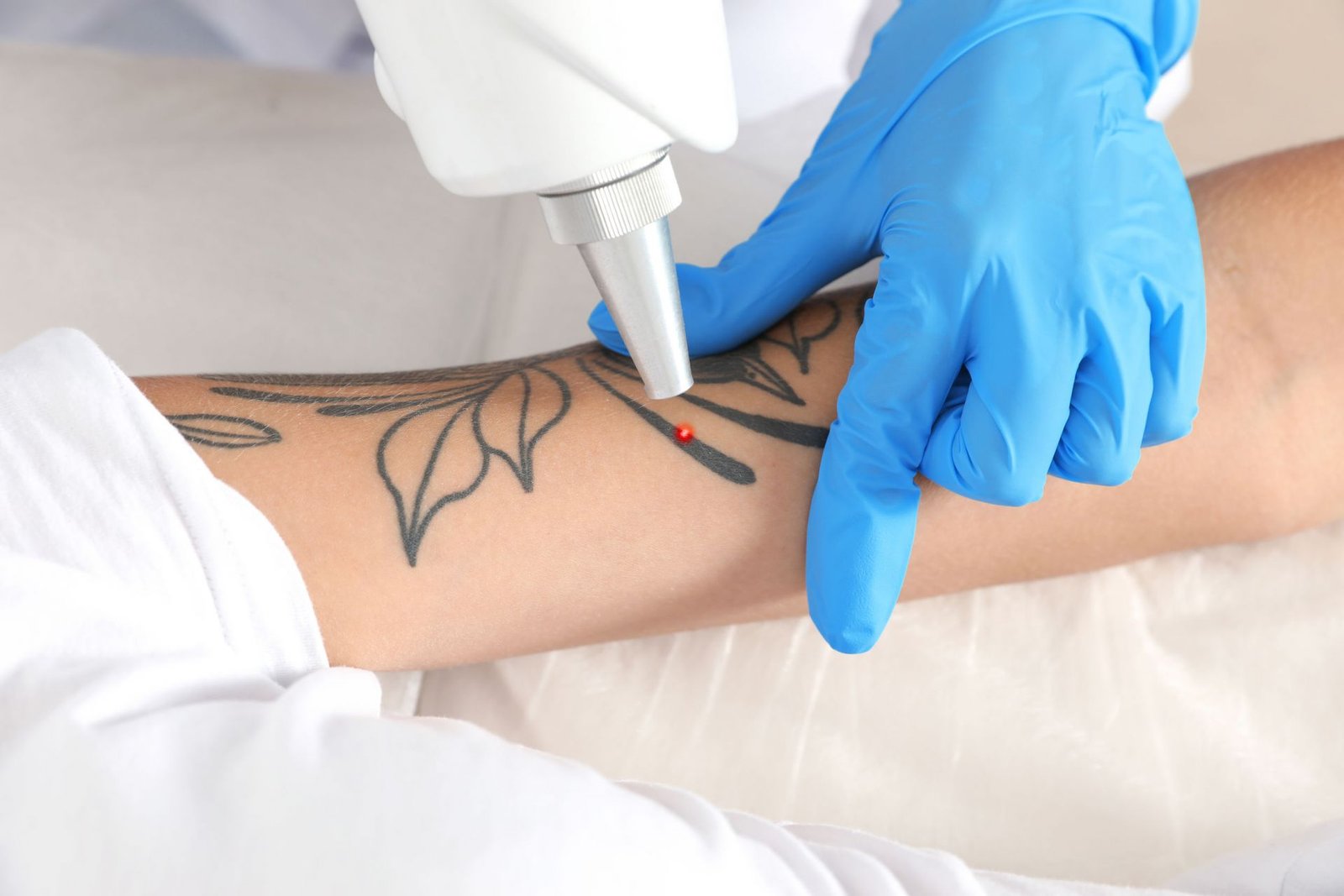
Quick Answer: A single laser tattoo removal session usually lasts 15 to 30 minutes, but complete removal typically takes 8 to 12 sessions spread over 12 to 18 months. Sessions must be spaced 6 to 8 weeks apart so your skin can heal properly. Larger, darker, or older tattoos may take longer, while small, light tattoos can clear in fewer sessions.
So you’ve decided to get rid of an old tattoo. Maybe it’s a faded name across your wrist, a blurry design from your teens, or something that just doesn’t feel like *you* anymore. Whatever the reason, tattoo removal is very achievable these days — but it’s not an overnight fix. Here’s what to realistically expect.
How Does Laser Tattoo Removal Work?
Modern clinics use Q-switched or picosecond lasers that fire ultra-short pulses of light at the ink. These pulses shatter the ink particles into tiny fragments, which your body’s immune system then clears away over the following weeks. That’s why sessions have to be spaced out — the laser does the breaking, but your body does the removing.
Each session, the laser targets one layer of ink. Tattoos with multiple colours or heavy shading need more passes over more sessions because different ink colours respond to different laser wavelengths.
The Realistic Timeline
Here’s a breakdown of what a typical removal journey looks like in the UK:
- Small, black-only tattoo (under 5cm): 6 to 8 sessions, roughly 9 to 12 months
- Medium tattoo, single colour: 8 to 10 sessions, roughly 12 to 15 months
- Large tattoo or multi-coloured design: 10 to 15+ sessions, 18 to 24 months
- Professional, densely packed tattoo: add 2 to 4 extra sessions compared to a homemade one
The gap between sessions matters enormously. Most UK clinics recommend 6 to 8 weeks minimum between appointments. Some specialists now recommend 8 to 12 weeks for better results, because your skin continues flushing out ink long after the session.
Factors That Affect How Long It Takes
Not all tattoos fade at the same rate. These factors make the biggest difference:
Tattoo colour
– Black and dark blue ink responds fastest — it’s the easiest colour for lasers to target
– Red and orange usually clear well but can be stubborn
– Green, teal, and yellow are the hardest colours to remove and often need extra sessions
– White ink barely responds to lasers at all, and can even darken after treatment
Tattoo age and location
– Older tattoos (10+ years) often fade faster because the ink has already broken down somewhat
– Newer tattoos need longer — clinics usually want to wait at least 6 to 12 months before treating a fresh tattoo
– Tattoos closer to the heart (chest, neck) tend to clear faster thanks to better blood circulation
– Tattoos on hands, feet, and ankles are slowest because circulation is poorer there
Your skin and health
– Lighter skin tones generally respond better because the laser can be used at higher energy
– A strong immune system clears ink fragments faster — smoking can genuinely slow the process down
– Staying hydrated and healthy between sessions makes a measurable difference
How Much Does Tattoo Removal Cost in the UK?
Prices vary by region, but as a rough guide for 2026:
- Small tattoo (under 5cm): £60 to £120 per session
- Medium tattoo (5 to 10cm): £120 to £220 per session
- Large tattoo (over 10cm): £200 to £400+ per session
Most clinics offer package deals — typically 8 sessions for the price of 6 or similar. A full removal journey usually costs somewhere between £500 and £2,000 in total depending on size and complexity.
Safety Disclaimer
Laser tattoo removal must be done by a trained, qualified professional — ideally at a registered clinic (look for practitioners registered with the Healthcare Commission or similar bodies). Never try removal methods you see on social media, such as salt abrasion, acid creams, or “DIY laser” kits. These can cause serious burns, scarring, and infections.
Before your first session, a reputable clinic will do a patch test on a small area of skin to check how you react. They should also take a full medical history, including any medications you’re on, and explain the risks — including temporary blistering, scabbing, and (rarely) scarring or pigmentation changes.
Tips to Speed Up the Process
- Follow aftercare instructions — keep the treated area clean, avoid sun exposure, and apply any recommended creams
- Protect the area from sunlight — sunburn on a treated tattoo can cause complications and slow everything down
- Exercise regularly — it boosts circulation and immune function, which helps your body clear ink
- Don’t rush sessions — trying to squeeze them closer together doesn’t speed things up; it increases scarring risk
FAQ
Does tattoo removal hurt?
Most people say it feels like being snapped with a hot elastic band. It’s sharper than getting tattooed but the session is much shorter. Clinics offer numbing cream or cooling systems to take the edge off.
Can a tattoo be removed completely?
Usually yes, though some faint shadowing may remain — especially with very dense or colourful designs. A good clinic will give you an honest assessment at your consultation.
Is laser tattoo removal available on the NHS?
No, the NHS doesn’t cover tattoo removal for cosmetic reasons. It’s only done privately at registered clinics.
Will there be scarring?
With modern lasers and proper aftercare, scarring is rare. Poor aftercare, picking at scabs, or going to an unqualified practitioner are the main causes of problems.