
Best Board Games for Family Game Night
The best board games for family game night by age — Ticket to Ride, Codenames, Dobble and more. Plus why it’s time to retire Monopoly.
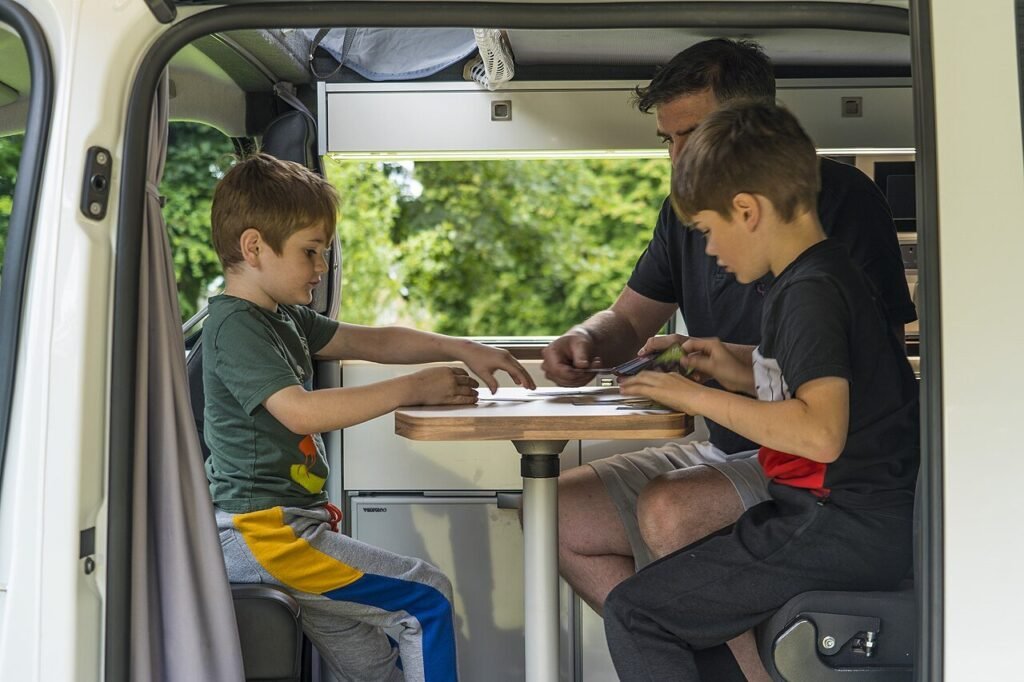
Family game night sounds idyllic until you’re 40 minutes into explaining rules to a seven-year-old while grandad falls asleep. The right game makes the evening; the wrong one ends in a Monopoly-based family feud. Here are the best board games for family game night — tested across ages, attention spans and competitive streaks.
What makes a great family game night game?
The sweet spot: learnable in 10 minutes, playable in under an hour, fun for ages 8 to 80, and with enough luck that the kids can genuinely win. Games that fail family night usually fail on one of these — too long (sorry, Risk), too complex (sorry, most euros), or too cutthroat (sorry, Monopoly — we’ll get to that).
The best board games for family game night
Ticket to Ride — the perfect starter
Collect cards, claim railway routes across the map, longest routes win. Rules take five minutes to teach, games run 45–60 minutes, and there’s genuine tension without direct conflict — nobody gets “attacked”. The Europe edition (£30–£35) is the best starting point for UK families. Kids from about 8 can play independently; younger ones can team up with a parent.
Codenames — best for bigger groups
Two teams, one spymaster each giving one-word clues to find their team’s secret words. Brilliant with 6+ players, endlessly replayable, and the “ohhh!” moments when a clue clicks are pure joy. Takes 15 minutes to play a round, so it fits perfectly as a warm-up or wind-down game. Around £15 — the best value in board gaming.
Azul — beautiful and sneaky-deep
Draft colourful tiles to decorate a palace wall. Looks like a coffee-table ornament, plays like a knife fight in a phone box — in the best way. Simple rules, 30–40 minutes, and the tactile tiles are satisfying for all ages. £30ish. Slightly more thinky than Ticket to Ride, so better for families with teens.
Dobble — the chaos option
Spot the matching symbol first. That’s the whole game, and it’s absolute mayhem with kids — loud, fast, hilarious, over in 15 minutes. £10–£12 in a tin you can throw in a bag. Essential for families with younger children or short attention spans. Also brilliant travel game — see our travelling with a toddler guide for more sanity-savers.
The Crew / The Mind — cooperative brilliance
Not every family thrives on competition. Cooperative games — everyone wins or loses together — transform game night for mixed ages. The Crew (a trick-taking game in space, £12) and The Mind (play cards in order without communicating, £10) are both superb and take 20 minutes. Grandparents love these.
Bananagrams — the word game that isn’t Scrabble
Scrabble’s problem for families: downtime. You wait ages for your turn and get crushed by the vocabulary nerd. Bananagrams fixes it — everyone plays simultaneously, racing to build their own crossword. Fast, frantic, done in 15 minutes. £12–£15.
Games by age group
- Ages 4–7: Dobble, Rhino Hero (stacking cards, gloriously tense), Outfoxed! (cooperative whodunit).
- Ages 8–12: Ticket to Ride, Catan Junior, King of Tokyo (monster dice battle — kids adore it).
- Teens: Azul, Codenames, Exploding Kittens, Wavelength (a brilliant party-guessing game).
- All ages including grandparents: Ticket to Ride, Bananagrams, The Crew, classic card games.
The Monopoly question
Let’s address it: Monopoly is a bad family game. It’s too long (2–4 hours), elimination-based (knocked-out players sit bored), and scientifically designed to create resentment — it was literally created to demonstrate the evils of landlordism. If your family loves it, try Catan instead: trading, building, everyone’s involved till the end, done in 60–90 minutes. Same “build an empire” satisfaction, fraction of the fallout.
Running a great game night
- Start with the short game: a 15-minute warm-up (Dobble, Codenames) while everyone arrives and settles.
- One person learns the rules properly: watch a 5-minute “how to play” video beforehand rather than reading the rulebook aloud. YouTube has excellent teach videos for every game listed here.
- Snacks that don’t grease the components: popcorn in bowls, not handfuls over the board. This matters more than you’d think.
- Let kids win sometimes — genuinely: pick games with enough luck (Ticket to Ride, King of Tokyo) that wins happen naturally. Throwing games obviously is worse than winning.
- End on a high: stop after the big game while everyone’s happy, not after the fourth game when everyone’s bickering.
For grown-up groups, our adult games night guide covers the more competitive (and wine-fuelled) end of the spectrum.
Where to buy in the UK
Waterstones, The Works and Smyths all stock the big family titles, often cheaper than you’d expect — The Works in particular does great deals on Dobble and Bananagrams. For the wider range, try Zatu Games (Norwich-based, excellent prices) or your local independent board game café — many sell games and let you try before you buy. Charity shops are surprisingly good hunting grounds for the classics.
Try before you buy: board game cafés
Not sure which games your family will love? The UK has a brilliant board game café scene — Thirsty Meeples in Oxford, Chance & Counters in Bristol and Birmingham, Draughts in London — where you pay a small cover charge (£3–£5 per person) and get access to hundreds of games with staff who’ll teach you. It’s the perfect low-risk way to discover your family’s taste before spending £30 on a box. Many also do family-friendly daytime sessions at weekends. One visit usually reveals whether your lot are competitive strategists, chaotic party gamers, or cooperative puzzle-solvers — then buy accordingly instead of guessing. Most cafés also run family tournaments and learn-to-play nights — check their socials for weekend events.
The takeaway
The best board games for family game night are short, simple to teach, and fun for the youngest and oldest at the table. Start with Ticket to Ride or Codenames, keep Dobble in reserve for chaotic energy, and retire Monopoly before it retires your family harmony. The goal isn’t the game — it’s everyone round the table, phones down, laughing. Pick right, and they’ll ask when the next one’s happening.






