How to Sell Your Car Privately for the Best Price in the UK
Sell your car privately for the best price: pricing from real data, £200 of prep that earns £1,000, adverts that sell, handling viewings and safe payment.
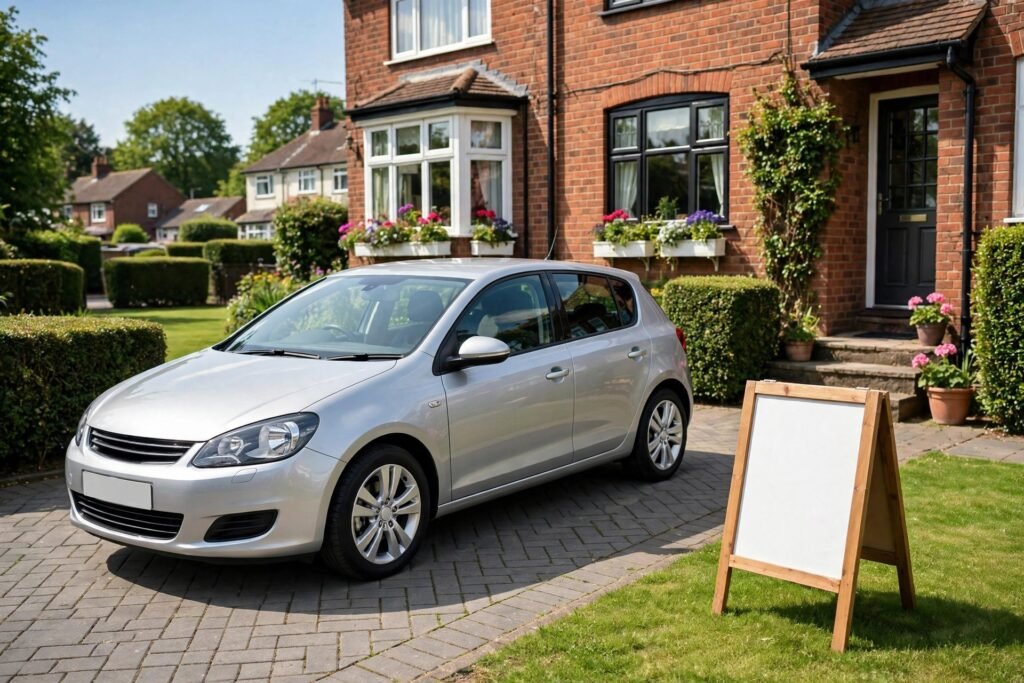
Dealers and we-buy-any-car sites offer convenience — and take a hefty cut for it. Selling your car privately typically puts £500–£2,000 more in your pocket than part-exchange or instant-buy services, sometimes more. But private selling has a reputation for tyre-kickers, no-shows and lowball offers that puts many sellers off. The difference between a painful month of timewasters and a quick sale at a strong price is entirely about preparation and process. Here’s how to sell privately like a pro.
Step 1: Price It Right (The 80% of Success)
Overprice and you’ll sit unsold for months, eventually selling for less than a realistic initial price would have achieved. Underprice and you leave money on the table. Get it right:
- Check three sources: Auto Trader, Motors.co.uk and Parkers/eBay completed listings for your exact model, age, mileage and spec. Private sale prices sit between part-exchange (lowest) and dealer retail (highest) — aim for the realistic middle.
- Adjust honestly: full service history adds value; outstanding finance, missing history, high mileage or cosmetic damage subtract it. Price the car you have, not the car you wish you had.
- Consider the market moment: convertibles sell better in spring, 4x4s in autumn, and the market shifts with fuel prices and ULEZ expansions. Timing a sale by 6–8 weeks can add hundreds.
- Leave haggle room: price 5–8% above your minimum acceptable price. British buyers expect to negotiate; a firm “no offers” price often just means no enquiries.
Knowing what buyers check helps you price confidently — buyers increasingly run history checks, so read our guide to what diagnostic-savvy buyers look for… actually, better: understand the buying process from the other side — selling well means thinking like a buyer.
Step 2: Prepare the Car (The £200 That Earns £1,000)
Presentation sells. Before photographing or listing:
- Deep clean everything: professional valet (£80–£150) is the highest-ROI spending in car selling. Clean the engine bay, shampoo the seats, dress the tyres.
- Fix the cheap stuff: blown bulbs, worn wiper blades, scuffed alloys (mobile repair ~£60/wheel), small dents (paintless dent removal ~£80/panel). Each unfixed flaw becomes a £500 negotiation lever in the buyer’s mind.
- Service if due: a fresh service with 12 months’ MOT is worth far more than its cost in buyer confidence. Never sell with a short MOT — buyers discount heavily for the risk.
- Gather paperwork: V5C, service history, MOT certificates, receipts for work done, both keys, owner’s manual. A thick history file justifies your price and speeds the sale.
Step 3: The Advert That Sells
- Photos make or break it: 20+ photos minimum, in daylight, car clean, taken at golden hour if possible. All angles exterior, every seat, boot, dashboard (mileage visible), engine bay, wheels, and honest close-ups of any damage. Phone cameras are fine; effort is what matters. Adverts with 20+ quality photos get multiples of the enquiries of 4-photo listings.
- Write a proper description: model, year, mileage, spec, service history, MOT length, reason for sale, what’s been done recently, any faults declared honestly. Honesty about minor flaws builds trust and filters out hagglers looking for surprises.
- Where to list: Auto Trader (largest audience, £40–£60 for a listing — worth it), Motors.co.uk, eBay Motors, plus Facebook Marketplace and model-specific owners’ forums (enthusiast buyers pay premiums for loved examples). Gumtree for cheaper cars.
- Headline with the selling points: “FSH, 12 months MOT, 2 owners, garaged” beats “nice car, first to see will buy” every time.
Step 4: Handling Enquiries Like a Professional
- Respond fast: serious buyers message several sellers; first responders win viewings.
- Pre-qualify on the phone: a 5-minute call filters timewasters — ask if they have insurance/finance sorted, when they can view, whether the price works for them. Genuine buyers answer directly; dreamers ramble.
- Viewings at your home, daylight, with someone present. Never meet in car parks or at night. Have the V5C and history file ready.
- Test drives: check their driving licence, verify insurance covers them (theirs or yours with permission — confirm with your insurer), and accompany them always. Agree the route in advance.
- Negotiation: expect 5–10% haggling. Hold your minimum firmly but politely: “I’ve priced it fairly based on [evidence]; I can do £X.” Silence after your number is powerful — let them fill it.
Whether the buyer later leases or buys, market context explains what they’re comparing you against — price against the cheapest alternatives, condition against the best. And if your next vehicle takes you across the Channel, see what to know before driving in France.
Step 5: The Sale — Getting Paid Safely
This is where private sellers get scammed. Rules:
- Bank transfer only, funds cleared before handover. Faster Payments usually arrive within 2 hours — wait for it to show in your account. Never accept PayPal “friends and family,” cheques, or overpayment scams (“I’ll pay extra, refund the difference” — classic fraud).
- Never release the car on a promise. No “my bank will transfer tomorrow.” No exceptions.
- Complete the V5C transfer online together at gov.uk/sold-bought-vehicle — instant, and it ends your tax/penalty liability immediately. Give the buyer the green new-keeper slip.
- Write a simple receipt: both names, addresses, date, price, mileage, “sold as seen” (private sales have no warranty, but you must not misrepresent).
- Cancel insurance after the transfer completes, and reclaim any road tax refund due (automatic on V5C transfer).
Auto Trader’s selling guides and MoneySavingExpert both cover scam patterns to watch for.
What If It Doesn’t Sell?
Three weeks with no serious enquiries means something’s wrong — usually price, photos or both. Refresh the advert with new lead photos, reconsider the price against fresh comparables (markets move), and try a different platform. After 6–8 weeks, get honest: drop the price meaningfully (5–10%, not £50 token cuts) or fix the issue buyers keep mentioning. The nuclear options — part-exchange, instant-buy services — remain available, and a car that’s been professionally presented with full history will still command better offers there than a neglected one. But most well-priced, well-presented cars sell within a month; patience plus realism beats panic discounting.
Conclusion
Selling privately for the best price is a process: price from real market data with haggle room built in, invest £200 in presentation, photograph like you mean it, pre-qualify enquiries ruthlessly, and take payment only by cleared bank transfer with the V5C done online together. Do it right and you’ll bank £500–£2,000 more than the easy options — a solid hourly rate for a weekend’s work.
Frequently Asked Questions
Is it better to sell a car privately or part-exchange?
Private sale typically yields £500–£2,000 more than part-exchange or instant-buy services. Part-exchange wins on convenience and timing (useful when buying the replacement same-day). Choose based on how much your time is worth.
How should I price my car for private sale?
Research identical cars on Auto Trader, Motors.co.uk and eBay completed listings. Price between part-exchange value and dealer retail, adjusted honestly for condition and history, with 5–8% haggle room above your minimum.
What paperwork do I need to sell a car privately?
V5C logbook, service history, MOT certificates, receipts for work, both keys, owner’s manual. Complete the V5C transfer online with the buyer at gov.uk, and write a simple receipt both parties sign.
How do I avoid scams when selling a car privately?
Accept bank transfer only with funds visibly cleared in your account before handover. Never accept overpayments, PayPal, or promises of later payment. Meet at home in daylight, verify the buyer’s ID, and accompany all test drives.
When is the best time to sell a car in the UK?
Spring for convertibles and sports cars, autumn for 4x4s and estates. Generally, selling before the next MOT/service is due and before major model updates depress values. Market conditions (fuel prices, ULEZ changes) also shift demand.