How to Manage Stress When Caring for an Elderly Parent
Caring for an ageing parent is rewarding and exhausting. Practical ways to manage stress, get support and avoid burnout.
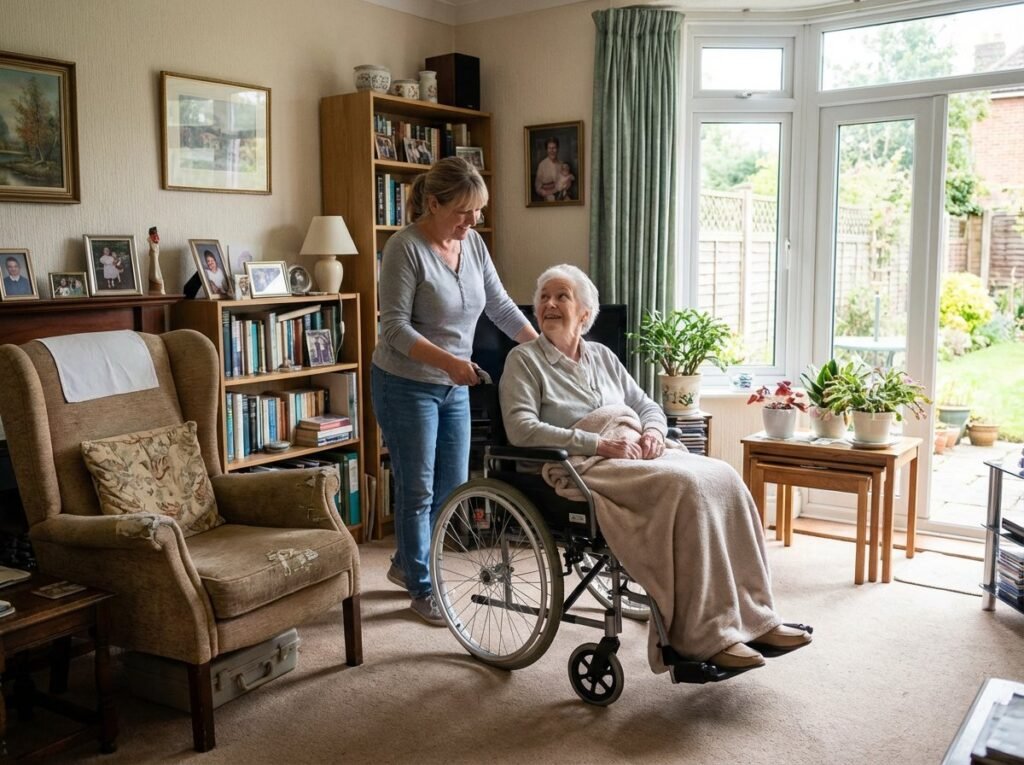
There’s a particular exhaustion that comes from caring for an ageing parent. It’s not just tiredness — it’s the slow grind of worry, interrupted sleep, difficult decisions and grief for someone who’s still here. If you’re trying to manage stress when caring for an elderly parent, first know this: feeling overwhelmed doesn’t mean you’re failing. It means you’re doing something genuinely hard.
Around 5 million people in the UK provide unpaid care, many juggling it with jobs and their own families. Carer burnout is so common it has its own clinical recognition — yet most carers never ask for help until they’re at breaking point. This guide is the permission slip and the practical toolkit in one.
The Stress of Caring for an Elderly Parent: Recognising Burnout
Carer stress creeps up disguised as “just getting on with it”. Watch for:
- Constant exhaustion that sleep doesn’t fix
- Irritability — snapping at the person you’re caring for, then drowning in guilt
- Withdrawing from friends and your own interests
- Physical symptoms: headaches, brain fog, getting every cold going
- Feeling trapped, resentful or tearful — then guilty for feeling that way
- Neglecting your own health appointments, exercise, sleep
The guilt deserves addressing directly: resentment and love coexist in every carer. Feeling frustrated doesn’t cancel out your devotion. The carers who burn out aren’t the ones who feel guilty — they’re the ones who let guilt stop them getting help.
Practical Strategies for Managing Carer Stress
1. Get a carer’s assessment — it’s your legal right
Many carers don’t know this exists. Your local council must offer a carer’s assessment looking at how caring affects your life and what support you need — respite care, help with tasks, emotional support. It’s free, you’re entitled to it whether or not the person you care for has had their own assessment, and it can open the door to real practical help. Contact your council’s adult social services to request one.
2. Accept respite without guilt
Respite — someone else taking over for hours, days or weeks — isn’t abandonment; it’s what makes sustained caring possible. Options range from a few hours of sitting services weekly to day centres to short residential stays. Many carers resist respite until crisis forces it. Book it before you need it.
3. Share the load (even imperfectly)
Family dynamics make this fraught, but be specific when asking siblings or relatives: “Can you take Mum to her Thursday appointment?” beats “I need help” every time. People respond to concrete requests. If family won’t step up, paid help for even a few hours weekly — cleaning, sitting, transport — can be transformative.
4. Protect non-negotiable personal time
Even 30 minutes daily that’s yours — a walk, a bath, a chapter of a book — acts as a pressure valve. Treat it like a medical appointment: immovable. Carers who protect small daily breaks cope measurably better than those who don’t.
5. Keep your own health on the schedule
Carers notoriously skip their own GP appointments, dental check-ups and exercise. Your health failing helps nobody — least of all the person depending on you. Book the appointments. Take the walk. Drink the water (dehydration and stress feed each other — and while you’re at it, watch for dehydration warning signs in the person you care for too).
Emotional Support: You Don’t Have to White-Knuckle This
Carers UK runs support groups, an advice line and online communities where people genuinely understand — sometimes the most powerful stress relief is hearing “me too” from someone living it. Counselling, including carer-specific services, helps process the grief-while-they’re-here feeling that few people talk about.
And if low mood is settling into something heavier, talk to your GP. Depression in carers is common and treatable — our guide to talking to your GP about mental health concerns can help you start that conversation. The NHS social care and support guide explains your rights and available help clearly.
The difficult decisions
At some point most carers face wrenching choices: more care at home, sheltered housing, residential care. These decisions feel like betrayals but they’re often acts of love — recognising that professional care can provide safety and quality of life you can’t sustain alone. Get advice (Age UK’s helpline is excellent), involve the person as far as they’re able, and know that choosing residential care when it’s needed is not failure.
Money and Benefits: What Carers Can Claim
Financial stress compounds caring stress, and many carers miss out on support they’re entitled to. Key entitlements in the UK:
- Carer’s Allowance: currently around £81/week if you care 35+ hours weekly, earn under the earnings threshold (around £151/week after deductions), and the person you care for receives a qualifying disability benefit. Claim via GOV.UK — and get advice first, as it can affect other benefits.
- Carer’s Credit: protects your National Insurance record (and thus your State Pension) if you’re caring 20+ hours weekly but don’t qualify for Carer’s Allowance.
- Council Tax reductions: discounts or exemptions may apply depending on circumstances — ask your council.
- Carer’s assessments (from the main article) can open the door to direct payments for respite and support.
- Attendance Allowance / PIP: for the person you care for — non-means-tested, and qualifying opens up your Carer’s Allowance eligibility. Many eligible people never claim; help them apply.
Get a benefits check
The benefits system is complex and under-claiming is rife — billions go unclaimed yearly. Get a free full benefits check from Citizens Advice, Age UK, or Carers UK before assuming you know what you’re entitled to. One appointment can uncover thousands of pounds in annual support. And if you’re juggling work with caring, know your rights: employees can request flexible working from day one, and carer’s leave legislation gives additional protections — check the latest GOV.UK guidance, as these rights have been strengthening.
The practical takeaway: request your carer’s assessment this week — it’s free and it’s your right. Build in respite before crisis, protect 30 daily minutes fiercely, ask family for specific help, and treat your own health as part of the care plan. You can’t pour from an empty cup, and getting support is what good carers do.