How to Make Restaurant-Style Curry at Home
How to make restaurant-style curry at home — the base sauce secret, spice technique, and why your curry tastes homemade (and how to fix it).
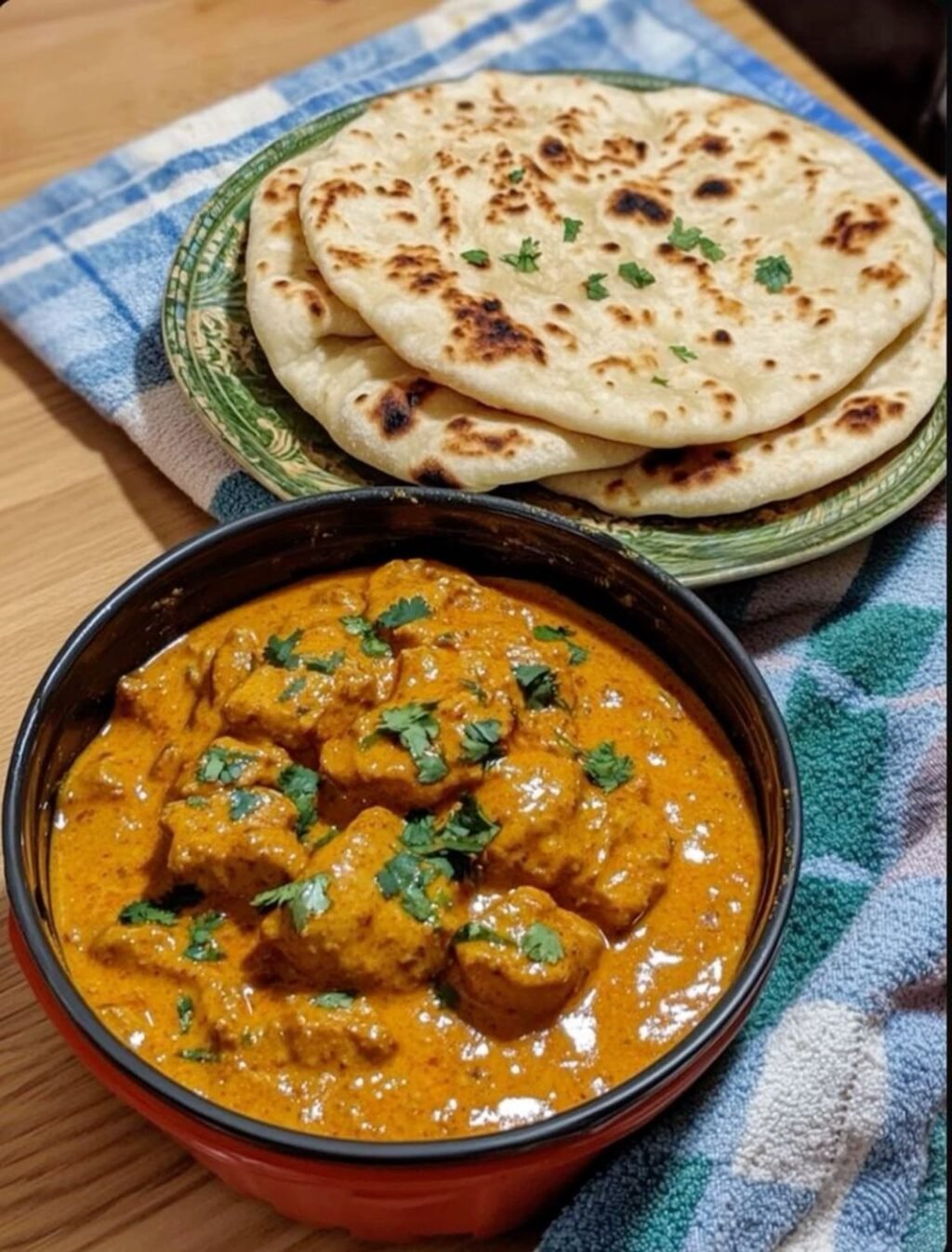
Everyone knows the frustration: you follow a curry recipe carefully, and it tastes… fine. Pleasant. But nothing like the restaurant — missing that depth, that gloss, that unmistakable ‘curry house’ flavour. The gap isn’t talent or secret ingredients. It’s technique: restaurants cook differently from home cooks, in specific ways that are entirely learnable.
Here’s how to make restaurant-style curry at home: the base sauce method, the spice techniques that create depth, and the finishing touches that close the gap completely.
The base sauce: the restaurant secret
British curry houses don’t start each dish from scratch — they start from a base sauce (sometimes called ‘gravy’): a large batch of slowly cooked onions, carrots, cabbage, peppers and spices, blended smooth. Every curry on the menu begins with ladles of this base, which is why restaurant curries have that consistent depth and body that home versions lack.
Make it on a Sunday: 2kg onions, a few carrots, half a cabbage, peppers, ginger, garlic, turmeric, cumin, coriander, water — simmered 2–3 hours until completely soft, then blended silky smooth. It freezes in portions for months. This one batch is the foundation of every curry below, and it’s the single biggest step towards restaurant flavour. Yes, it’s an afternoon’s work. It makes twenty curries. The maths is excellent.
- Base sauce (onion/carrot/cabbage/spices, blended smooth) = restaurant depth.
- Batch-cook 2kg onions’ worth on Sunday; freeze in portions for months.
- One afternoon’s work underpins twenty curries.
Spice technique: blooming and layering
Home cooks add all the spices at once and simmer. Restaurants layer them. The key technique is blooming (tarka): frying ground spices in hot oil or ghee for 30–60 seconds until they darken and smell incredible, before adding wet ingredients. This transforms raw, dusty spice flavour into deep, roasted complexity — it’s the single technique that most separates restaurant from homemade.
Layer whole spices first (cumin seeds, cardamom, cinnamon in the hot oil until they crackle), then ground spices briefly, then the base sauce. And use enough oil — restaurant curries glisten because they’re cooked in generous oil, which carries flavour and creates the glossy finish. You can spoon excess off at the end, but cooking lean produces lean flavour. Finally, finish with garam masala in the last 5 minutes (its volatile aromatics fade with long cooking) and fresh coriander off the heat.
- Bloom ground spices in hot oil 30–60 secs — raw-to-roasted transformation.
- Whole spices first (crackle), ground spices brief, garam masala last.
- Generous oil carries flavour; spoon excess off after, not during.
How to make restaurant-style curry at home: the dishes
With base sauce ready, classic dishes come together in 20–30 minutes. Chicken tikka masala: marinate chicken in yoghurt, lemon, ginger-garlic paste and tandoori spices (2 hours minimum, overnight best), grill or sear hard for char, then simmer in base sauce with tomato passata, cream and a knob of butter. Madras: base sauce + extra chilli + lemon juice, reduced until thick and glossy. Dhansak: base sauce + red lentils (cooked into the sauce) + pineapple for the sweet-sour signature.
The cheat that isn’t cheating: pre-marinated proteins. Tikka-style chicken, marinated overnight, works in every curry on the menu — cook a batch and use across dishes all week. And naan matters: shop-bought naan brushed with garlic butter and blistered under a screaming-hot grill (or in a dry cast-iron pan) is 90% of the restaurant experience. Homemade naan is a project; jazzed-up shop naan is Tuesday dinner.
- Base sauce + marinated protein + 20–30 mins = any classic curry.
- Marinate overnight; sear hard for char before saucing.
- Shop naan + garlic butter + screaming-hot grill = 90% of restaurant naan.
The finishing touches
Restaurants finish curries; home cooks just stop cooking. The finishes: a swirl of cream or coconut cream (not for madras — keep those tomato-clean), a knob of butter melted in at the end (the ‘restaurant gloss’), fresh coriander stems and leaves (stems have more flavour than leaves — use both), a squeeze of lemon to lift everything, and crispy fried onions on top for texture.
Balance is the final skill: taste and adjust. Too flat? Salt and lemon. Too rich? More tomato or lemon. Too hot? Cream or coconut, not water. Missing depth? A teaspoon of sugar or mango chutney (the secret in many restaurant sauces). Restaurant cooking is assertive seasoning — home cooks chronically under-salt curries. Season like you mean it, taste constantly, and remember the dish should taste slightly over-seasoned before the rice dilutes it.
- Finish: cream/coconut swirl, butter knob, coriander, lemon squeeze.
- Balance by tasting: salt, acid, sweetness — adjust assertively.
- Season boldly; the rice will dilute it to perfect.
Equipment and the weekly curry night
You don’t need much: a heavy-based pan or karahi (even heat, no hotspots — £20–30), a spice grinder or pestle and mortar (pre-ground spices fade; grinding whole takes 2 minutes and tastes twice as good), and containers for the base sauce portions. A pressure cooker or Instant Pot (£60–90) earns its place for lentils, chickpeas and tough meats — dhansak in 20 minutes instead of an hour.
Make it a system: Sunday base-sauce batch (monthly, frozen), weekly protein marinade, and a spice box with the essentials (cumin, coriander, turmeric, garam masala, chilli, mustard seeds, cardamom). The first curry takes an afternoon; every curry after takes 30 minutes. That’s faster than delivery, cheaper by half, and — once the technique clicks — genuinely better. For the full weeknight arsenal, our one-pot meals and homemade pizza dough keep the homemade momentum going.
- Heavy pan/karahi (£20–30) + spice grinder: the only essential kit.
- Grind whole spices fresh — 2 minutes, twice the flavour.
- System: monthly base sauce, weekly marinade, stocked spice box.
Restaurant-style curry at home comes down to three things: a batch-cooked base sauce, bloomed and layered spices, and confident finishing. None of it is difficult; all of it is learnable. Make the base sauce this Sunday, and by next weekend you’ll be cooking curries that make the takeaway menu look like a suggestion rather than a necessity. BBC Good Food’s curry collection has hundreds of recipes to practise on.