How to Find Bridesmaid Dresses That Suit Different Body Types
One dress rarely suits everyone. How to choose bridesmaid dresses, colours and mix-and-match styles that flatter every body.
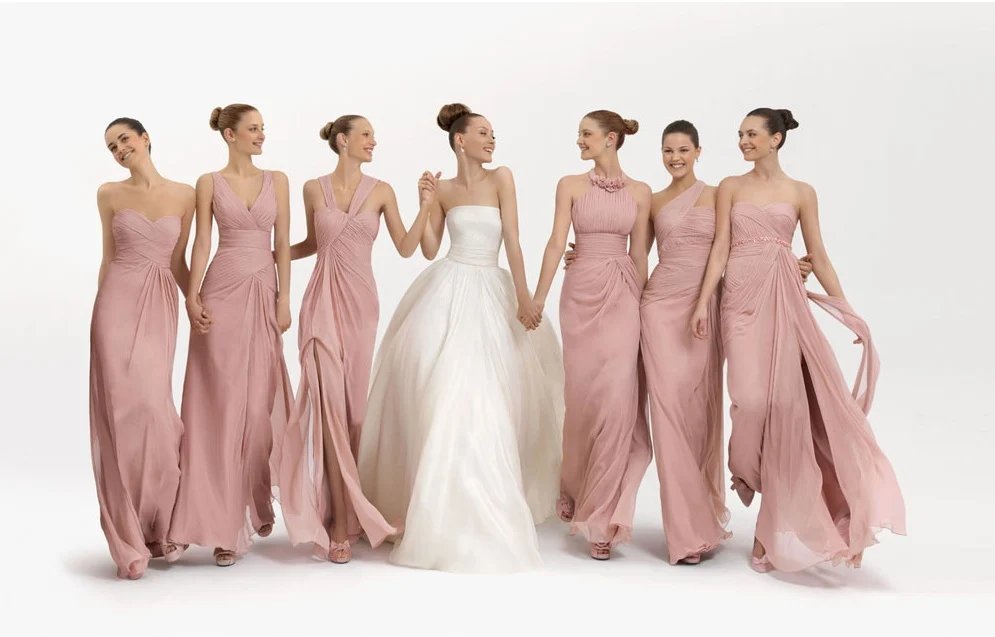
One bridesmaid is 5’10” and athletic, another is 5’2″ and curvy, the third is pregnant, and the bride wants them to “match”. Sound familiar? Finding bridesmaid dresses that suit different body types is one of wedding planning’s great challenges — but the mix-and-match revolution has made it easier than ever to have a cohesive bridal party where everyone actually feels good.
The old approach — one dress, one colour, one cut for everyone — produced the classic bridesmaid misery: the dress that flattered nobody and photographed badly on everybody. Modern weddings have moved on. Here’s how to get it right.
Bridesmaid Dresses for Different Body Types: The Mix-and-Match Method
Instead of identical dresses, choose one unifying element and vary the rest:
- Same colour, different styles: everyone in the same shade (dusty blue, sage, burgundy) but each chooses her most flattering neckline and silhouette. Cohesive in photos, comfortable in reality. This is the most popular approach for good reason.
- Same style, different colours: one dress design in a palette of complementary shades (all pastels, all jewel tones, ombré effect). Works when the dress itself is universally flattering (wrap dresses, A-lines).
- Same fabric, varied everything: all satin, or all chiffon — the fabric unity reads as intentional even with different cuts and tones.
- Convertible dresses: multiway dresses that wrap into dozens of styles — each bridesmaid wears it her way. Brilliant for very diverse groups, though the fabric is usually jersey (less formal).
Set clear parameters to avoid chaos: specify the colour (with swatches, not just “blue”), the formality level, the length, and any no-gos. Freedom within a framework.
Flattering Styles by Body Type
Curvy / hourglass figures
Wrap dresses and fit-and-flare styles celebrate curves — the defined waist is key. V-necklines elongate; ruching is forgiving and elegant. Avoid shapeless shifts that hide the waist. Our curvy fit principles (high rise, defined waist, right fabric) apply to dresses too.
Petite frames
Knee-length or tea-length hems (floor-length can overwhelm), V-necklines, vertical details, and monochrome colour. Avoid overwhelming prints and excessive fabric. Empire waists can work beautifully on petites.
Tall / athletic builds
Maxi lengths look stunning; halter and one-shoulder necklines show off shoulders; flowing fabrics add softness. Avoid anything too short or too tight — tall frames need enough fabric to look intentional.
Plus-size figures
Empire waists, A-line skirts, wrap fronts, three-quarter sleeves — all elegant and comfortable. Proper support matters: built-in bras or the right undergarments transform the fit. Our plus-size fit philosophy (support first, wear what you love) applies here too.
Pregnant bridesmaids
Empire-waist styles in stretchy or flowing fabrics accommodate a growing bump gracefully. Order a size up and alter closer to the date — or choose styles that drape rather than fit precisely. Comfort is the priority; she’ll remember how she felt longer than how she looked.
Practicalities: Budget, Timing and Alterations
- Budget honesty: the bride traditionally pays or bridesmaids pay for their own — clarify early. Set a realistic budget (£80–£200 is typical UK) and stick to it. Never assume what people can afford.
- Order early: 4–6 months ahead for made-to-order; 2–3 months minimum for off-the-peg plus alterations.
- Alterations are expected: almost no bridesmaid dress fits perfectly off the rail. Budget £30–£60 per dress for hemming and tweaks — our tailor guide covers what to ask.
- Shoes: let bridesmaids choose their own in a specified colour — identical shoes in different sizes are a blister factory. Comfort matters: they’ll be standing for hours (see our comfortable heels guide).
- The group photo test: photograph the dresses together in natural light before committing — colours that match in the shop can clash in daylight.
Colour considerations
Choose shades that suit the range of skin tones in your party — universally flattering options include navy, burgundy, forest green, dusty blue and champagne (not white-adjacent). Very pale pastels wash out fair skin; neons challenge everyone. When in doubt, jewel tones flatter the widest range.
For the wedding guest side of things — different rules, different stress — see our guide to dressing for a British wedding as a guest. Vogue UK’s wedding coverage showcases real bridal parties for inspiration.
Bridesmaid Gifts That Aren’t Tat
The traditional bridesmaid gift — personalised dressing gown, cheap jewellery, a candle — is well-meant but often landfill. Better ideas at various budgets:
- The useful luxury (£20–£40): quality silk pillowcase, proper candle (Diptyque-mini level, not pound-shop), beautiful notebook, cashmere socks. Things they’ll actually use.
- The experience (£30–£60): afternoon tea together post-wedding, a spa voucher, theatre tickets. The gift is the memory plus the friendship time.
- The practical (£15–£30): contribution toward their shoes or alterations (genuinely appreciated — bridesmaid costs add up), a handbag they’ll reuse, quality skincare minis for the wedding morning.
- The heartfelt (free–£10): a handwritten letter about what their friendship means. Costs nothing, kept forever — consistently rated the most meaningful gift in every survey.
Timing and presentation
Give gifts at the rehearsal dinner or wedding morning — not during the reception chaos. Wrap properly (presentation matters), include a card, and don’t make a performance of it. And bridesmaids: a group gift for the bride (contributed equally, organised by the maid of honour) is the expected reciprocation — a spa day, a beautiful photo album, or something for the honeymoon. Keep contributions transparent and opt-in; not everyone has the same budget.
Bridesmaid Duties: The Honest Timeline
Being a bridesmaid is an honour — and a part-time job. The realistic timeline: 6+ months out: dress shopping and ordering, budget discussion (be honest early — financial strain poisons friendships). 3–4 months: hen party planning (keep it affordable and inclusive — the £500 weekend away excludes people; ask, don’t assume). 6–8 weeks: dress alterations, shoe buying (break them in!), final headcount for the hen. 2 weeks: confirm logistics — timings, locations, who’s doing what. The week: rehearsal, final try-on, emergency kit assembly (plasters, safety pins, tissues, snacks — the bridesmaid’s bag is the wedding’s first aid kit). The day: arrive early, stay calm, keep the bride fed and hydrated, manage the timeline gently, and dance like you mean it. The truth: the best bridesmaids aren’t the best-dressed — they’re the calmest, kindest logistical backbone. The dress is the least important part of the job.
The practical takeaway: go mix-and-match with one unifying element (colour is easiest), let each person choose her most flattering cut within clear parameters, budget for alterations, and photograph everything together in daylight. Happy bridesmaids photograph better than “perfectly matched” miserable ones.