
Are Protein Shakes Necessary for Building Muscle?
Are protein shakes necessary for building muscle? What actually builds muscle, hitting protein targets from food, and when shakes help.
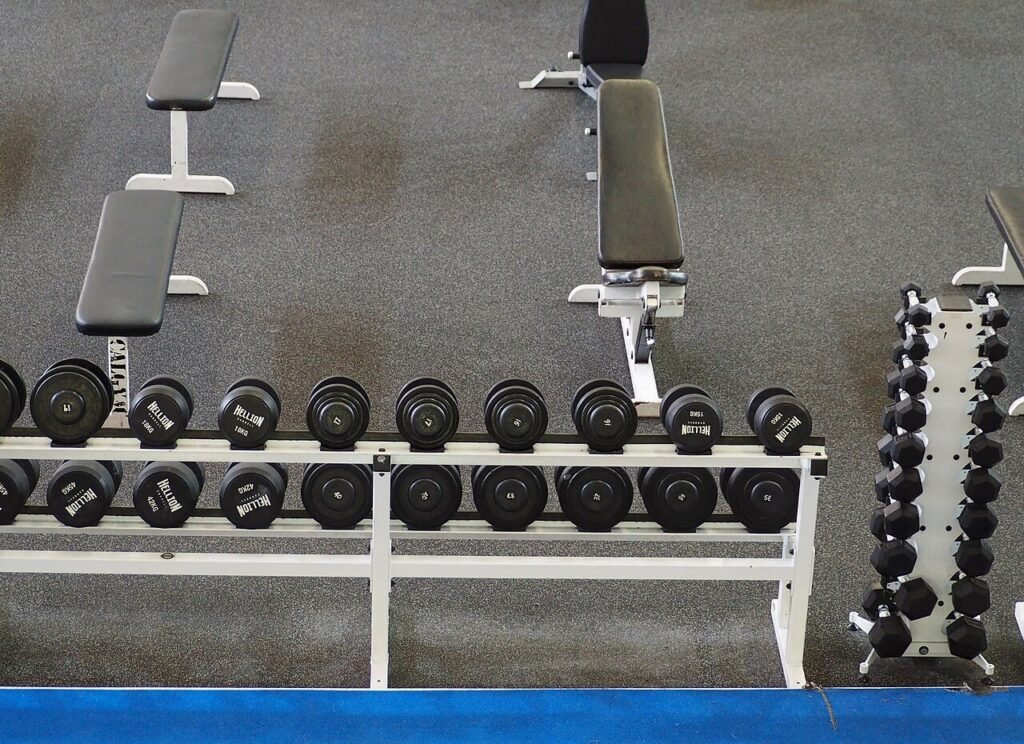
Walk into any gym and the shaker bottles outnumber the water bottles. The supplement industry — worth billions — has convinced a generation that muscle requires powder. But are protein shakes necessary for building muscle? The short answer is no. The longer answer explains when they’re genuinely useful, when they’re an expensive irrelevance, and what actually builds muscle. Let’s cut through the marketing.
What muscle building actually requires
Three things, in order of importance:
- Progressive resistance training. Muscles grow in response to progressively challenging load. No training stimulus, no growth — regardless of protein intake. This is 80% of the equation.
- Sufficient total protein. The raw material. Research converges on 1.6–2.2g of protein per kg of body weight daily for maximising muscle growth — roughly double the standard RDA.
- Recovery. Sleep, rest days, overall calories. See our sleep guide — poor sleep measurably impairs muscle protein synthesis.
Notice: “protein shakes” appears nowhere. What matters is total daily protein — the source is secondary.
Can you hit protein targets from food alone?
For most people: absolutely. A day’s eating for an 80kg person targeting ~140g protein:
- Breakfast: 3 eggs + Greek yoghurt (35g)
- Lunch: chicken breast sandwich + milk (45g)
- Dinner: salmon fillet + lentils + veg (45g)
- Snacks: handful of nuts, cheese (15g)
Total: ~140g, no powder involved. Vegetarians and vegans can do it too — it just requires more planning (lentils, tofu, tempeh, seitan, beans, quinoa, protein-rich grains). The barrier is organisation, not biology.
When protein shakes are genuinely useful
- Convenience. The real reason most people use them: 25g of protein in 30 seconds, no cooking, portable. If the alternative is missing your target, the shake wins.
- Appetite limits. Some people (hardgainers, older adults, those in heavy training) struggle to eat enough whole food. Liquid calories bypass fullness.
- Post-workout practicality. The “anabolic window” is largely myth — total daily intake matters far more than timing — but a shake after training is an easy way to front-load protein.
- Calorie control. When losing weight while preserving muscle, shakes deliver protein with minimal calories.
- Vegetarians/vegans with high targets. Plant proteins are less concentrated; shakes simplify the maths.
What to know if you use them
- Whey vs others: whey concentrate is the best value for most; isolate if lactose-sensitive; plant blends (pea/rice) work fine for vegans — the muscle-building difference is marginal.
- Check the label: many “protein” products are mostly sugar. Aim for 20g+ protein per serving with minimal added sugar.
- They’re food, not magic: excess protein beyond your target doesn’t build extra muscle — it’s just expensive calories.
- Whole food first: food provides micronutrients, fibre and satiety that powder doesn’t. Shakes supplement a diet; they shouldn’t be it.
- Cost: budget whey (£15–£25/kg) is reasonable; premium brands charge 2–3× for marketing. The protein is the same.
The myths to discard
- “You need protein within 30 minutes of training.” Largely debunked — total daily intake dominates. Eat protein sometime around your workout; precision timing is marginal.
- “More protein = more muscle.” Beyond ~2.2g/kg, returns diminish to zero for muscle building.
- “Protein shakes are steroids-lite.” They’re dried milk (whey) or plants. That’s it.
- “High protein damages kidneys.” In healthy individuals, no evidence for this at recommended intakes. (Pre-existing kidney disease is different — consult your doctor.)
Protein needs by age and goal
The 1.6–2.2g/kg guideline is for muscle building. Other situations differ:
- General health (non-training adults): 0.8–1.2g/kg daily suffices. Most people eating normally hit this without thinking.
- Fat loss: 1.8–2.4g/kg (of target body weight) — higher protein preserves muscle in a deficit and increases satiety, making dieting easier. This is where shakes earn their keep for many.
- Older adults (60+): 1.2–1.6g/kg daily, spread across meals. Ageing muscles become resistant to protein’s signals (anabolic resistance); higher intake plus resistance training is the evidence-based defence against sarcopenia (age-related muscle loss). Under-eating protein is one of the commonest nutritional issues in older adults.
- Endurance athletes: 1.2–1.6g/kg — lower than strength athletes need, but above sedentary requirements.
- Pregnancy and breastfeeding: increased needs (around 1.1–1.3g/kg) — discuss with your midwife or GP rather than self-supplementing aggressively.
- Spreading intake: the body uses protein best in doses of 25–40g per meal across 3–4 meals, rather than one massive protein bomb. Breakfast is the meal most people under-serve — an easy win.
- Kidney considerations: healthy kidneys handle high protein fine, but anyone with kidney disease should follow medical advice, not gym advice.
The practical summary: match protein to your goal and life stage, spread it through the day, prioritise whole foods, and use shakes only to fill genuine gaps. Protein isn’t magic — but getting enough of it, consistently, is one of the quiet foundations of strength, healthy ageing and successful fat loss alike.
Whole-food protein: the practical shopping list
Hitting 1.6–2.2g/kg from food is straightforward with the right staples. Protein per typical serving:
- Chicken breast (150g cooked): ~45g — the bodybuilder’s staple for good reason: cheap, lean, versatile.
- Greek yoghurt (200g): ~20g — breakfast hero; choose plain to avoid sugar.
- Eggs (3 large): ~18g — plus highly bioavailable leucine, the key muscle-building amino acid.
- Tinned tuna (145g tin): ~35g — watch mercury with very frequent consumption; vary with other fish.
- Lentils (200g cooked): ~18g — plus fibre; the backbone of plant-based protein.
- Tofu (150g): ~18g — press and season well; far better than its reputation.
- Cottage cheese (200g): ~22g — casein protein, ideal before bed for overnight muscle repair.
- Milk (500ml): ~17g — the original recovery drink, and the research still supports it.
- Beef mince, 5% fat (150g): ~40g — plus creatine and iron; no need to fear red meat in moderation.
Notice how quickly it adds up: yoghurt at breakfast, chicken at lunch, lentils or fish at dinner, milk and eggs through the day — and you’re at 140g+ without a single scoop of powder. The shake industry’s greatest trick was convincing people this was hard. It isn’t; it’s just shopping with intention.
The practical takeaway
Are protein shakes necessary for building muscle? No — progressive training, sufficient total protein (1.6–2.2g/kg/day), and recovery are what matter, and food alone can supply the protein. Shakes are a convenience tool: useful when life makes whole-food targets hard, unnecessary when it doesn’t. Spend your money on a gym programme and good food first; add powder only if there’s a genuine gap it fills. The shaker bottle is optional. The barbell isn’t.






