How Much Does It Cost to Fit a New Kitchen in the UK?
How much does it cost to fit a new kitchen in the UK? Budget, mid-range and premium prices, plus where the money goes and how to save thousands.
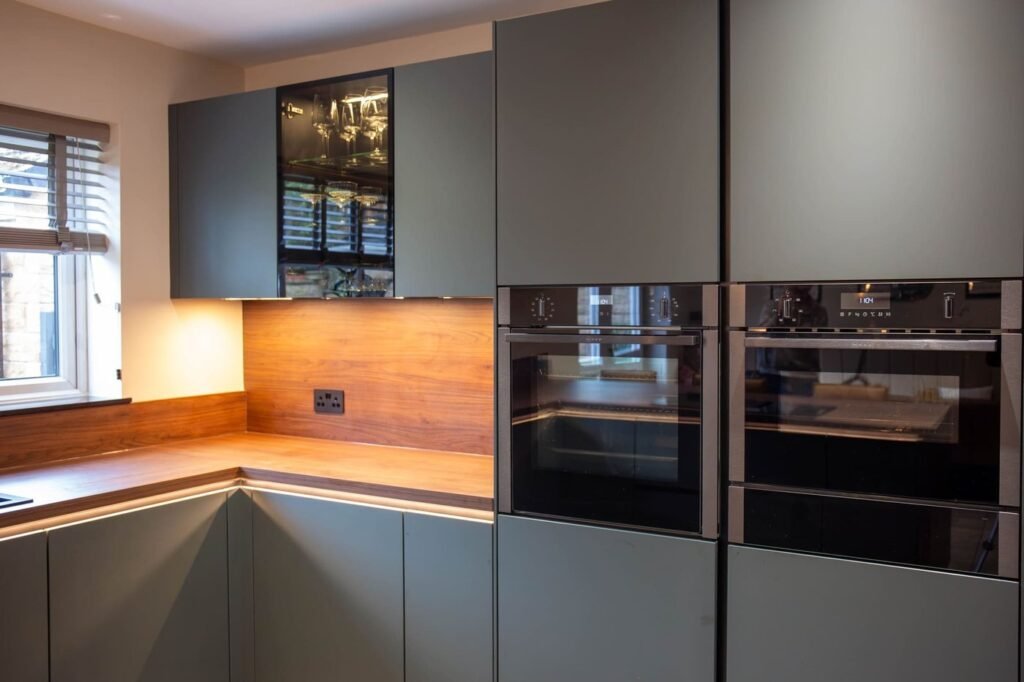
A new kitchen is the most expensive single room in the house to renovate — and the one with the most confusing pricing. One company quotes £8,000, another quotes £35,000, and both claim to be selling you ‘a kitchen’. The difference is in what’s included, the quality of the units, and how much of the work is actually covered.
Here’s how much it costs to fit a new kitchen in the UK in 2026, broken down honestly: what budget, mid-range and premium kitchens really cost, where the money goes, and the decisions that save (or cost) thousands.
How much does it cost to fit a new kitchen in the UK: the headline numbers
Budget kitchen (flat-pack units, laminate worktops, keeping the same layout): £6,000–£12,000 all-in, including fitting. Mid-range (better units, quartz or solid wood worktops, some layout changes, new appliances): £14,000–£25,000. Premium/bespoke (in-frame cabinetry, stone worktops, top-end appliances, structural changes): £30,000–£60,000+. The average UK kitchen renovation lands around £15,000–£20,000.
The layout question dominates the budget. Keeping the sink, cooker and plumbing where they are saves £2,000–5,000 in plumbing and electrical work alone. Moving the kitchen to a different part of the house — or knocking through for open plan — adds £5,000–15,000 in building work before you’ve bought a single unit. If your budget is tight, the existing footprint is your friend.
- Budget: £6k–£12k | Mid-range: £14k–£25k | Premium: £30k–£60k+.
- Keeping the existing layout saves £2k–£5k in plumbing/electrics.
- UK average: around £15k–£20k all-in.
Where the money actually goes
Roughly: units and cabinetry 30–35%, worktops 10–15%, appliances 15–20%, fitting/labour 20–25%, and the rest on flooring, tiling, electrics and plumbing. Appliances surprise people — a decent oven, hob, extractor, fridge-freezer, dishwasher and washing machine easily hits £3,000–5,000, and integrated appliances cost 20–30% more than freestanding for the same spec.
Labour is the other shock. A good kitchen fitter charges £200–350 a day, and a full kitchen takes 1–3 weeks depending on complexity. Add electrician (£300–600 for the kitchen circuits), plumber (£400–800), plasterer and tiler, and labour alone is often £4,000–8,000. This is why the cheapest quote isn’t always the cheapest kitchen — a bad fitter costs more to fix than a good one costs to hire.
Cost to fit a new kitchen in the UK: saving thousands
The biggest savings are in sourcing, not skimping. Ex-display kitchens (check eBay and specialist sites) sell at 50–70% off — a £20,000 showroom kitchen for £7,000, often barely used. Flat-pack units from IKEA or DIY sheds, assembled carefully, perform nearly as well as mid-range fitted units at half the price; the carcasses are standardised, and it’s the doors and worktops people actually see.
Time your buy: January and summer sales knock 20–30% off units and appliances. Do the rip-out yourself (a weekend with a crowbar saves £500–800). Keep appliances freestanding rather than integrated where you can. And consider whether you need a full replacement at all — updating your existing cabinets with new doors, handles and worktops can transform a kitchen for £2,000–4,000 instead of £15,000.
- Ex-display kitchens: 50–70% off showroom prices on eBay and specialist sites.
- Flat-pack + premium doors and worktops = the value sweet spot.
- New doors, handles and worktops can transform a kitchen for £2k–£4k.
The hidden costs nobody warns you about
Budget 10–15% contingency, because kitchens hide surprises. Common ones: the wall behind the old units needs replastering (£300–600), the electrics aren’t up to current regs and need a partial rewire (£500–1,000), the floor underneath is uneven and needs levelling (£400–800), or the boiler flue runs through the wall you’re removing (potentially thousands).
Then the living costs: you’ll be without a kitchen for 2–4 weeks. Budget for takeaways, a microwave and a washing-up bowl in the bathroom — or the kindness of relatives. And check whether you need building regs approval: moving a load-bearing wall, new drainage or significant electrical work all need sign-off, and retrospective approval is painful. Your fitter should advise, but the legal responsibility is yours.
- Keep 10–15% contingency — old kitchens hide expensive surprises.
- Budget for 2–4 weeks without a kitchen (takeaways add up).
- Building regs apply to structural, drainage and electrical changes.
Getting quotes and choosing a fitter
Get at least three detailed written quotes, and make sure they’re quoting like-for-like: same units, same appliances, same scope of work. A quote that just says ‘fit kitchen: £8,000’ is worthless — you need itemised labour, and clarity on who supplies what (units, appliances, tiles, paint) and who does the plumbing, electrics and plastering.
Check references properly: visit a previous job if you can, or at least see photos and speak to the client. Ask how they handle the rip-out, dust protection and waste disposal. Agree a payment schedule — never pay more than 30% upfront, and hold back 10% until snagging is complete. A good fitter welcomes this; a bad one resists it. And for the finishing touch, our guide to tiling a splashback yourself can save you £300–500 on the final detail.
A new kitchen costs what you decide it costs — £8,000 if you’re clever with flat-pack and ex-display, £20,000 for the comfortable middle, £40,000+ if you want it all. The rules are simple: keep the layout if you can, source smart, get itemised quotes, hold back the final payment, and always keep contingency. Get those right and the most-used room in your house will also be the best value renovation you ever do. A final thought on value: the kitchen is the room that most affects a home’s sale price, and agents consistently rank it the highest-return renovation — but only when the spend matches the property. A twenty-five-thousand-pound kitchen in a modest house will not return its cost; in an expensive one it will. As a rough guide, spend five to ten per cent of the home’s value on the kitchen: enough to transform it, not so much that you are donating to the next owner. And keep every receipt and guarantee in one folder — a documented new kitchen with warranties is a genuine selling point. For independent kitchen cost research, Which?’s kitchen guides benchmark what you should expect to pay.