Best Home Improvements That Add the Most Value UK
The best home improvements that add the most value UK: loft conversions, kitchens, energy efficiency ranked by return — plus the projects that never pay back.
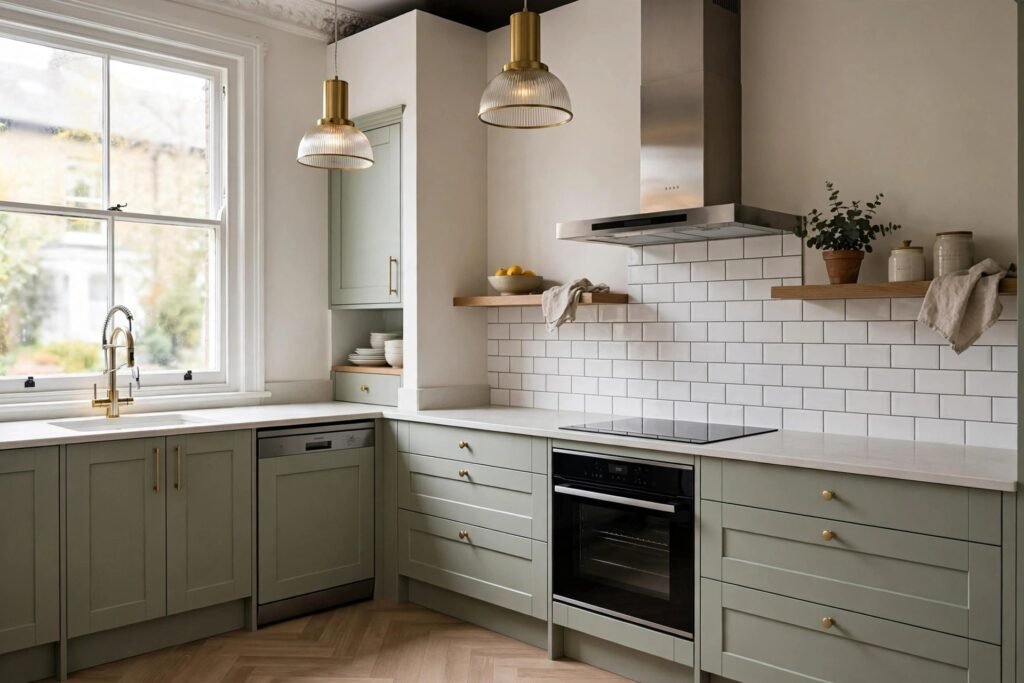
Not all home improvements are created equal. A £25,000 kitchen extension can add £40,000 to your home’s value; a £25,000 swimming pool can add nothing — or actively deter buyers. With British homeowners spending billions on renovations yearly, knowing which projects build equity and which just build enjoyment is the difference between an investment and an expensive hobby. Here’s what the evidence says.
The Improvements That Consistently Add Value
1. Loft conversions (the value champion)
Adding a bedroom and bathroom in the loft typically costs £30,000–£60,000 and adds 15–20% to the property’s value — often £40,000–£80,000 on an average UK home. It works because it adds the thing buyers pay most for: bedrooms. The maths is strongest where ceiling prices allow it — converting a three-bed to a four-bed in an area where four-beds command a premium. Check permitted development rights first, and be aware that in conservation areas or listed buildings you’ll need full planning permission.
2. Kitchen upgrades (the heart of the sale)
Estate agents consistently rank kitchens as the room that sells houses. You don’t need a £30,000 designer kitchen — a £5,000–£10,000 refresh (new worktops, cabinet fronts, modern appliances, good lighting) often delivers the best return ratio. The key insight: buyers overvalue kitchens emotionally, so even modest improvements disproportionately affect offers. Avoid ultra-bespoke designs; mainstream taste sells.
3. Bathroom additions and upgrades
A second bathroom — even a small ensuite carved from a large bedroom — is transformative for family buyers. The cost (£5,000–£12,000) is modest relative to the appeal. Simply modernising a dated avocado suite to clean white fittings pays for itself in saleability if not always in raw valuation.
4. Energy efficiency (the rising star)
This is the fastest-growing value factor in the British market. With minimum EPC standards tightening for rentals and buyers increasingly energy-conscious, improvements like insulation, double glazing, efficient boilers and solar panels add both value and saleability. The EPC register on GOV.UK lets you see your home’s current rating and recommended improvements. The Energy Saving Trust provides independent guidance on which measures pay back fastest — loft insulation and draught-proofing routinely top the list for return on investment.
5. Kerb appeal and gardens
Buyers decide within seconds of seeing a property. A tidy front garden, fresh exterior paint, a decent front door and clean windows cost hundreds and affect offers by thousands. Rear gardens matter too — defined zones (dining, lawn, planting) photograph well and extend the perceived living space. Landscaping is one of the cheapest value-adds per pound spent.
6. Extra living space (extensions and conversions)
Beyond lofts, adding genuine living space pays: single-storey rear extensions creating open-plan kitchen-diners (the layout modern buyers expect), garage conversions (a £10,000–£15,000 conversion adding a home office or playroom), and conservatories (less valuable than proper extensions, but cheaper — ensure they’re usable year-round with proper roofing and heating, or buyers discount them). The key principle: the space must feel like part of the house, not bolted on. Proper insulation, matching finishes and good flow between old and new separate value-adding extensions from expensive afterthoughts. Always verify permitted development limits or secure planning permission first — an unauthorised extension is a liability, not an asset.
The Improvements That Rarely Pay Back
Swimming pools. In Britain’s climate, pools cost £30,000–£80,000 to install, thousands yearly to maintain, and appeal to a minority of buyers while deterring families with small children. They almost never add net value.
Over-personalised luxury. The £20,000 home cinema, the built-in aquarium, the ultra-niche design scheme — these reflect your taste, not the market’s. Valuers ignore them; some buyers see removal costs.
Extensions that unbalance the house. A huge kitchen-diner extension on a two-bedroom house creates a disproportionate property — impressive kitchen, inadequate bedrooms. Value follows bedroom count more than floor space.
DIY electrics and structural work. Beyond the safety issues, uncertified electrical work (which legally requires compliance — see our guide to rewiring costs) actively reduces value when surveys flag it. Professional certification isn’t optional for value-adding work. Similarly, exterior maintenance matters — see the cost of replacing guttering before surveys flag it.
The Ceiling Price Rule
The single most important concept: every street has a ceiling price — the maximum buyers will pay regardless of specification. Spending £80,000 improving a house on a street where nothing sells above £350,000 is charity, not investment. Before any major project, ask three local estate agents for the ceiling price of finished properties on your street. If your planned spend pushes the total above it, scale back or accept you’re spending for pleasure, not profit.
Planning Permission: The Value Killer Nobody Budgets For
Many value-adding projects need permission — and retrospective permission for work already done is stressful and uncertain. Permitted development covers many loft conversions and modest extensions, but rules have nuances (especially for flats, conservation areas and listed buildings). Check with your local planning authority before spending a penny. Unauthorised work can make a property unsellable until regularised — the opposite of adding value.
The Bottom Line
The improvements that add most value share a pattern: they add bedrooms or bathrooms, improve energy efficiency, or transform the rooms buyers care about most (kitchen, bathrooms, kerb appeal) — all while respecting the street’s ceiling price. Loft conversions top the financial ranking; energy efficiency tops the rising trend; kerb appeal tops the return-per-pound ranking. Spend where the market pays, enjoy where it doesn’t — just know which is which before the builders arrive. And if you’re selling rather than improving, timing matters too — spring typically brings the strongest buyer demand.
Frequently Asked Questions
Do I need planning permission for a loft conversion?
Often not — many fall under permitted development rights. But there are volume limits, and flats, maisonettes, listed buildings and conservation areas have different rules. Always verify with your local authority before committing; a lawful development certificate provides certainty for future sales.
How much value does a new kitchen add?
Typically 5–10% of the property value for a well-executed mid-range kitchen, though much of this is improved saleability (faster sale, stronger offers) rather than pure valuation uplift. Ultra-expensive kitchens rarely return their cost proportionally.
Are solar panels worth it for house value?
Increasingly, yes. Beyond the energy bill savings, solar installations now positively affect buyer perception and EPC ratings. Owned panels (not leased) are the value-add; leased panels with long contracts can complicate sales.
Should I renovate before selling or sell as-is?
Light cosmetic work (decorating, garden tidy, minor repairs) almost always pays. Major renovations before selling rarely return their full cost — buyers prefer to choose their own finishes, and you’ll never capture the full value of work done to someone else’s taste. Fix what’s broken; don’t rebuild what’s dated.
How do I find reliable builders?
Personal recommendations beat everything — ask neighbours, friends and local community groups. Check the Federation of Master Builders for accredited members, always get three written quotes, verify insurance, and never pay large sums upfront (staged payments tied to completed work are standard). A builder who can start tomorrow is a red flag, not a bonus — good builders are booked weeks ahead. And get everything in writing: scope, timeline, payment schedule and how changes are handled. A written contract protects both sides and prevents the disputes that sour so many projects.