How to Plan a Long Road Trip Across the UK
Plan a UK road trip: classic routes with realistic mileages, best months to go, car preparation, booking strategy, packing, budgeting and kids-or-dog tips.
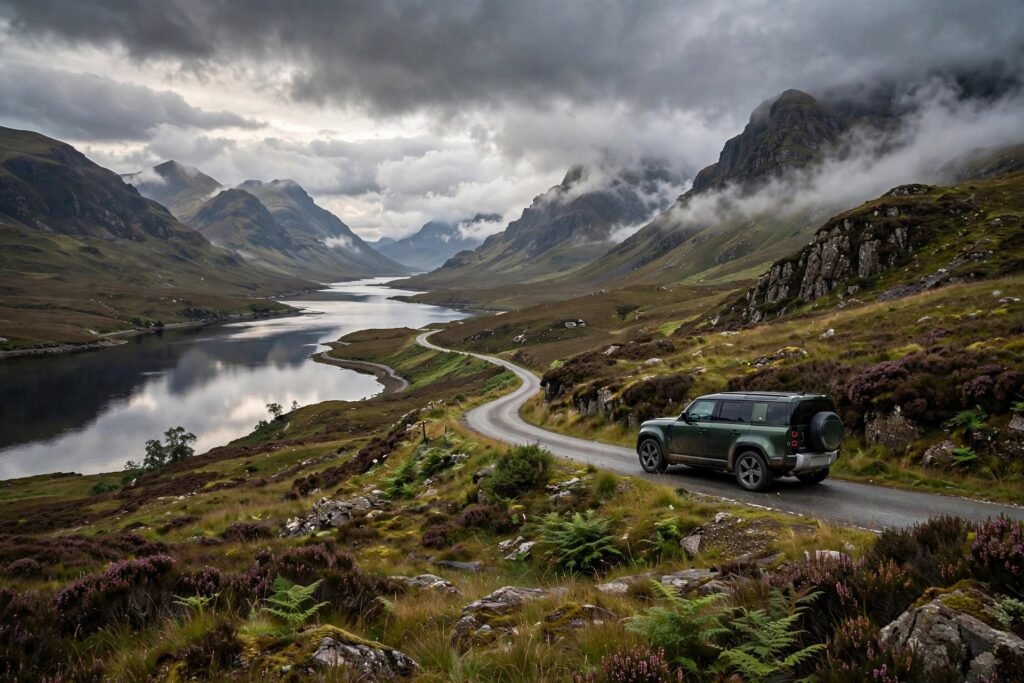
There’s a particular magic to the great British road trip: the Lake District’s passes, the North Coast 500’s single-track drama, Cornwall’s coastal lanes, the Causeway Coast’s cliffs. But the difference between a legendary journey and an expensive ordeal of wrong turns, booked-out B&Bs and a smoking engine in the Cairngorms is planning. A long UK road trip rewards preparation more than almost any other holiday — the distances are modest, but the variables (weather, narrow roads, seasonal closures, midges) are many. Here’s how to plan one properly.
Choose Your Route (and Be Realistic About Distance)
Britain’s classic long-distance routes:
- North Coast 500 (Scotland): the famous 516-mile loop from Inverness. Stunning, but single-track roads mean 500 miles takes far longer than you think — allow 5–7 days minimum, not a long weekend.
- Atlantic Highway / South West: Cornwall, Devon, Somerset — coastal roads, cream teas, and summer traffic that doubles journey times. Go in May/June or September.
- Lake District + Yorkshire Dales: compact, dramatic, doable in 3–4 days. Hardknott and Wrynose passes are not for nervous drivers or wide cars.
- Wales: Snowdonia to Pembrokeshire: castles, mountains, coastline — hugely underrated, quieter than the honeypots.
- The Causeway Coastal Route (Northern Ireland): Belfast to Derry via the Glens — 120 miles of some of Britain’s finest driving.
- Grand tour: Land’s End to John o’ Groats is ~870 miles — the ultimate, needing 10–14 days to enjoy rather than endure.
The golden rule: plan half the daily mileage you think. 150 miles on A-roads and single-track lanes is a full, tiring day; 200+ is a slog. Build in rest days and buffer days — weather, breakdowns and “let’s stay another night” moments. For Scottish adventures specifically, our Scotland without a car guide offers useful context on the terrain (even though you’re driving).
When to Go: Timing Is Everything
- May–June: the sweet spot — long days, decent weather odds, before school-holiday crowds and prices. Midge season starts in the Highlands (pack repellent).
- September: second sweet spot — warm seas, quieter roads, harvest colours. Many B&Bs drop prices.
- July–August: best weather odds, worst crowds and prices. Cornwall and the Lakes in August require booking months ahead — and patience in traffic.
- October–April: dramatic, empty, cheap — but short days, unpredictable weather, some attractions and passes closed. Winter driving skills essential (see our winter driving guide).
Check school holiday dates even if you don’t have kids — they dictate prices and crowds everywhere. And if the driving bug extends abroad, driving in France is the natural next adventure.
The Car: Preparation Prevents Disaster
A long trip finds every weakness your car has. Two weeks before:
- Full service or health check: oil, coolant, brakes, tyres (including the spare), battery, wipers, lights. Breakdowns in remote Scotland are expensive and slow to resolve.
- Breakdown cover with national recovery: verify it includes onward travel/home recovery — being towed to the nearest garage 200 miles from your B&B is not a holiday.
- Tyre check: pressures (including full-load pressures if packed heavy), tread, and know how to change to the spare.
- Fuel strategy: in remote areas (Highlands, mid-Wales), fill up when you see fuel — stations can be 50+ miles apart. Never let it drop below quarter tank.
- EV drivers: plan charging stops with Zapmap, favour hotels with destination charging, and build buffer into each leg. The network is good on main routes, thin in the far north-west.
The RAC and AA both publish road-trip checklists worth running through.
Accommodation: The Booking Strategy
For popular routes in season, book ahead — the NC500’s accommodation famously sells out months in advance, and “we’ll find something” ends in expensive desperation or long detours. Strategy:
- Mix it up: B&Bs for character, a hotel night mid-trip for laundry and rest, maybe a bothy or campsite for adventure. Variety keeps long trips fresh.
- Book refundable where possible: weather and whims change plans; flexibility is worth a small premium.
- Location over luxury: a basic B&B on the route beats a fancy hotel 40 minutes off it. Minimise backtracking — route efficiency is trip happiness.
- Consider a staycation base: for less driving-intense trips, basing in one spot and doing day loops works beautifully — our staycation planning guide covers the art.
The National Trust and VisitBritain sites are goldmines for route-adjacent attractions and places to stay.
Packing, Budgeting and the Practicalities
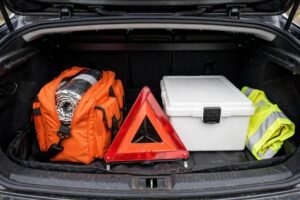
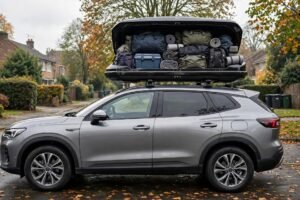
Pack: layers (British weather changes hourly), waterproofs always, walking boots, a proper paper map or offline maps downloaded (signal dies in the glens), a cool bag, reusable water bottles, a basic toolkit, jump leads, torch, and snacks — hangry drivers make bad decisions. A dashcam is cheap insurance against disputed incidents.
Budget realistically: fuel (£150–£300 for 1,000 miles depending on car), accommodation (£80–£150/night for decent B&Bs — the biggest cost), food (£40–£60/day), attractions and parking (£10–£20/day). A week-long trip for two typically runs £1,200–£2,000 all-in. Track spending daily — road trips leak money through coffees, souvenirs and “just one more” pub lunches.
Driving etiquette: on single-track roads, use passing places properly (pull in on your left, or wait opposite if the place is on your right), acknowledge with a wave, and never park in passing places. In the Highlands, sheep have right of way in practice if not in law.
Road Tripping With Kids or Dogs
Children transform road trip planning: halve your daily mileage expectations, plan stops every 90 minutes (playgrounds, beaches, farm shops — the journey becomes the holiday), pack the entertainment arsenal (audiobooks are the secret weapon — a full Harry Potter audiobook covers days of driving), and book accommodation with space to burn off energy. Dogs are easier than kids in many ways but need their own planning: check accommodation pet policies before booking (many rural B&Bs welcome dogs; some don’t), pack familiar bedding and food, plan walks into each day’s route, and never leave a dog in a car in warm weather — even British “warm” can be dangerous. Both kids and dogs do best with routine amid the adventure: regular meal times, regular stops, and no 10-hour driving days.
Conclusion
A great UK road trip is planned around realistic daily mileages, timed for May/June or September, run in a serviced car with proper breakdown cover, booked ahead on popular routes, and packed for four-seasons-in-a-day weather. Do that, and Britain’s roads deliver one of the world’s great driving holidays — no airports, no jet lag, just you, the car, and 500 miles of extraordinary coastline. The only real risk is that you’ll start planning the next one before this one ends.
Frequently Asked Questions
How long does the North Coast 500 take?
Allow 5–7 days minimum for the 516-mile loop — single-track roads and endless photo stops make it far slower than the mileage suggests. Rushing it in 3 days misses the point entirely.
What is the best month for a UK road trip?
May–June or September: long days, decent weather odds, fewer crowds and lower prices than July–August. Avoid peak school holidays unless you’ve booked far ahead.
How much does a week-long UK road trip cost?
Typically £1,200–£2,000 for two people all-in: £80–£150/night accommodation (the biggest cost), £150–£300 fuel for ~1,000 miles, plus food, attractions and parking.
Can you do a road trip in an electric car in the UK?
Yes — the rapid charging network covers main routes well. Plan stops with Zapmap, book hotels with destination charging, and allow buffer in remote areas (far north-west Scotland remains thin). Home-charge before departing.
Do I need to book accommodation ahead on the NC500?
In season (May–September), absolutely — months ahead. Accommodation along the route is limited and sells out. Out of season you can be more spontaneous, but always have a backup plan.