
How to Travel Around Scotland Without a Car
Travel around Scotland without a car: scenic rail lines, the buses that reach the glens, walk-on ferries and the smartest car-free bases.
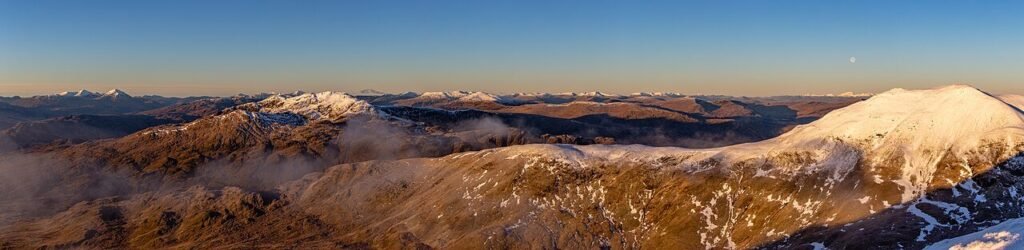
Scotland without a car sounds daunting — those glens look made for road trips. But Scotland has one of the world’s great rail journeys, decent buses, and ferries to the islands, making car-free travel not just possible but genuinely delightful. Here’s how to travel around Scotland without a car.
The mindset: slower is better here
Car-free Scotland means fewer places, deeper. Instead of racing round the NC500, base yourself in 2–3 spots and explore properly. The train journeys are the sightseeing — the West Highland Line is routinely voted among the world’s most scenic railways. Embrace the pace; it’s the point.
How to travel around Scotland without a car
The trains: Scotland’s scenic superpower
- West Highland Line (Glasgow–Mallaig): the essential journey — Rannoch Moor, the Glenfinnan Viaduct (the Harry Potter one), ending at Mallaig for the Skye ferry. Book the Caledonian Sleeper from London to Fort William and wake up in the Highlands.
- Far North Line (Inverness–Wick/Thurso): remote, wild, and wonderfully empty — flow country, sea cliffs, the far north coast.
- Kyle Line (Inverness–Kyle of Lochalsh): across to Skye’s doorstep, via some of Scotland’s prettiest glens.
- Borders Railway (Edinburgh–Tweedbank): the easy day trip — abbeys, Scott’s Abbotsford, tweed towns.
Book Advance tickets via ScotRail — and read our cheap train tickets guide for the fare hacks. The Spirit of Scotland Travelpass (4 days in 8 for ~£150) covers trains, buses and some ferries — excellent value for multi-base trips.
Buses: the unsung heroes
Scottish Citylink connects the cities and major towns reliably and cheaply — Edinburgh–Inverness from £15–£25. For the Highlands and islands, local buses (Stagecoach North Scotland, West Coast Motors) reach villages trains don’t — they’re infrequent (sometimes 2–3 a day), so plan around timetables, not whims. Shiel Buses run the stunning Glenelg–Skye route. Always check Sunday services — rural Sunday buses are sparse to non-existent.
Ferries: the island network
CalMac ferries connect the Clyde and Hebrides — many are walk-on friendly, and island buses meet the main ferries. Key car-free island trips: Mallaig–Armadale (Skye), Oban–Mull (then the bus to Tobermory/Fionnphort for Iona), Uig–Lochmaddy (North Uist) for the Uist chain, and Aberdeen–Kirkwall/Lerwick (NorthLink — the overnight ferry is an adventure in itself). Foot passenger fares are cheap (£5–£15); island-hopping without a car is completely normal.
Base yourself smart
The car-free strategy: pick bases with good transport links and explore by bus, boat and boot:
- Fort William: West Highland Line terminus, buses to Glencoe and Mallaig, Ben Nevis on the doorstep.
- Oban: “Gateway to the Isles” — ferries to Mull, Iona, Staffa; trains to Glasgow.
- Inverness: the Highland hub — trains north, west and south; buses everywhere; Loch Ness day trips.
- Edinburgh/Glasgow: obvious, but both make superb bases for rail day trips (see our Edinburgh guide).
- Portree (Skye): buses connect the island’s highlights — see our Isle of Skye guide.
Guided tours (the cheat code)
Small-group tours from Edinburgh, Glasgow and Inverness (Rabbie’s, Highland Experience, Timberbush) solve the transport problem entirely — 1–3 day tours to Skye, Loch Ness, Glencoe and the Highlands from £60–£200. The guides’ commentary and local knowledge genuinely add value beyond the driving. For time-pressed car-free travellers, a 3-day Rabbie’s Skye tour is arguably the best-value Highland experience available.
Sample car-free itineraries
5 days — Classic Highlands: Caledonian Sleeper to Fort William → West Highland Line to Mallaig → ferry to Skye (2 nights Portree, island buses) → ferry+bus to Inverness → train to Edinburgh.
7 days — Islands: Glasgow → Oban (2 nights, day trip to Mull/Iona/Staffa) → ferry to Barra → buses up the Uist chain → ferry to Skye → Kyle line to Inverness → Edinburgh.
3 days — Edinburgh + Borders: Edinburgh (2 nights) → Borders Railway day trip (Melrose Abbey, Abbotsford) → Glasgow day trip. Zero stress, maximum Scotland.
Practical tips
- Download offline maps and timetables — Highland phone signal is patchy; don’t rely on live data.
- Pack for the bus: snacks, water, layers, entertainment — rural journeys are long and lovely.
- Book accommodation with cancellation flexibility — weather can reshuffle island plans; ferries do get cancelled.
- Midges: June–August in the west — repellent, head nets for the committed, and our sympathy.
- Talk to people: bus drivers, B&B hosts, ferry staff — Highland hospitality is real, and locals’ advice beats any guidebook.
Car-free Scotland FAQs
Can I do the NC500 without a car? Not really as a continuous route — but you can experience its highlights car-free: the Far North Line covers the northern section, buses serve the east coast, and tours cover the west. Don’t force the NC500 concept; do the pieces that work by public transport.
Is it much more expensive without a car? Car hire in Scotland runs £40–£70/day plus fuel — a week is £400–£600. Trains, buses and ferries for a week run £150–£300 with passes and Advance fares. Car-free is usually cheaper, just slower.
What about luggage? Pack light (see our packing light guide) — you’ll be carrying it on and off buses and ferries. A 40L backpack beats a suitcase on Highland transport.
The Caledonian Sleeper: the romantic option
The overnight train from London Euston to Fort William, Inverness or Aberdeen is one of Britain’s great journeys — dinner in the club car as England slides past, sleep in a berth (£200–£350 return with room), wake up in the Highlands as the sun hits the mountains. It’s not the cheapest option, but it’s an experience in itself and it saves a hotel night. Book the Caledonian Sleeper well ahead — the berths sell out, especially in summer. For the car-free Scotland trip, it’s the perfect opening chapter.
The takeaway
Travelling Scotland without a car means world-class rail journeys, reliable buses, walk-on ferries, smart basing and the occasional guided tour. You’ll see fewer places than drivers — and experience the ones you see more deeply. Book the Sleeper, ride the West Highland Line, and let the landscape come to you. Some journeys are better when someone else is driving — especially when the view’s that good.





1 thought on “How to Travel Around Scotland Without a Car”