How to Remortgage for a Better Deal in 2026
How to remortgage for a better deal in 2026: when to start, comparing true costs beyond the rate, fees to watch, and what to do if your situation has changed.
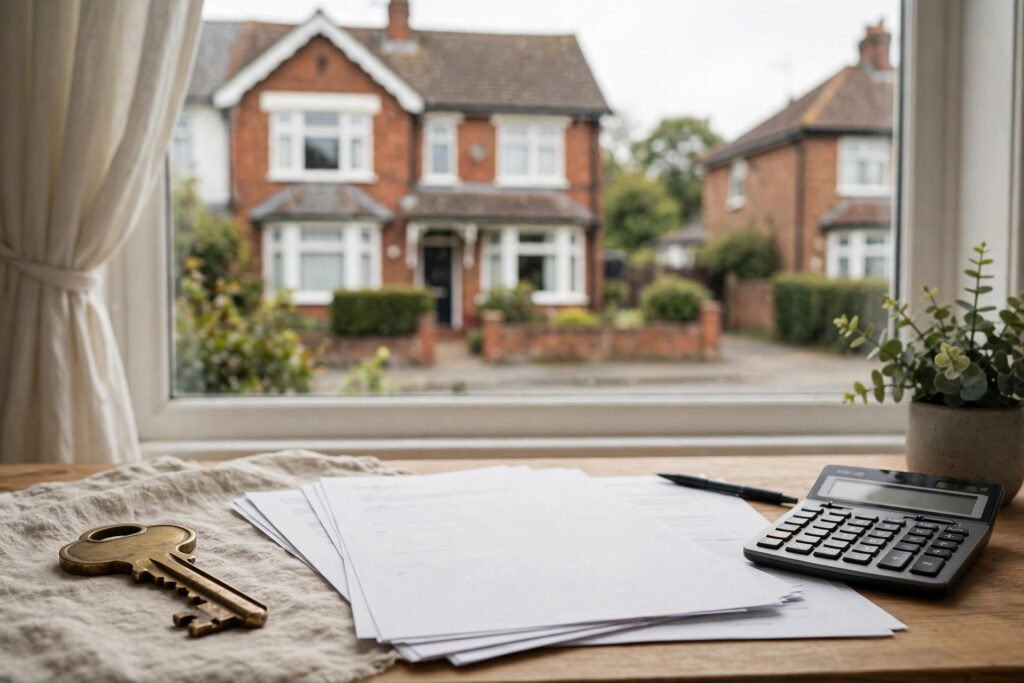
Your fixed-rate mortgage deal is ending. The letter from your lender arrives, quoting a new standard variable rate that makes your eyes water — and suddenly remortgaging jumps to the top of your to-do list. Done well, remortgaging in 2026 can save you thousands: a single percentage point on a £200,000 mortgage is worth around £130 a month. Done badly — wrong timing, ignored fees, the wrong product — it can cost you.
This guide walks through remortgaging step by step: when to start, how to compare deals properly (the rate is not the whole story), the costs and traps, and what to do if your situation has changed since you last borrowed.
When to start: the six-month window
Start looking six months before your current deal ends. Most lenders let you lock in a new rate 3–6 months ahead of your switch date, and many offer free rate switches if deals improve before completion. Waiting until the last month hands all the power to your existing lender’s standard variable rate (SVR) — typically 2–3 percentage points above the best fixed deals, which on a £200,000 balance means paying roughly £300+ extra per month for every month you drift.
Check your current deal’s small print now: the exact end date of the fixed or tracker period, and any early repayment charges (ERCs) if you leave early — typically 1–5% of the outstanding balance in the early years, tapering to zero. Sometimes paying a small ERC to escape to a much better rate still wins; do the maths rather than assuming. Also note your current loan-to-value (LTV): if rising prices or your repayments have pushed you into a lower LTV band (90%, 85%, 80%, 75%, 60%), meaningfully better rates unlock at each threshold.
How to compare deals: beyond the headline rate
The lowest rate is not always the cheapest deal. Compare the true cost over the product period: (monthly payment × months) + arrangement fees + valuation and legal fees − cashback. A 4.2% two-year fix with a £1,495 fee can be more expensive than a 4.35% deal with no fee on a smaller mortgage — the fee amortises badly on balances under ~£150,000. Use the APRC (annual percentage rate of charge) as a rough comparator, but do your own total-cost maths for your balance and term.
Then weigh product features. Fixed rates give payment certainty for 2, 3, 5 or 10 years — the bedrock choice in uncertain times. Trackers follow the Bank of England base rate plus a margin: cheaper when rates fall, painful when they rise, and worth considering when the market expects cuts. Offset mortgages link savings to reduce interest — powerful if you hold large cash balances. And check flexibility: overpayment allowances (usually 10% of the balance per year without penalty), portability if you might move, and whether the deal allows a further advance for home improvements. MoneyHelper’s remortgaging guides walk through the product types with worked examples.
The costs: what remortgaging actually costs
Budget £1,000–£2,500 in total costs, though many lenders now offer fee-free remortgage packages with free valuation and free legal work to win your business. Typical line items: arrangement/product fee (£0–£2,000, often addable to the loan — though that means paying interest on it for decades), valuation fee (£0–£500, sometimes free), legal/conveyancing fees (£0–£600, often covered in remortgage packages), and potential ERCs on your old deal.
The hidden cost is term extension: remortgaging onto a fresh 25- or 30-year term cuts your monthly payment but can add tens of thousands in lifetime interest. If you can afford it, keep your remaining term — or shorten it. A £200,000 mortgage at 4.5%: 25 years costs about £1,111/month and £133,000 total interest; extending to 30 years drops the payment to £1,013 but raises total interest to £165,000. That £98 monthly “saving” costs £32,000. Always compare like-for-like terms.
Should you use a mortgage broker?
For straightforward cases — employed, good credit, standard property — going direct to a lender is fine. But brokers earn their keep in 2026’s market more than ever: they see which lenders are actually lending (criteria tighten and loosen constantly), they access intermediary-only deals not available direct, and they handle the paperwork. Whole-of-market brokers charge either a fee (£300–£500, sometimes refundable) or take lender commission — ask upfront how they are paid.
Use a broker especially if: you are self-employed or have complex income, your credit file has blemishes, the property is unusual (flat above a shop, non-standard construction), or you want to borrow additionally for improvements. A good broker will also tell you when your existing lender’s retention deal beats the market — loyalty sometimes pays. Before applying anywhere, check your credit files and tidy them: even small improvements shift you into better pricing bands. If your property needs work that might affect valuation, fixing damp issues before valuation can protect your LTV band.
If your situation has changed
Life rarely stands still between mortgage deals. Had children, gone self-employed, taken a pay cut, or seen your credit score dip? Lenders assess affordability afresh on every application — they are not obliged to offer you the same deal twice. The self-employed typically need 2–3 years of accounts or SA302s; a recent switch to contracting can complicate things enormously. Get advice early rather than discovering problems at application.
If you are struggling with payments, talk to your lender before missing any — they must offer forbearance options under FCA rules, and the Mortgage Charter commitments give additional protections like payment holidays and term extensions without automatic credit-file damage. Falling onto the SVR because you did nothing is the most expensive option in every scenario. And if you are considering borrowing more for renovations, compare a further advance against a personal loan or credit card — and get realistic costings first, for example what an extension costs per square metre, before borrowing against your home for it.
Conclusion
Remortgaging in 2026 rewards the organised: start six months early, compare total costs not headline rates, watch the LTV bands, keep your term honest, and get broker help if your situation is anything but vanilla. The difference between the best and worst outcomes is thousands of pounds a year — for a few hours of work, it is the highest-paid admin you will do all year. Set a calendar reminder for five months before your next deal ends, and future you will be grateful.
Frequently Asked Questions
When should I start remortgaging?
Around six months before your current deal ends. Most lenders let you secure a rate 3–6 months ahead, protecting you if rates rise while you wait.
Does remortgaging cost money?
Typically £1,000–£2,500 in fees, though many lenders offer fee-free remortgage packages with free valuation and legals. Early repayment charges on your old deal may also apply.
Is a 2-year or 5-year fix better in 2026?
It depends on your view of rates and plans. Shorter fixes suit those expecting rate falls or planning to move; longer fixes suit those wanting payment certainty. Compare total costs, not just rates.
Can I remortgage if I am self-employed?
Yes, but you will usually need 2–3 years of accounts or tax calculations. Specialist lenders and brokers are well worth using for complex income.
Should I extend my mortgage term when remortgaging?
It lowers monthly payments but increases total interest substantially. Keep your remaining term if affordable — extending should be a last resort, not a default.