
What Colours Suit Pale Skin Tones Best?
Pale skin? These are the colours that make you glow, and the ones to wear with care, plus easy outfit combinations.
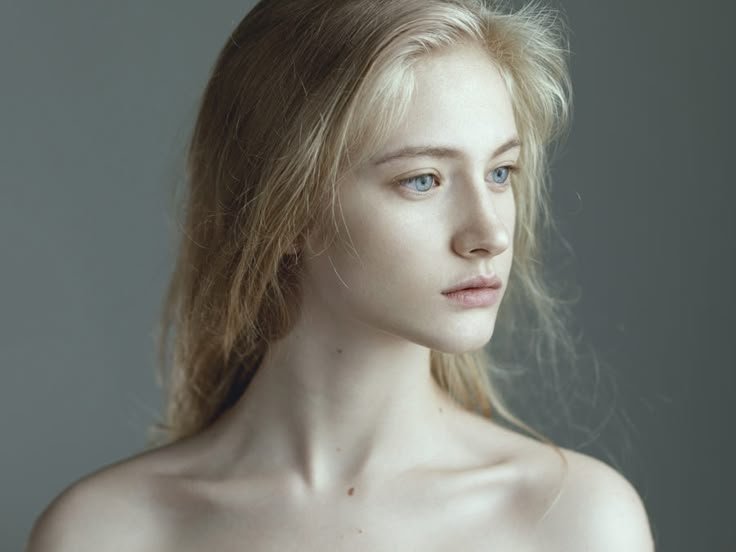
If you’re fair-skinned, you’ve probably had the experience: a colour that looks stunning on your friend washes you out completely, leaving you looking tired rather than radiant. Finding the colours that suit pale skin tones isn’t about restrictive rules — it’s about understanding undertones and learning which shades make your skin glow instead of disappearing against it.
Here’s the liberating truth first: almost no colour is truly “forbidden”. It’s about shade, not colour family — there are good reds and bad reds for everyone. The difference between a colour that flatters and one that flattens is usually subtle, but once you see it, you can’t unsee it.
Know Your Undertone First
Undertone — the subtle hue beneath your skin’s surface — matters more than how pale you are. Quick tests:
- Vein test: blue/purple veins suggest cool undertones; greenish veins suggest warm; a mix suggests neutral.
- Jewellery test: silver flattering = usually cool; gold flattering = usually warm. (Our guide to choosing between gold and silver jewellery goes deeper.)
- White vs cream: stark white brightens cool undertones but can harshly wash out warm ones; cream and ivory flatter warm undertones.
Most pale Britons lean cool or neutral, but warm-toned pale skin absolutely exists (often with freckles and strawberry or auburn hair). Dress for your undertone, not someone else’s idea of “pale”.
The Best Colours for Pale Skin Tones
Jewel tones — the universal winners
Emerald green, sapphire blue, ruby red, deep plum, teal — rich, saturated colours create gorgeous contrast against pale skin. This is why pale-skinned people so often look stunning in jewel tones: the colour does the work, adding warmth and vibrancy the skin doesn’t supply. If you buy one thing after reading this, make it something jewel-toned.
Navy — better than black
Here’s a controversial opinion: harsh black can drain very pale skin, especially near the face. Navy gives you the same sophistication and slimming effect with far more flattery. It’s the workhorse neutral for pale wardrobes — see our guide to colours that go with navy for work outfits for the full playbook.
Earthy warmth
Camel, chocolate brown, terracotta, olive, mustard — warm earthy tones add life to pale skin, particularly for warm undertones. A camel coat on pale skin is one of fashion’s great combinations.
Soft pastels (worn right)
Lavender, powder blue, soft pink, mint — pastels can be beautiful on pale skin but also risky, since very pale pastels against very pale skin can blur into nothingness. The fix: choose pastels with a bit of saturation, and add contrast (darker bottoms, defined makeup, or a bolder accessory).
Colours to Wear With Care
- Neon brights: can overwhelm pale skin — the colour wears you. If you love them, wear them away from the face (trousers, skirts, shoes).
- Pale beige and nude: the wrong nude makes you look naked or ill. Choose nudes deliberately darker or warmer than your skin.
- Stark white: gorgeous on some, draining on others — try cream or ivory if white washes you out.
- Head-to-toe black: fine with contrast (bold lip, statement jewellery), draining without it. Break it up near the face with a scarf or necklace.
- Orange: the trickiest colour for cool pale skin — burnt orange and terracotta are safer than bright tangerine.
None of these are bans — they’re “try before you buy and check in natural light” categories. Shop lighting lies; daylight doesn’t.
The pattern question
Colour applies to prints too. Pale skin often suits prints with good contrast — a navy floral, an emerald stripe — better than tonal, low-contrast patterns that blur. Our guide to wearing patterns without clashing covers the mixing rules.
Makeup and Hair: The Supporting Cast
The right colours extend beyond clothes. A bold lip (classic red, berry, deep plum) transforms pale skin instantly — it’s the fastest flattery trick in existence. Blush prevents the washed-out look that pale skin gets without colour in the cheeks. And hair colour frames everything: if you’re very pale with dark hair (the Snow White combination), you can carry bolder colours than pale-with-blonde-hair can. When in doubt, hold fabric up to your face in daylight — your mirror is the only colour analyst you need.
For broader style inspiration, Vogue UK’s beauty and style coverage regularly features colour analysis and seasonal palettes.
DIY Seasonal Colour Analysis at Home
Professional colour analysis (£100–£300) is lovely, but you can get 80% of the value free with the draping method. You’ll need: natural daylight (near a window, no direct sun), no makeup, hair pulled back, and a collection of fabrics in different colours (scarves, t-shirts, towels — anything).
The method: drape each colour under your chin, one at a time, and observe your face — not the fabric. Good colours make your skin look even, your eyes bright, and shadows diminish. Bad colours emphasise under-eye circles, make skin look sallow or blotchy, and draw attention to themselves instead of you. Photograph each drape (same lighting, same angle) and compare side by side — the differences become obvious in photos even when they’re subtle in the mirror.
What to test
Test pairs, not single colours: warm red vs cool red, camel vs grey, gold vs silver, ivory vs stark white, olive vs emerald. The pattern of which side wins reveals your season: mostly warm winners = spring/autumn; mostly cool = summer/winter; bright/clear winners = spring/winter; muted winners = summer/autumn. Then shop within your winning family. It’s not about restriction — it’s about knowing which shades give you the glow with least effort.
Quick Reference: Colours to Embrace vs Approach With Care
Embrace freely: jewel tones (emerald, sapphire, ruby, amethyst), navy, camel, chocolate, burgundy, forest green, teal, classic red, white (if it suits your undertone), black (with contrast near the face). Approach with care: neon brights (wear away from face), pale beige (check against your skin), stark white (try cream instead), head-to-toe black (break it up), orange (try terracotta first), pastel-on-pastel (add contrast). The golden rule: these are starting points, not laws — hold everything to your face in natural daylight and trust what you see. The colour that makes you look rested and bright is your colour, whatever the charts say. Build your wardrobe around your winners, experiment with the maybes, and don’t let anyone (including this article) talk you out of a colour you love.
The practical takeaway: determine your undertone, lean into jewel tones and navy, wear tricky colours away from your face, and always check in daylight. Colour confidence comes from experimentation, not rules — buy the emerald dress and see.







1 thought on “What Colours Suit Pale Skin Tones Best?”