
How Much Should You Spend on a Good Quality Winter Coat?
Is a £400 coat worth it? What to spend on a winter coat at every budget, and how to spot quality that lasts years.
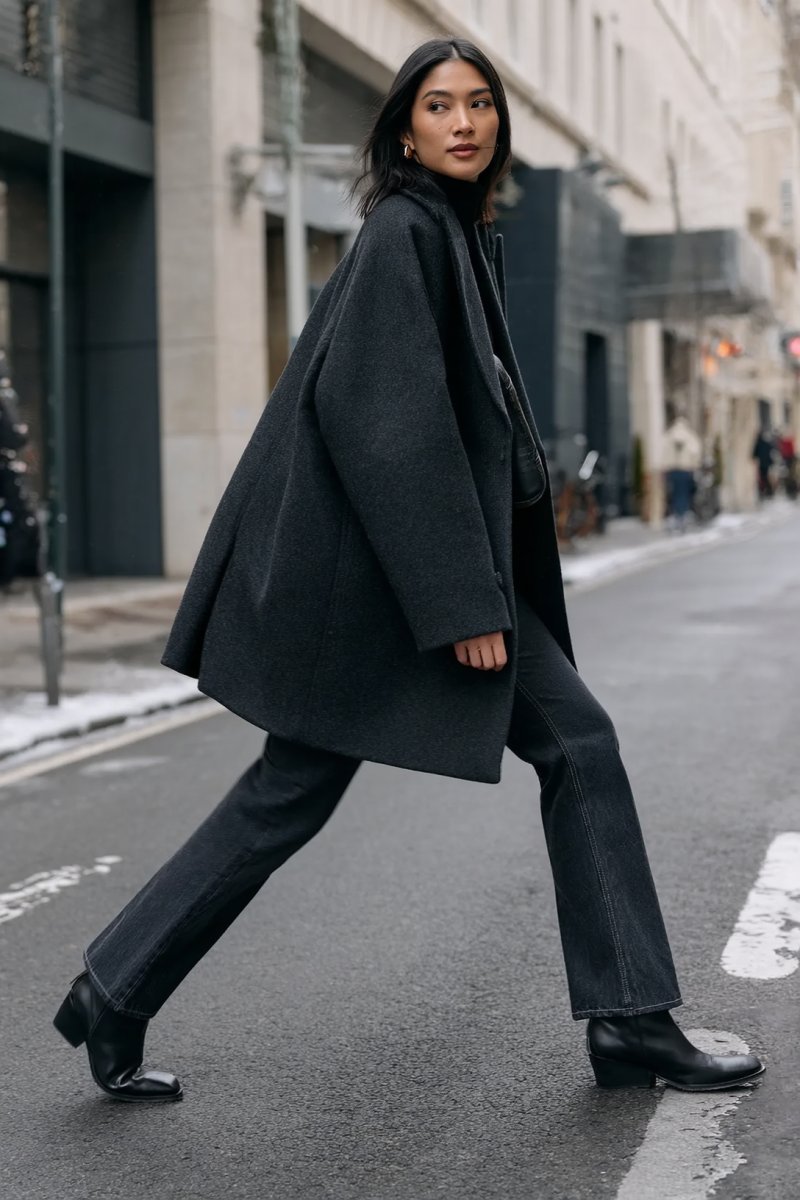
A good winter coat is the hardest-working item in a British wardrobe — worn daily for five months, seen by everyone, photographed constantly. It’s also one of the priciest single purchases most of us make. So how much should you spend on a winter coat? The answer depends on what you’re buying, but there are clear thresholds where quality jumps — and where you’re just paying for a label.
I’ve bought coats at every price point over the years, from £40 fast-fashion to a proper investment piece. The cost-per-wear maths surprised me: the expensive one, worn 150 times a year for six years, cost less per wear than the cheap one that looked tired by February.
How Much to Spend on a Winter Coat: Price Tiers Explained
Under £80: fast fashion territory
Expect polyester-heavy blends, thin linings, plastic-feel buttons and a silhouette that sags by season’s end. Fine as a stopgap or a trendy second coat, but not a workhorse. If this is your budget, buy second-hand instead — £60 buys a far better coat pre-loved than new.
£80–£180: the high-street sweet spot
This is where most Britons buy, and it’s genuinely good value now. M&S, Uniqlo, H&M Premium and COS offer wool-blend coats with decent construction at this level. Look for at least 50% wool content, a proper lining, and reinforced seams. A £120–£150 coat worn for three winters is excellent value.
£180–£400: quality and longevity
The investment zone: better wool (often 80%+), superior linings (cupro/Bemberg rather than polyester), hand-finished details, and cuts that hold their shape. Brands like Reiss, Whistles, Toast and Johnstons of Elgin operate here. A coat at this level should last 5–8 years with care — this is where cost-per-wear gets seriously attractive.
£400+: luxury and heritage
Max Mara, heritage British brands, pure cashmere blends. Beautiful, but diminishing returns kick in hard past £400 — you’re paying for brand, finishing and fabric rarity rather than proportional durability gains. Worth it if you love fashion and can afford it; unnecessary for warmth and longevity alone.
How to Spot a Quality Coat (Whatever the Price)
- Check the fabric composition: the label tells the truth. 70%+ wool (or wool-cashmere) outperforms 100% polyester at any price. Squeeze the fabric — quality wool springs back; cheap blends stay creased.
- Inspect the lining: it should be smooth, fully attached and generously cut. A baggy, pulling lining means a short coat life.
- Test the seams and buttons: tight, even stitching; buttons sewn with a shank (a thread stem) rather than flat; spare buttons included.
- Check the pockets: properly finished, deep enough to be useful, linings intact. Cheap coats skimp here first.
- Move in it: sit down, raise your arms, cross them. A good coat moves with you; a bad one fights you.
Independent testing backs careful label-reading over brand trust — Which? independent buying advice regularly finds high-street items outperforming designer ones on durability.
Getting the Length Right for Your Height
Price means nothing if the proportions are wrong. Coat length dramatically affects how expensive you look: too long swamps petites, too short cheapens talls. Our full guide to choosing the right coat length for your height covers knee vs midi vs full-length for every frame — read it before buying.
When to buy
Timing is money. Buy in October for full choice; buy in January–February sales for 30–50% off (limited sizes, but the bargains are real). End-of-season outlets (Bicester Village et al.) offer previous-season quality coats at high-street prices year-round. And the second-hand market — Vestiaire, Depop, charity shops in affluent areas — is extraordinary for coats, since they’re durable and people donate barely-worn ones.
Making It Last: Coat Care Basics
A £200 coat maintained well outlasts a £400 coat neglected. Brush wool coats after wearing (a clothes brush, £10, removes dust and revives nap). Air between wears rather than washing — wool is naturally odour-resistant. Spot-clean stains promptly. Store on a wide wooden hanger (never wire) with room to breathe, and use cedar blocks against moths. Dry-clean only when genuinely needed — over-cleaning wears fabric faster than wearing does.
Your coat anchors your whole winter look — pair it with the layering techniques in our guide to styling a trench coat for spring (the principles transfer) and the office formulas in smart casual winter office dressing.
Buying Quality Coats Second-Hand: The Smart Money
The best-value coat purchase isn’t new at all — it’s pre-loved. Coats are ideal second-hand buys: durable, often barely worn (people buy aspirationally), and easy to assess. Where to look: Vestiaire Collective and Vinted for designer (authenticated on Vestiaire), charity shops in affluent areas for high-street-plus (the £15 Jaeger coat is real), eBay with careful seller vetting, and vintage shops for character pieces.
What to check: fabric composition on the label (the same wool-content rules apply), lining condition (expensive to replace — reject damaged linings), armpit and collar wear (the failure points), moth holes (hold up to light), zip/functioning buttons, and smell (smoke and mustiness can be stubborn). Budget for dry cleaning (£12–£20) as part of the purchase price — a cleaned second-hand coat feels new. A £40 second-hand wool coat + £15 clean + £12 tailoring = £67 for a coat that outperforms most £150 new ones. That’s the maths that matters.
Trends vs Classics: Where to Put Your Money
Coat trends cycle — oversized one year, cropped the next, belted, double-breasted, technicolour. The smart money largely ignores them: spend on the classic (a well-cut wool coat in camel, navy, black or grey — wearable for a decade regardless of trends) and save on the trend (the fun seasonal shape from the high street or second-hand, worn hard for two winters then moved on). The classic coat is cost-per-wear royalty — £250 over 8 years of daily winter wear is pennies per outing. The trendy coat is entertainment spending — budget accordingly and enjoy it without guilt. One exception: if a “trend” is actually just your taste (you’ve always loved oversized), buy it well — personal classics outlast fashion cycles by definition.
The practical takeaway: £120–£250 at the high street buys a coat that lasts years; £180–£400 buys one that lasts the better part of a decade. Prioritise wool content, lining and construction over brand, buy the right length for your height, and time your purchase for sales or second-hand. Cost per wear is the only price that matters.





2 thoughts on “How Much Should You Spend on a Good Quality Winter Coat?”