Best Used Cars Under £5,000 for New UK Drivers
Best used cars under £5,000 for new drivers in Britain: reliable, cheap-to-insure picks, what to check on the forecourt and traps to avoid. Here’s how to begin.
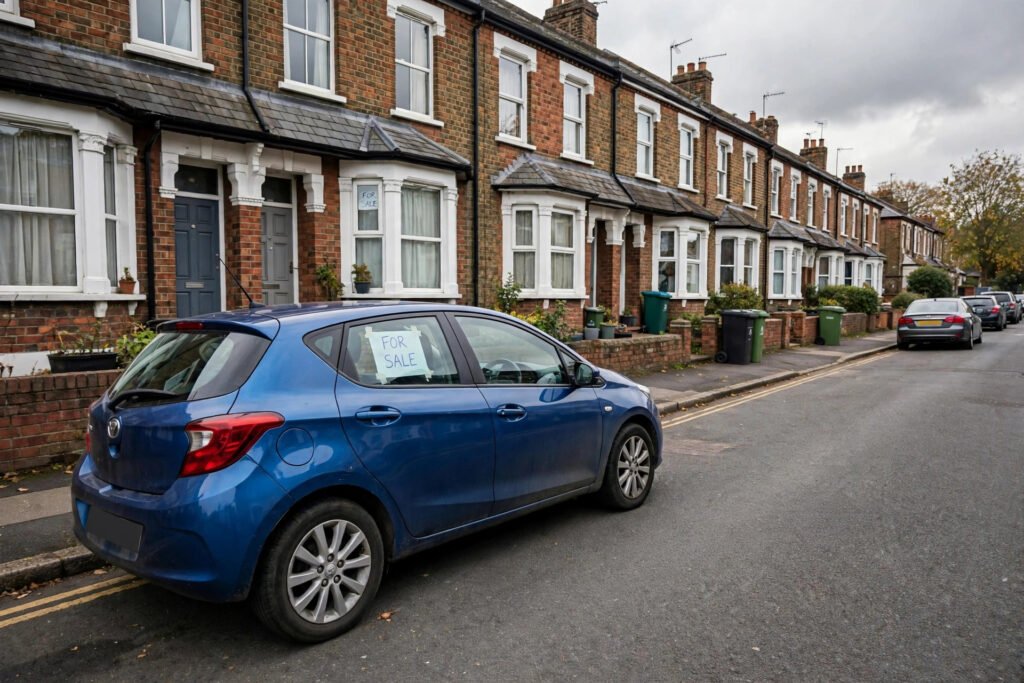
Passed your test, and now the exciting bit: your first car. With £5,000 to spend, you are shopping in the sweet spot of the used market — old enough to be affordable, new enough to be reliable, with insurance groups that will not bankrupt a new driver. But the sub-£5k market is also where the lemons lurk: clocked mileage, hidden accident damage, and worn-out money pits. This guide covers the best used cars under £5,000 for new drivers in Britain — the models to target, what to check, and the traps to avoid.
We will cover what £5,000 buys in 2026, the most reliable picks, insurance-friendly choices, the essential checks before buying, and where to buy safely.
What £5,000 buys in 2026
At this budget you are looking at 8–14 year old superminis and small hatchbacks with 60,000–100,000 miles — the segment where depreciation has done its worst and reliability matters most. Forget premium badges; a well-kept mainstream hatchback will cost you less in every way than a tired German executive car with looming repair bills. Your priorities as a new driver: reliability, cheap insurance (groups 1–10 ideally), reasonable fuel economy, and parts availability.
Be realistic about condition: at £5,000 you are buying honest wear, not perfection. Minor cosmetic blemishes are fine; structural rust, warning lights and patchy service history are not. The best buys are often one-owner cars sold by careful private sellers or through reputable dealers — not the cheapest example of a model, but the best-maintained one. A £4,500 car with full service history beats a £3,500 mystery every time.
The reliable picks: models that just keep going
Certain models have earned legendary reliability reputations at this price point. The Toyota Yaris (2011–2017) is the benchmark — famously durable, cheap to run, and holding value well; the 1.33 petrol is the sweet spot. The Honda Jazz (2007–2015) offers magical interior space and Honda reliability, with the 1.4 i-VTEC the pick. The Suzuki Swift (2010–2017) is light, fun, economical and dependable.
Strong alternatives: the Ford Fiesta 1.25 (2013–2017) — Britain’s best-seller for good reason, with cheap parts everywhere, though check for rust on older ones. The Volkswagen Up! / Skoda Citigo / SEAT Mii trio (2012+) — simple, robust city cars with low running costs. The Mazda 2 (2007–2015) — reliable and nicer to drive than most rivals. The Hyundai i10 and Kia Picanto (2014+) benefit from long warranties that may still partially apply. Avoid at this budget: anything with complex dual-clutch gearboxes, high-performance variants, and French diesels with DPF issues on short journeys.
Insurance: the cost that dwarfs the car
For new drivers, insurance often costs more than the car itself — £1,500–£3,000+ annually is common for 17–21 year olds. Choosing a low insurance group car (1–8) is the single biggest lever: a Yaris or Up! can cost half as much to insure as a “sporty” equivalent. Get quotes before viewing any car — a bargain purchase is no bargain with a £2,800 premium attached.
Cut costs legitimately: add an experienced named driver (a parent — but never “front” by falsely declaring them the main driver, which is fraud), choose a higher voluntary excess you could actually afford, pay annually rather than monthly (monthly payments include interest), and consider telematics (“black box”) policies — unpopular with lead-footed teens, excellent for careful new drivers, often cutting 20–30% off. Park off-road overnight if possible, and keep mileage estimates honest but realistic.
The checks: what to inspect before buying
Never buy without checks. Start with the free ones: the GOV.UK MOT history checker (enter the reg — it reveals every MOT pass, fail and advisory, plus recorded mileages that expose clocking), and a paid HPI-style check (£10–£20) for outstanding finance, write-off status and theft records. A car with finance owing can be repossessed from you; a write-off may be structurally compromised.
On inspection: cold-start the engine (arrive early — a warm engine hides starting problems), check all electrics, look for uneven panel gaps and paint mismatch (accident repair), inspect tyres (uneven wear suggests alignment or suspension issues), check oil (milky = head gasket trouble) and coolant levels, and test-drive for at least 20 minutes including motorway speed — listening for knocks, whines and vibrations. Service history should be stamped and consistent; gaps are negotiating points or walk-away signals. For deeper mechanical confidence, a pre-purchase inspection by the AA or RAC (£150–£200) is money well spent on any £5,000 purchase. GOV.UK‘s guidance on buying a used vehicle lists the legal checks, and the AA offers inspection services and buying advice.
Where to buy (and what to avoid)
Franchised dealers offer the most protection (Consumer Rights Act, warranties) at the highest prices. Independent dealers vary enormously — seek established ones with good reviews and proper premises. Private sellers can offer the best value and the most honest history (ask why they are selling; “bought a bigger car” beats “selling for a friend”), but you have minimal legal recourse, so checks matter most here.
Avoid: curbside sellers with multiple cars on the drive (likely unlicensed traders), sellers who refuse inspections or HPI checks, prices far below market (too good to be true usually is), and pressure tactics (“someone else is coming at 3”). Online marketplaces (Auto Trader, Motors.co.uk) aggregate the most choice — filter by service history and MOT status, and be prepared to travel for the right car. And once bought, learn whether AI can help diagnose car problems before a garage visit — a useful skill for new owners. Celebrate the purchase properly: planning a campervan trip around the NC500 is the dream road trip to work toward.
After you buy: the first-month checklist
The purchase is just the start. In the first month: get the car serviced if history is patchy (a £150 service buys peace of mind), check and adjust tyre pressures, replace wiper blades if streaky, and sort insurance, tax and breakdown cover before driving anywhere. Join an owners’ forum for your model — they are goldmines for known issues and cheap fixes. And drive gently for the first few hundred miles while you learn the car’s quirks; every used car has them.
Conclusion
The best used car under £5,000 for a new driver is a well-maintained Japanese or Korean supermini — Yaris, Jazz, Swift, i10 — with full service history, clean MOT record and a low insurance group. Check everything, insure before you buy, and remember: the cheapest car to own is rarely the cheapest car to buy.
Frequently Asked Questions
What is the most reliable used car under £5,000?
The Toyota Yaris (2011–2017) and Honda Jazz (2007–2015) lead on reliability, with the Suzuki Swift and Hyundai i10 close behind. Prioritise full service history over low mileage.
How can new drivers reduce insurance costs?
Choose insurance groups 1–8, get quotes before buying, add an experienced named driver (never front), pay annually, consider telematics policies, and park off-road overnight.
What checks should I do before buying a used car?
Check MOT history free on GOV.UK, run a paid HPI check for finance/write-offs, inspect cold-start and all electrics, test-drive 20+ minutes, verify service history — and consider an AA/RAC pre-purchase inspection (£150–£200).
Is it better to buy privately or from a dealer?
Dealers offer Consumer Rights Act protection and warranties at higher prices; private sellers can be cheaper with more honest histories but minimal recourse. Either way, run full checks before committing.