Best Dash Cams for UK Drivers 2026
The best dash cams for UK drivers in 2026 — what really matters, top picks from Nextbase, Viofo and Garmin, plus UK legal essentials and installation tips.
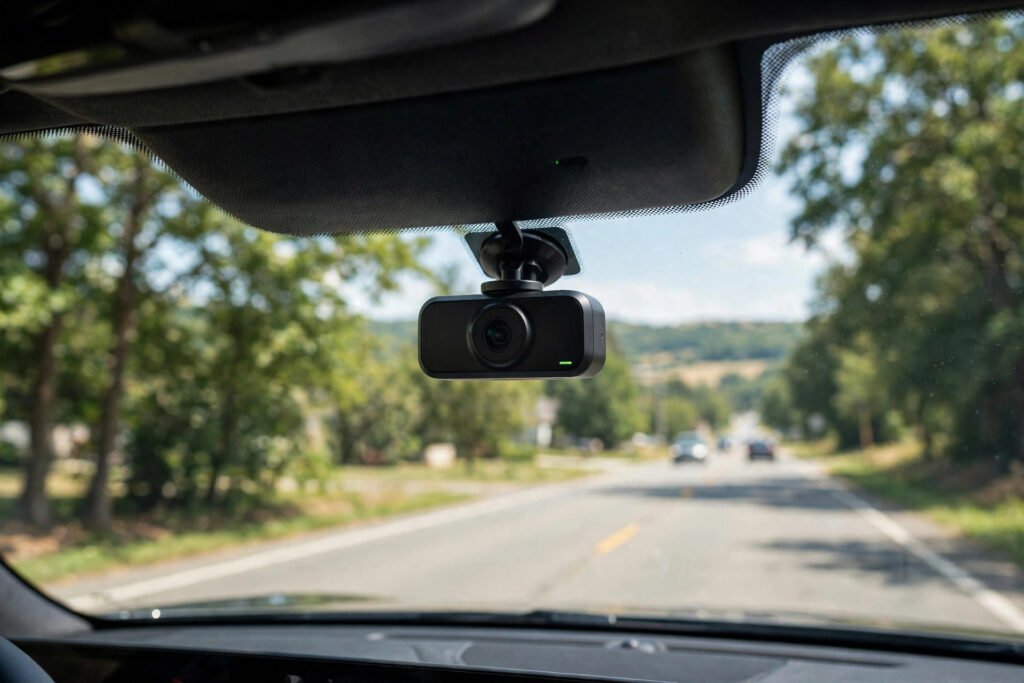
A dash cam is the silent witness every UK driver should have — the difference between a “your word against theirs” insurance nightmare and a 30-second clip that settles everything. With staged “crash for cash” scams still targeting motorists and disputed liability adding hundreds to premiums, a good dash cam pays for itself the first time you need it. Here’s what to look for in 2026 and the models worth your money.
What Actually Matters in a Dash Cam
Video quality: 1440p minimum in 2026 — 1080p struggles to resolve number plates at distance, especially at night. 4K is lovely but doubles file sizes and cost; 1440p with a good sensor is the sweet spot. Night performance matters more than resolution specs: look for Sony STARVIS sensors and wide dynamic range, because incidents love happening after dark.
Field of view: 140–160° covers the road ahead plus peripheral action without the fisheye distortion of wider lenses. Front-only is the minimum; front-and-rear (dual channel) doubles your evidence for rear-end shunts — the most common disputed claim.
Parking mode: motion/G-sensor recording while parked catches hit-and-runs and vandalism. Needs hardwiring (or a battery pack) — cigarette-lighter power dies with the ignition. If you park on-street, this feature alone justifies the purchase.
GPS and G-sensor: GPS stamps speed and location (invaluable for disputing allegations); the G-sensor auto-locks footage on impact so loop recording never overwrites the crucial clip. Both are standard on decent models now — their absence is a red flag.
What doesn’t matter: Wi-Fi app gimmicks you’ll use twice, cloud subscriptions for basic models, and “AI driver alerts” that beep at shadows. Spend the money on sensor quality and reliability instead. Which?’s dash cam reviews test real-world night footage — the spec sheet never tells the full story.
The Best Dash Cams for UK Drivers in 2026
Best overall: Nextbase 622GW
The British market leader for good reason: superb 4K image stabilisation, excellent night performance, Alexa integration, and a genuinely useful emergency SOS feature. The modular design accepts rear and cabin cameras. Around £250–£300 — expensive, but the footage quality in disputed claims justifies it. Nextbase’s UK support network is a real advantage if anything goes wrong.
Best value dual-channel: Viofo A229 Plus
Front 1440p + rear 1440p with Sony STARVIS 2 sensors at around £200 — image quality that embarrasses cameras costing twice as much. No-nonsense reliability, proper parking mode with hardwire kit, and a discreet wedge form factor. The enthusiast’s choice; slightly less hand-holding than Nextbase for beginners.
Best budget: Nextbase 222X
Front-and-rear 1080p for around £100. Night footage won’t win awards, but it’s perfectly usable for evidence, and the Nextbase ecosystem (including the handy MyNextbase Player software) makes footage easy to manage. Ideal first dash cam or second-car unit.
Best discreet: Garmin Dash Cam Mini 3
Tiny enough to hide behind the mirror, 1440p with voice control, around £150. Perfect for drivers who hate windscreen clutter. The compromise: no screen (phone app only) and no rear option — it’s a front-only minimalist.
Whichever you choose, pair it with a high-endurance microSD card (standard cards die fast under constant rewriting) — Samsung Pro Endurance or SanDisk High Endurance, 128GB minimum. For understanding what your car itself can tell you about problems, our guide to diagnosing car issues complements your new electronic witness.
UK Legal Essentials
Where to mount: the windscreen area swept by wipers, outside the driver’s direct line of sight — the GOV.UK Highway Code guidance effectively means behind the rear-view mirror zone. An MOT can fail on obstructed windscreens, so placement matters.
Footage and the law: dash cam footage is admissible in UK courts and routinely used by insurers and police. You can submit footage of offences via the Met Police’s online portal (and equivalents nationwide) — thousands of prosecutions yearly start with dash cam clips.
GDPR: private use is fine; publishing identifiable footage of others online (number plates, faces) without legitimate reason can breach data protection law. Share with insurers and police freely; think twice before the YouTube compilation.
Insurance: some insurers offer dash cam discounts (typically 10–15%), but read the terms — a few require specific models or footage submission clauses. Never buy a policy for the discount alone.
Installation Tips
Hide the cable: route it up into the headlining, down the A-pillar (behind the airbag — never in front of it), and to the 12V socket or fuse box. Hardwiring kits (£20–£30) enable parking mode and free the socket; they’re straightforward DIY with YouTube guidance for your model, or £50–£80 fitted professionally. Format the SD card monthly (in-camera format, not on a PC) to prevent corrupted files when you need them most. And before any long journey, our driving-abroad checklist covers the extra preparation continental trips demand.
Conclusion
The best dash cam for UK drivers in 2026 balances image quality (1440p+, strong night performance), dual-channel coverage if your budget stretches, parking mode for street parkers, and reliable loop recording with G-sensor locking. Nextbase leads on polish and support, Viofo on value, Garmin on discretion. Fit one properly, feed it a high-endurance card, and drive knowing that whatever happens, the truth is on record. It’s the cheapest legal insurance you’ll ever buy.
Hardwiring vs Plug-and-Play: Which Installation?
Most dash cams work fine from the 12V socket — plug in, stick to the windscreen, done. But hardwiring (connecting to the fuse box, £20–£30 for the kit) unlocks parking mode, frees your socket, and hides all cables for a factory-fitted look. The job is genuinely DIY-able: fuse tap kits need no wire-cutting, and model-specific YouTube guides walk through every step in 20 minutes. The one caution is airbags — route cables behind A-pillar trim, never across airbag deployment paths. If electrics terrify you, professional fitting costs £50–£80 at most car audio shops and takes under an hour. Either way, hardwiring transforms a dash cam from an accessory into an always-on guardian — worth it for anyone parking on the street.
Frequently Asked Questions
Are dash cams legal in the UK?
Yes — fully legal for private use. Mount it where it doesn’t obstruct your view (behind the mirror area is standard), and be mindful of GDPR if publishing footage of identifiable people online. Footage is admissible in court and accepted by insurers.
Do dash cams reduce insurance premiums?
Some insurers offer 10–15% discounts for dash cam users, though terms vary. The bigger saving is indirect: footage that proves you weren’t at fault protects your no-claims bonus, which is worth far more than any upfront discount.
Front-only or front-and-rear?
Front-and-rear if budget allows — rear-end collisions are among the most common and most disputed incidents, and a rear camera settles them instantly. Front-only still covers the majority of scenarios and beats no camera completely.
How long does dash cam footage store?
Loop recording overwrites oldest footage continuously — a 128GB card holds roughly 8–12 hours at 1440p. Impact-detected clips are locked and never overwritten. For incidents, save the clip to your phone/computer promptly.
Can dash cam footage be used against me?
Yes — it records your driving too, including speed (if GPS-enabled). Insurers or police could use it if you were at fault. Drive as though it’s always recording, because it is. That’s rather the point.
How do I share dash cam footage with police or insurers?
Save the relevant clip (most cameras let you lock and transfer via app or by removing the SD card), note the date, time and location, and upload through the police force’s online dash cam portal or your insurer’s claims system. Keep the original file unedited — edited footage can be challenged. Most forces now accept submissions online in minutes.