How to Start Living a Zero-Waste Lifestyle: A Practical Path
How to start living a zero-waste lifestyle without the overwhelm: room-by-room swaps, Britain’s best refill shops and mindset shifts that make it stick.
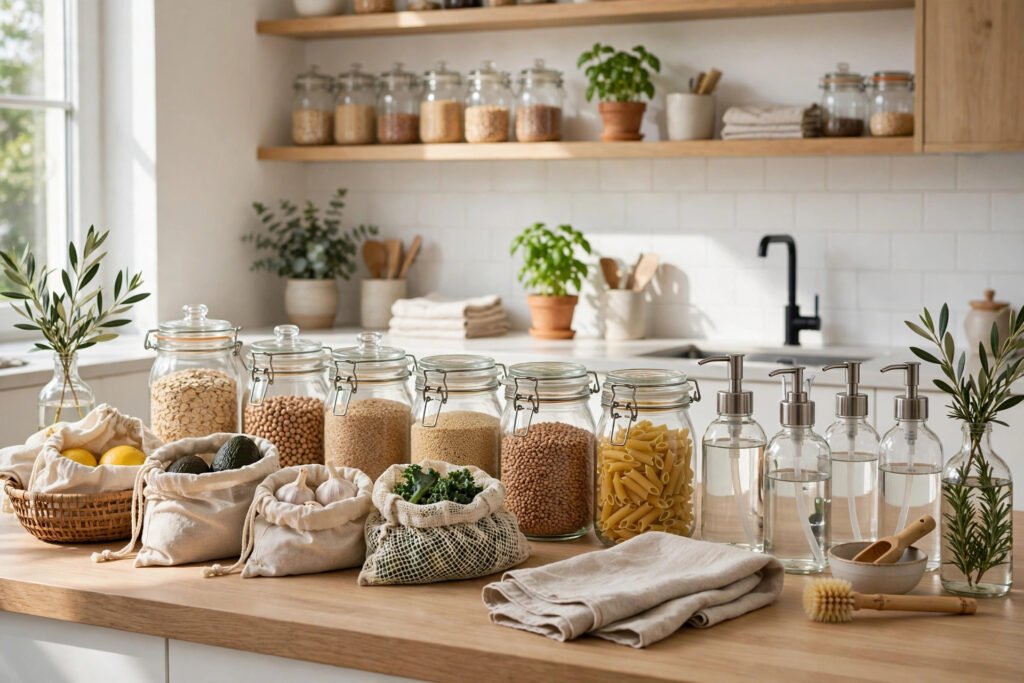
The average Briton generates over 400kg of rubbish a year, and most of us have had the moment: staring into an overflowing bin on collection day, wondering how two people produce this much waste. The zero-waste lifestyle promises an answer: redesigning your consumption so that nothing, or almost nothing, ends up in landfill. It sounds extreme. Done right, it is neither extreme nor joyless; it is simply deliberate.
This guide offers a practical path: the mindset shifts that make it stick, room-by-room swaps, UK-specific resources like refill shops, and honest talk about what zero waste can and cannot achieve.
What “Zero Waste” Really Means
Literal zero waste is nearly impossible in modern Britain; even the movement’s founders admit it. The useful definition is aspirational: sending as little as possible to landfill or incineration by refusing, reducing, reusing, recycling, and composting, in that order. The hierarchy matters: refusing the unnecessary beats recycling the unavoidable.
Think progress, not perfection. A household that halves its waste has achieved something real; guilt about the remaining half helps nobody. The goal is a trajectory, not a trophy.
The Mindset Shifts
First: buy less, but better. The cheapest item is the one you never buy, and the most sustainable product is the one that lasts. Second: value access over ownership; libraries, rental, and sharing beat buying for rarely used items. Third: see “waste” as a design flaw: before binning something, ask what it could become.
Fourth, and hardest: accept inconvenience strategically. Zero waste requires small frictions: carrying reusables, planning shops, making some things from scratch. Choose your frictions deliberately; trying to change everything at once guarantees burnout.
Room by Room: The Kitchen
The kitchen generates most household waste, so start here. Switch to reusables: cloths instead of paper towels, beeswax wraps instead of cling film, containers instead of zip bags. Shop with waste in mind: refill shops for dry goods, cleaning products, and toiletries; the veg box or market for unpackaged produce; the butcher or fish counter with your own containers.
Tackle food waste ruthlessly: plan meals, shop with a list, store food properly, love your leftovers, and compost scraps. Food waste is the highest-impact win available: rotting food in landfill produces methane, and the WRAP waste-reduction guidance shows UK households waste millions of tonnes yearly. Meal planning alone can halve a family’s food waste.
Room by Room: Bathroom and Beyond
The bathroom is the easiest room to transform: bar soap and shampoo bars eliminate bottles, bamboo toothbrushes replace plastic, safety razors replace disposables, and refillable cleaning products cut packaging dramatically. These swaps are mostly one-time purchases that pay for themselves.
The wardrobe deserves attention too: buy second-hand first, choose natural fibres that biodegrade, repair rather than replace, and donate or sell what you no longer wear. Our guides to affordable sustainable fashion brands and buying second-hand designer clothes safely cover the fashion side in depth.
UK Resources That Help
Britain’s zero-waste infrastructure has grown remarkably: refill shops in most towns, zero-waste online retailers for the rest, council food-waste collections in many areas, and the GOV.UK recycling collections guide clarifying what your council actually accepts. Apps identify nearby refill stations and surplus-food outlets. Milkmen have returned in electric floats; veg boxes deliver unpackaged produce to the door.
What Zero Waste Cannot Do
Personal action matters, but honesty requires proportion: around 70% of global emissions come from a small number of industrial sources, and no amount of bamboo toothbrushes offsets that. Zero waste is necessary but insufficient; it must accompany political engagement, voting, and pressure on producers. The most impactful individual actions remain the big ones: flying less, eating less meat, insulating your home.
Also beware the consumption trap: buying a dozen “eco” products you did not need is not zero waste, whatever the packaging claims. The greenest product is usually the one you already own.
Advanced Moves for the Committed
Once the basics are established, deeper cuts await. Composting, whether a garden heap, wormery, or bokashi bin, diverts the heaviest waste stream from landfill. Making your own cleaning products from vinegar, bicarbonate of soda, and castile soap eliminates dozens of plastic bottles yearly. Buying in bulk through wholesalers or co-ops slashes packaging for staples. Cloth nappies and reusable period products eliminate two of the most persistent waste streams; modern versions are unrecognisably better than their predecessors. Growing even a little food, herbs on a windowsill, salad in a pot, reconnects you with the production behind consumption. Each advanced move compounds: the household that composts, refills, and grows wastes a fraction of the average, and the lifestyle starts feeling normal rather than effortful.
Zero Waste With Kids
Children are often the best zero-waste allies and the hardest constraint. Involve them: kids love refill shops, wormeries, and the game of “what can this become?” Cloth nappies, reusable wipes, and hand-me-down networks handle the baby years; older children respond to the environmental logic surprisingly well when it is framed as competence rather than deprivation. School lunches are a major waste source: reusable containers, bottles, and cutlery beat daily disposables. Accept imperfection: birthday parties and school events will generate waste, and that is fine. The goal is a family culture of thoughtfulness, not a performance of purity. Children raised in low-waste households carry the habits for life, which is the longest-lasting impact of all.
The party problem
Children’s parties are waste flashpoints: disposable tableware, plastic favours, wrapping. Solutions that actually work: real plates (ask guests to bring), experience gifts, and favour bags of bulk sweets in paper. Other parents are usually relieved someone went first.
Conclusion
Starting a zero-waste lifestyle is a series of small, deliberate swaps compounded over time: refuse what you do not need, reuse what you have, refill what you can, and compost the rest. Begin in the kitchen, expand at your own pace, celebrate each lighter bin bag, and measure progress in momentum, not perfection. The planet does not need a handful of perfect zero-wasters; it needs millions of imperfect improvers.
Frequently Asked Questions
Is zero waste expensive?
Starting up costs a little (reusables, containers), but the lifestyle saves money overall: buying less, wasting less food, and avoiding disposables all cut spending. Refill shops are often cheaper than packaged equivalents.
Where do I start with zero waste?
The kitchen: tackle food waste through meal planning, switch to reusables for the biggest disposables, and find your nearest refill shop. One room at a time prevents overwhelm.
Can renters live zero waste?
Absolutely; most zero-waste practices need no home modifications. Composting is the main challenge, but wormeries, bokashi bins, and council collections all work in rented flats.
What about zero waste on a tight budget?
Zero waste saves money overall: buying less, wasting less food, and using reusables all cut spending. Start with the free wins, meal planning, refusing packaging, using what you own, before buying any eco products.
How do I handle gifts and packaging from others?
Graciously: thank people, reuse what you can, and recycle the rest. You control your own consumption; policing others’ generosity helps nobody and harms relationships.
Does individual zero waste actually matter?
Yes, but in proportion: it reduces your footprint, normalises sustainable behaviour, and signals demand to producers. Pair it with the big wins (flying less, diet, home energy) and civic engagement for real impact.