
How to Strengthen Knees for Running After 40
Over 40 and worried about your knees? These 7 strengthening exercises and training tweaks keep you running pain-free.
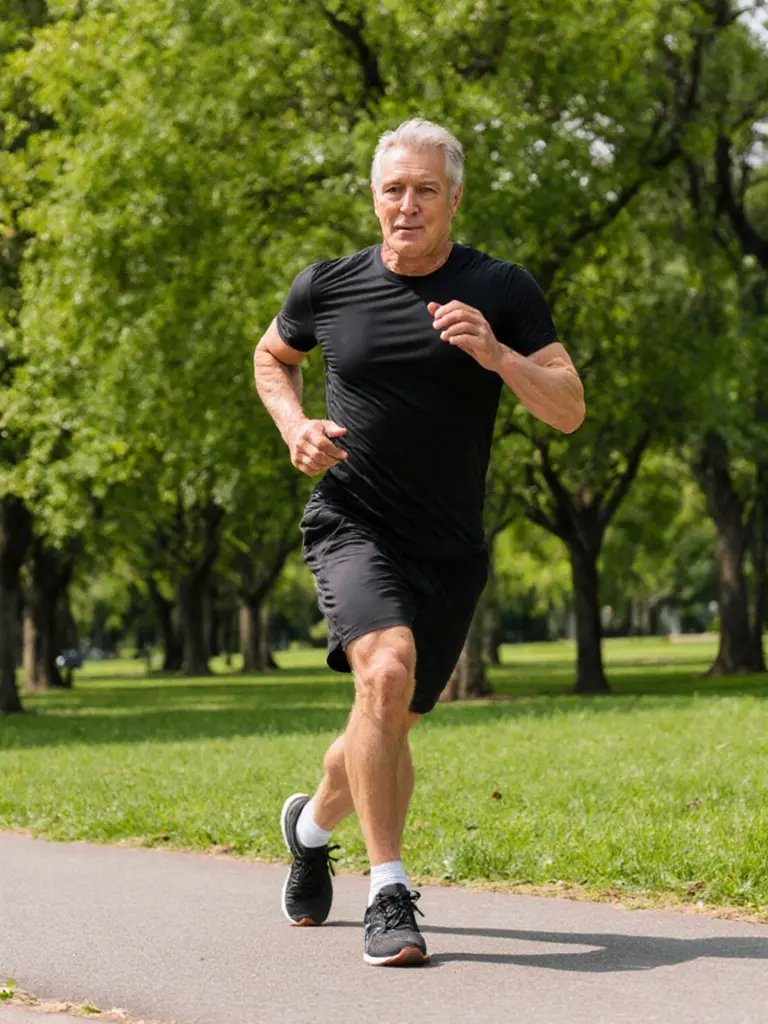
There’s a persistent myth that running wrecks your knees, full stop — and that turning 40 means hanging up your trainers. The truth is more encouraging: runners don’t have more knee arthritis than non-runners, and with the right approach you can strengthen knees for running well into your 40s, 50s and beyond. Your knees don’t have an expiry date; they have maintenance requirements.
I started taking knee strength seriously in my late thirties after a twinge on a downhill turned into three weeks on the sofa. The physio’s verdict was blunt: my knees were fine, my muscles weren’t. Here’s the programme that got me back — and kept me running.
Why Knees Complain More After 40
A few things change with age, none of them deal-breakers. Muscle mass declines gradually from our thirties (sarcopenia, if you want the technical term), which means the muscles supporting your knees — quads, glutes, calves — provide less shock absorption unless you actively maintain them. Tendons get slightly less elastic, cartilage thins a touch, and recovery takes a little longer.
None of this means damage is inevitable. It means the margin for error shrinks: the sloppy training that your 25-year-old body shrugged off now needs more respect. The fix isn’t running less — it’s supporting the running better.
7 Exercises to Strengthen Knees for Running
Do these two to three times a week. No gym required — a resistance band and your bodyweight cover everything.
1. Spanish squats (the knee-bulletproofing classic)
Loop a heavy resistance band behind your knees, anchored to something solid, and squat with your shins vertical. This loads the quads while sparing the knee joint itself — physios prescribe it specifically for runner’s knee. Three sets of 10–15 slow reps.
2. Step-downs
Stand on a step on one leg and slowly lower the other heel toward the floor, keeping your hips level. This builds the eccentric quad strength that controls your knee on downhills — where most running knee pain starts. Two sets of 10 per leg.
3. Glute bridges
Lie on your back, feet flat, and drive your hips up, squeezing your glutes hard at the top. Weak glutes let knees cave inward when you run — the classic injury mechanism. Progress to single-leg bridges when double-leg feels easy. Three sets of 12.
4. Clamshells with a band
Lie on your side, knees bent, band around your thighs, and open the top knee like a clamshell. Unfashionable but brutally effective for the gluteus medius, the muscle that keeps your pelvis stable with every stride. Two sets of 15 per side.
5. Calf raises
Straight-knee and bent-knee versions, off the edge of a step for full range. Strong calves absorb enormous force with every footstrike — they’re your knees’ first line of defence. Three sets of 15, slow and controlled.
6. Split squats
A stationary lunge that builds single-leg strength and balance simultaneously. Keep your torso upright and your front knee tracking over your toes. Two sets of 8–10 per leg. Add dumbbells when bodyweight gets easy.
7. Terminal knee extensions
Band looped behind the knee, anchored behind you, straighten the knee against resistance. This specifically targets the vastus medialis — the teardrop quad muscle above the knee that keeps the kneecap tracking properly. Two sets of 15 per leg.
Smart Training Tweaks for the Over-40 Runner
- Follow the 10% rule loosely: don’t increase weekly mileage by more than about 10%. Boring, but it’s the single best injury predictor.
- Soften your surfaces: mix tarmac with trails, parks and tracks. Varied, softer surfaces reduce repetitive impact.
- Respect downhills: shorten your stride and increase cadence on descents — overstriding downhill hammers the knees.
- Strength train year-round: not just when injured. Two short sessions a week is the maintenance dose.
- Sleep and protein: recovery slows with age, so give it help — 7–9 hours of sleep and adequate protein (see our guide to what to eat before and after a workout).
- Consider your shoes: replace them every 500–800km. Worn cushioning transfers impact straight to your joints.
What about cross-training?
Swapping one run a week for cycling, swimming or rowing maintains fitness while giving knees a break from impact. Many masters runners find this the key to consistency — and if your knees are already grumpy, our roundup of the best low-impact exercises for bad knees keeps you moving while they settle.
When Knee Pain Needs Professional Attention
Dull aches that ease with warm-up and sensible training are usually manageable. But see a GP or physio if you get sharp pain, swelling that doesn’t settle in 48 hours, locking or giving way, pain at rest or at night, or any injury from a twist or fall. The NHS guidance on running safely covers the basics, and a single physio session for a personalised assessment is money well spent.
Cold therapy can help with post-run soreness — see our honest look at the benefits of cold showers for recovery for what the evidence actually supports.
Running Form Tweaks That Spare Your Knees
Strong muscles are half the equation; how you run is the other half. Small form adjustments reduce knee loading significantly:
- Increase cadence slightly: most recreational runners overstride at 150–160 steps per minute. Nudging toward 170–180 (shorter, quicker steps) reduces the braking force that hammers knees. Use a metronome app for a few runs until it feels natural — don’t force a dramatic overnight change.
- Land with your foot under your body: overstriding (foot landing far ahead) is the classic knee-killer. Think “quiet feet” — lighter, quicker contact, less pounding.
- Lean slightly forward from the ankles: a gentle forward lean (not a bend at the waist) lets gravity assist rather than fighting it, reducing braking.
- Relax your upper body: tense shoulders and clenched fists waste energy and stiffen your whole stride. Shake out your hands periodically; drop your shoulders.
The 10% rule for shoes too
Don’t overhaul everything at once — new shoes and new form and more mileage is how injuries happen. Change one variable at a time. And if you’re considering a shift to lower-drop or minimalist shoes after 40, be extremely gradual: calves and Achilles need months to adapt, and the transition has ended more running careers than it’s extended. A gait analysis at a proper running shop (£30–£50, often free with purchase) is the best money you’ll spend — it matches shoes to your mechanics, not a generic ideal.
The practical takeaway: your knees need stronger muscles around them, not less running. Do the seven exercises twice weekly, increase mileage gradually, mix your surfaces, and treat recovery as seriously as the running itself. Forty isn’t the end — it’s just the start of training smarter.







3 thoughts on “How to Strengthen Knees for Running After 40”