Best Coastal Walks in Norfolk
The best coastal walks in Norfolk: Hunstanton to Winterton via seal colonies, marshes and crab shacks. Sections, buses, tides and pubs.
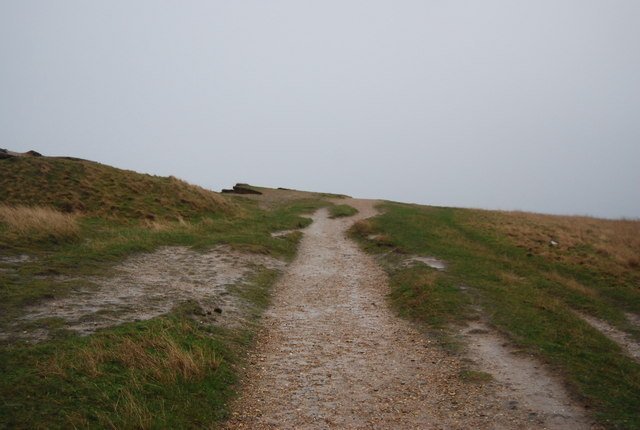
Norfolk’s coastline is 90 miles of big skies, seal colonies, salt marshes and some of England’s most peaceful walking. The Norfolk Coast Path threads it all together — and the day sections are among the finest coastal walks in Britain. Here are the best coastal walks in Norfolk.
The Norfolk Coast Path: the overview
The official trail runs 83 miles from Hunstanton to Hopton-on-Sea, waymarked with the distinctive orange-and-blue acorn. Most walkers do it in day sections — and the Coast Hopper bus (the CH1) runs the whole length, letting you walk one way and ride back. That’s the key to everything: linear walks, no car shuffling. Check the National Trails site for current conditions.
What are the best coastal walks in Norfolk? The essential sections
Hunstanton to Thornham (7 miles) — the classic opener
Start at “Sunny Hunny” with its striped cliffs and rockpools, then east along the beach and coast path to Thornham — crab sandwiches at the village deli (legendary), seals offshore if you’re lucky. Flat, easy, beautiful. The perfect first Norfolk walk.
Thornham to Burnham Overy Staithe (8 miles) — the marsh walk
Salt marsh, creeks, wading birds, and the vast Norfolk sky. The path threads between marsh and farmland with constant birdlife — bring binoculars (the RSPB Titchwell reserve is a short detour and world-class). Ends at the Hero at Burnham Overy Staithe — one of Norfolk’s great pubs, right on the creek.
Wells-next-the-Sea to Stiffkey (6 miles) — beach huts and salt marsh
Wells’ famous beach huts and pinewoods, then the coast path through the salt marshes to Stiffkey — cockles, samphire (in season), and the Red Lion for lunch. Short, varied, and very Norfolk. Extend to Morston (add 2 miles) for the seal-trip boats.
Morston to Blakeney (4 miles, or the seal trip) — the seal walk
Walk the shingle spit to Blakeney Point, or take the seal trip boat (£18–£22, 1 hour — book ahead in summer) to see the UK’s largest grey seal colony (3,000+ seals). The walk itself crosses the freshwater marshes — bring the binoculars. Blakeney village: crab sandwiches, the quay, the best fish and chips debate in Norfolk.
Cley to Sheringham (7 miles) — the wildlife walk
Cley Marshes (Norfolk Wildlife Trust — the visitor centre café has the view), then the shingle ridge to Weybourne and the cliffs to Sheringham. The most “wild” feeling section — marsh harriers, avocets, bearded tits. Sheringham’s 1940s weekend (September) is a bonus if dates align.
Sheringham to Cromer (4 miles) — the cliff walk
The prettiest cliff section — gorse, sea views, the lighthouse at Happisburgh visible ahead. Ends at Cromer: the pier (the last fully working Victorian pier show in England), the famous crab (get the dressed crab from the market, £8–£12), and the clifftop walk back if your legs allow.
Sea Palling to Winterton (6 miles) — the wild east
Dunes, seals (the colony here is growing), and the most remote-feeling stretch. Winterton’s dunes are a National Nature Reserve — grey seals pup here in winter (November–January, viewable from the dunes with the wardens’ guidance). The quietest, wildest section — for walkers who like their coast empty.
Practical Norfolk walking tips
- Tides: several sections (Blakeney Point, the Stiffkey marshes) are tide-affected — check tide times before setting out. The Met Office and local tide tables are essential.
- The Coast Hopper: the CH1 bus is the walker’s lifeline — check the timetable (seasonal variations) and have a backup plan. Our Norfolk cottage guide pairs well for multi-day trips.
- Footwear: the path is mostly flat and easy — trail shoes suffice; full boots unnecessary except in wet winter. But shingle sections (Cley–Weybourne) are ankle-turners — watch your step.
- Weather: Norfolk’s “big skies” mean big weather — sun, wind and rain in one walk. The layering system applies, minus the mountains.
- Dogs: welcome on most of the path; seasonal restrictions on some beaches (check signs). Seals + dogs = keep the lead on near colonies.
Norfolk coastal walk FAQs
What’s the best section for a first-timer? Wells to Stiffkey (6 miles) — varied, beautiful, excellent lunch options, easy logistics. Or Hunstanton to Thornham for the classic introduction.
When’s the best time to walk? May–June (wildflowers, nesting birds, long days) or September (quieter, golden light, seal pups arriving). Winter for the wild, empty drama — and the seal pupping at Winterton/Blakeney.
Can I walk the whole 83 miles? Yes — 5–7 days, with the Coast Hopper and B&Bs making logistics easy. The official guide breaks it into stages. It’s flat, waymarked and achievable for any regular walker.
Where’s the best crab? The eternal Norfolk debate: Cromer’s dressed crab vs Blakeney’s vs Wells’. Try all three and pick a side — it’s the local equivalent of a football rivalry.
The seal colonies: Norfolk’s wildlife highlight
Norfolk hosts two of England’s great wildlife spectacles: the grey seals at Blakeney Point (3,000+ animals, pups born November–January) and the growing colony at Winterton. The boat trips from Morston Quay (£18–£22) get you close without disturbing them; the winter pupping season, viewed from the dunes with wardens, is genuinely moving. Rules: keep 100m+ distance, keep dogs leashed, never come between a pup and the sea. The Norfolk Wildlife Trust runs guided seal walks in pupping season — book ahead, they sell out. Time a winter walk for the seals and the coast gives you its wildest, most memorable show.
The takeaway
Norfolk’s best coastal walks run from Hunstanton’s striped cliffs to Winterton’s wild dunes, with the seal colonies of Blakeney, the marshes of Cley and the crab of Cromer in between. Walk linear sections with the Coast Hopper bus back, check the tides, bring binoculars, and finish every walk in a pub. It’s walking at its most peaceful — no mountains to conquer, just sky, sea and space. Big skies, empty beaches, grey seals — Norfolk’s coast is England’s quiet masterpiece, and it’s waiting for your footprints. Go and walk it. Take the binoculars, pack the picnic, and let the big skies do the rest.