Best Garden Kneelers and Accessories 2026: Comfort Picks
The best garden kneelers and accessories 2026 tested for comfort and durability: protect your knees and back so you can garden for longer, pain-free now.
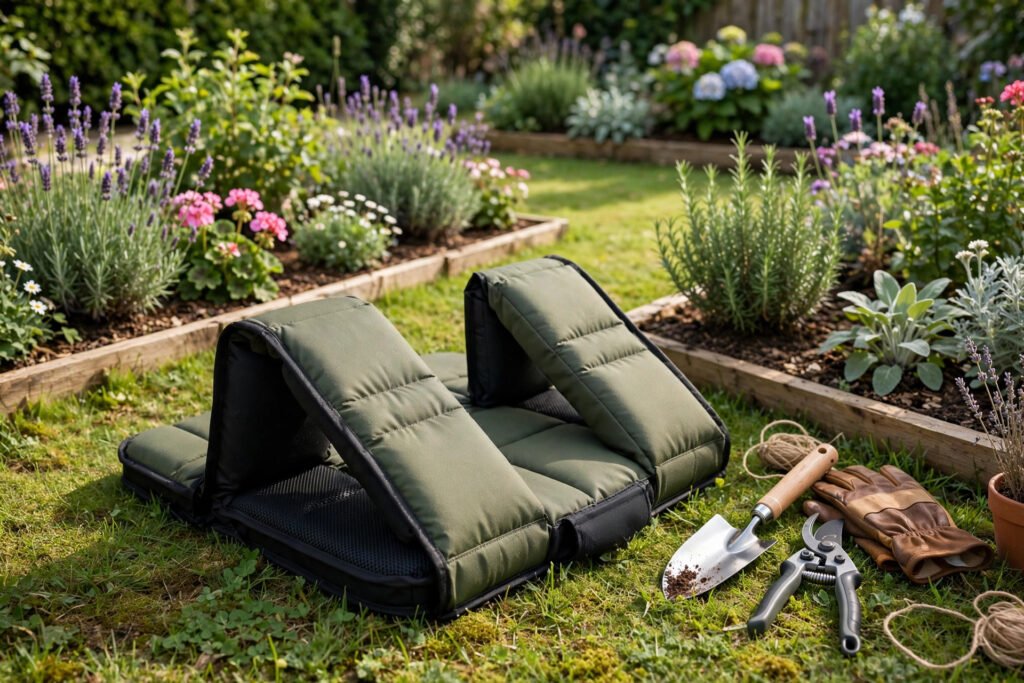
Gardening is wonderful for everything except your knees, your back, and your ability to stand up gracefully after an hour of weeding. The right kneeler transforms the experience: what was a grim endurance test becomes comfortable, sustainable, and genuinely enjoyable. Yet most gardeners limp along with a folded towel or nothing at all, accepting pain as the price of pretty borders.
This 2026 guide reviews the best garden kneelers and the accessories that make kneeling work comfortable, covering types, what to look for, and the standout picks for every budget and body.
Why a Good Kneeler Matters
Kneeling concentrates your entire body weight onto two small, bony surfaces never designed for the job. Over time this causes bruising, bursitis (housemaid’s knee is a real medical condition), and aggravated arthritis. A kneeler distributes pressure across a padded surface, while the best designs double as seats, letting you alternate positions and giving you handles to push up from.
Comfort is not luxury; it is quite literally what keeps you gardening year after year. The gardeners who quit are often not bored but broken: knees and backs give out years before enthusiasm does. Twenty pounds of well-designed foam buys you a decade more of the hobby.
Types of Kneeler
Basic foam pads
Simple, cheap, portable: a slab of dense foam you drop wherever you kneel. Fine for short sessions and easy to stash in a shed. The limitation is thinness; on hard paths they compress to almost nothing.
Kneeler-seat combos
The most popular type: a padded kneeler that flips over into a low seat, with side handles for lowering and rising. Brilliant for anyone with knees, hips, or backs that protest, and the seat position suits potting and pruning as well as weeding.
Wheeled garden seats
A low seat on wheels that you scoot along the border, eliminating kneeling entirely for some tasks. Superb for long weeding sessions on level ground; less useful on slopes or soft soil.
Strap-on knee pads
Worn like armour, these move with you and suit gardeners who kneel briefly in many spots rather than settling in one place. Less comfortable for extended kneeling than a proper pad.
What to Look for
Padding density matters more than thickness: cheap foam bottoms out instantly, while high-density EVA foam supports for hours. Check the weight rating, especially for kneeler-seats that must hold you safely. Handles should be sturdy and well-positioned for your height. Water resistance is essential: a kneeler that absorbs rain becomes a sponge you carry around.
Consider storage and portability: folding designs hang neatly in the shed, while bulky wheeled seats need dedicated space. And check the warranty; the Which? garden product tests consistently find that build quality varies enormously at similar prices.
Standout Picks for 2026
Best overall kneeler-seat
The category leader combines thick high-density padding, a sturdy steel frame, and comfortable handles, flipping smoothly between kneeler and seat. It is the default recommendation for good reason: it simply works, year after year.
Best budget pad
A dense foam pad at a fraction of the price, thick enough for real comfort on soil and grass. It will not transform your gardening life like a combo seat, but it transforms it far more than a towel.
Best for bad knees
Extra-thick memory-foam models designed for arthritis sufferers distribute pressure most evenly. If kneeling is genuinely painful, this category is worth the premium; consult your GP or physio alongside.
Best wheeled seat
For level-ground weeding marathons, a well-built wheeled seat with tool storage underneath is unmatched. Check wheel size: larger wheels handle rough ground better.
Best lightweight option
For gardeners who carry everything to an allotment, ultralight folding kneelers that hang from a belt or fit in a tote bag remove the “I couldn’t be bothered to bring it” excuse.
Best kneeler with tool storage
Integrated pouches and holders keep secateurs, twine, and labels at hand, eliminating the stand-up-sit-down dance of fetching tools. A small feature with an outsized effect on workflow.
Essential Accessories
The kneeler is the start, not the whole system. A good tool belt or apron keeps essentials on your body; long-handled tools reduce bending between kneeling sessions; a sturdy trug carries weeds and harvests without trips to the compost heap. Knee-friendly gardening is a system: the right budget raised garden beds reduce kneeling entirely by bringing the garden to waist height, which is the ultimate joint-friendly upgrade.
Do not neglect the shed either: if you are investing in comfortable gardening, UK rules for building a garden shed are worth knowing before you upgrade your storage. The RHS gardening equipment advice covers ergonomic tool choices in depth.
Gardening With Joint Problems
For arthritis, bad backs, or post-surgery recovery, adapt boldly: raised beds at waist height, long-handled everything, a wheeled seat instead of kneeling, and shorter, more frequent sessions rather than marathon weekends. Gardening is physiotherapy disguised as pleasure, but only if you respect your limits. Many gardeners find their practice improves after adapting: constraints breed creativity, and the accessible garden is often the most thoughtfully designed.
The Ergonomic Garden: Beyond the Kneeler
Think bigger than one product: the ergonomic garden is a design philosophy. Raised beds at 60-90cm eliminate bending for most tasks. Wide, stable paths accommodate wheeled seats and wheelbarrows. A potting bench at proper height saves the back during transplanting season. Lightweight tools reduce arm strain; ratchet secateurs multiply hand strength for arthritic fingers. Even watering ergonomics matter: a lightweight hose on a reel beats hauling cans. Design the garden around your body’s limits and you will garden longer, more often, and with more joy. The most productive garden is not the biggest but the one its gardener can comfortably work in every week of the season.
Conclusion
The best garden kneeler of 2026 is the one that matches your body and your gardening: a flip-over combo seat for most people, extra-thick foam for bad knees, a wheeled seat for level-ground marathons, or a simple dense pad for light duties. Pair it with the accessories that complete the system, and consider raised beds as the long-term joint-saving upgrade. Your knees have carried you this far through life; return the favour and keep gardening comfortably for decades.
Frequently Asked Questions
Are garden kneelers worth it?
Yes, unequivocally for anyone who kneels regularly. They prevent bruising and joint strain, extend comfortable gardening time, and the seat-handle combos help you get up safely.
What is the best type of garden kneeler?
Flip-over kneeler-seat combos suit most gardeners, offering padded kneeling plus a seat with support handles. Pure pads suit light use; wheeled seats suit long weeding sessions on flat ground.
How do I garden with bad knees?
Use extra-thick kneelers or wheeled seats, consider raised beds to eliminate kneeling, choose long-handled tools, and work in shorter sessions. Adapt the garden to your body, not vice versa.
Can children use garden kneelers?
Yes, and they should: kneelers protect young knees during gardening projects and the seat versions give children a stable workstation. Choose lightweight models they can carry themselves.
How do I clean a garden kneeler?
Most wipe clean with a damp cloth; removable covers can be hosed down. Store under cover to prevent the foam degrading in sun and rain.