How to Care for a Wool Jumper So It Lasts Years
Washing, de-pilling, moth-proofing and storing: everything you need to keep a good wool jumper going for a decade.
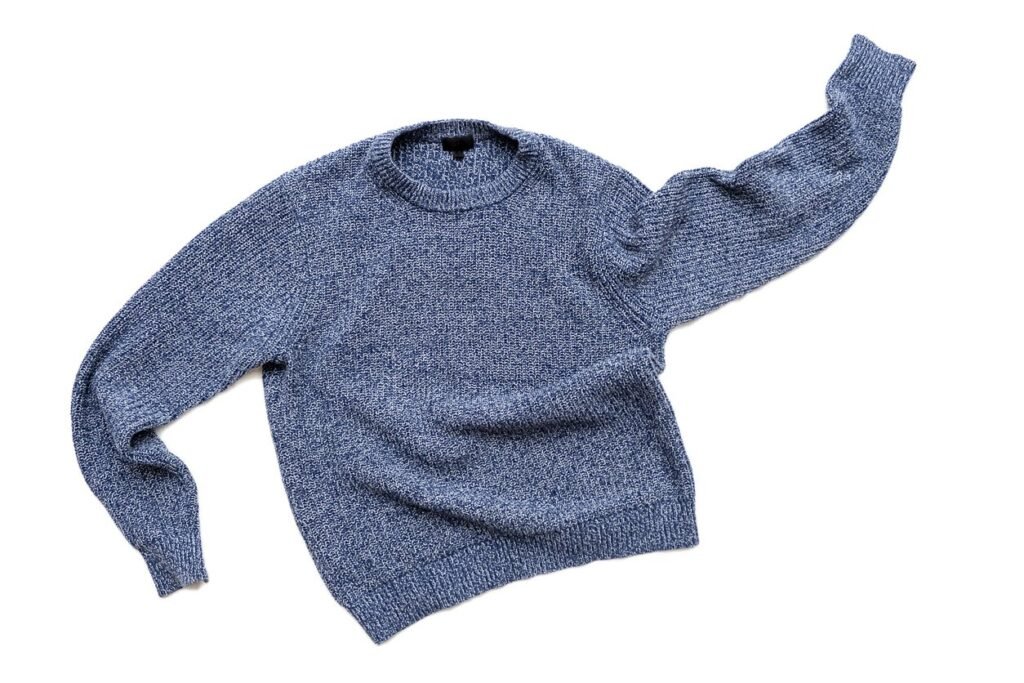
A good wool jumper should be a decade-long relationship, not a two-season fling. But wool is also the fabric most people ruin fastest — one hot wash and your £80 jumper fits a toddler. Learning to care for a wool jumper so it lasts years isn’t complicated, but it does require unlearning some laundry habits.
Here’s the thing most people miss: wool is naturally odour-resistant and self-cleaning to a degree. The less you wash it, the longer it lives. Everything below follows from that one insight.
How to Care for a Wool Jumper: Washing Rarely
The golden rule: wash as little as possible
A wool jumper worn over a shirt or t-shirt needs washing perhaps 3–5 times per season, not per month. Between wears: air it — hang near an open window or outside for a few hours. Wool releases odours remarkably well with just fresh air. Spot-clean small marks immediately with a damp cloth rather than washing the whole garment.
When you must wash: hand wash cold
Fill a basin with cool water (30°C max — heat + agitation = felting = shrinkage), add a capful of wool-specific detergent (regular detergent is too harsh; hair shampoo works in a pinch), submerge and gently squeeze — never wring, twist or scrub. Soak 10–15 minutes, rinse in same-temperature water (temperature shock also felts wool), then press water out by rolling in a clean towel.
Machine washing (if the label allows)
Only on a dedicated wool/delicates cycle, cold, low spin, inside a mesh laundry bag, with wool detergent. Never with jeans, towels or anything heavy — the agitation destroys knitwear. When in doubt, hand wash. The 20 minutes is worth it.
Drying: Where Jumpers Go to Die
Never tumble dry wool. Never hang a wet wool jumper. Both stretch and misshape it irreparably. Instead: reshape the damp jumper on a clean towel (gently pat it back into shape — this step matters), then lay flat on a dry towel or mesh rack away from direct heat and sunlight. Flip after a few hours. It takes a day or two; plan ahead.
Radiators are the enemy — direct heat shrinks and stiffens wool. Room-temperature air drying is slower but safe. If you’re in a hurry, a fan improves airflow without heat damage.
De-Pilling, De-Bobbling and Repairs
Pilling is normal — it’s loose fibres working their way out, not a quality failure (though very cheap wool pills more). Remove pills with a cashmere comb (£8–£12, the proper tool) or an electric de-piller. Work gently in one direction. Never pull pills off by hand — you tear the knit and create holes.
Small holes and loose seams are repairable: learn basic darning (ten minutes on YouTube), find a knitwear repair service (they exist and cost £15–£40), or ask at a good tailor. Repairing a quality jumper is almost always cheaper than replacing it — and it’s the sustainable choice. Our guide to making old clothes look new again covers the full revival toolkit.
Moth Prevention: The Silent Killer
Clothes moths love undisturbed wool in dark wardrobes. Prevention:
- Store clean: moths are attracted to body oils and food traces — never store a worn jumper long-term unwashed.
- Cedar and lavender: cedar blocks, rings and lavender sachets deter moths (they don’t kill existing infestations, but they prevent new ones).
- Regular disturbance: moths hate light and movement. Wearing and airing jumpers regularly is itself prevention.
- Sealed storage: out-of-season knitwear in sealed bags or boxes with cedar. Vacuum bags work but can compress knits long-term — use for a season, not years.
- Check for signs: small holes appearing, larvae casings, or moths flying when you disturb the wardrobe mean action needed — wash everything at 60°C or freeze for 72 hours, then deep clean the wardrobe.
Storing Wool Jumpers
Fold, never hang. Hanging stretches knitwear at the shoulders — those little nipples on the shoulders of hung jumpers are permanent damage. Fold loosely with tissue paper between layers for long-term storage, and don’t cram — compression flattens the knit over time. This applies to all knitwear organisation — see our guide to organising a small wardrobe.
For tested laundry products, Which? laundry and clothing care tests evaluate detergents including wool-specific formulas. And when buying knitwear worth caring for, our guide to what to spend on quality winter pieces applies the same cost-per-wear logic.
Cashmere Care: The Delicate Cousin
Cashmere follows the same principles as wool, with extra delicacy:
- Even less washing: cashmere needs washing even more rarely than wool — airing handles most refreshes. When you do wash, always hand wash, always cold, always cashmere-specific detergent.
- Pilling is normal (then stops): new cashmere pills — it’s the short fibres working out. De-pill gently with a cashmere comb; after the initial shedding, quality cashmere pills less than cheap wool. Excessive ongoing pilling signals low quality, not bad care.
- Storage is critical: cashmere is moth caviar — the number one victim. Always store clean, always with cedar or lavender, ideally in sealed bags for summer. Check stored cashmere mid-summer; catching moths early saves the garment.
- Rest between wears: cashmere fibres need 24–48 hours to recover their shape — rotate, don’t wear daily. This single habit doubles cashmere lifespan.
- Quality markers: longer fibres (harder to verify, but reputable brands specify), tighter knit, and ply — two-ply minimum for durability. A £40 “cashmere” jumper is almost certainly short-fibre and will pill itself to death; save for the £100+ two-ply from a reputable maker.
Preventing Pilling: The Proactive Approach
De-pilling fixes the symptom; prevention reduces the cause. Buy better: longer fibres pill less — quality knitwear (tighter knit, longer staple wool) pills dramatically less than cheap, loose knits. It’s the hidden cost of bargain knitwear: the £20 jumper that pills in a week costs more in frustration than the £60 one that doesn’t. Reduce friction: pilling comes from abrasion — bag straps, seatbelts, rough jacket linings, even crossed arms. A smooth layer under or over knitwear reduces it. Wash inside out: less surface abrasion in the machine. Rest between wears: fibres recover with rest — the 24-hour rule from cashmere care applies to wool too. Accept some pilling: even the best knitwear pills slightly at friction points (underarms, sides) — it’s normal, not failure. A quick comb every few wears keeps it invisible. Prevention plus maintenance beats either alone.
The practical takeaway: wash rarely (air between wears), hand wash cold with wool detergent, dry flat away from heat, de-pill with a comb, fold don’t hang, and store clean with cedar against moths. Treat a good jumper like the investment it is.