
What Jobs Are Least Likely to Be Replaced by AI?
What jobs are least likely to be replaced by AI? The four automation shields, resilient careers, and how to make your own role AI-proof.
Every few months another headline declares AI is coming for everyone’s job. The reality is more selective: AI is brilliant at some kinds of work and hopeless at others, and understanding the difference is the key to career security. So what jobs are least likely to be replaced by AI? Not a list of “safe” job titles — those shift — but the underlying qualities that make work automation-resistant, with concrete examples for the UK job market.
The four shields against automation
Jobs resist AI when they require one or more of:
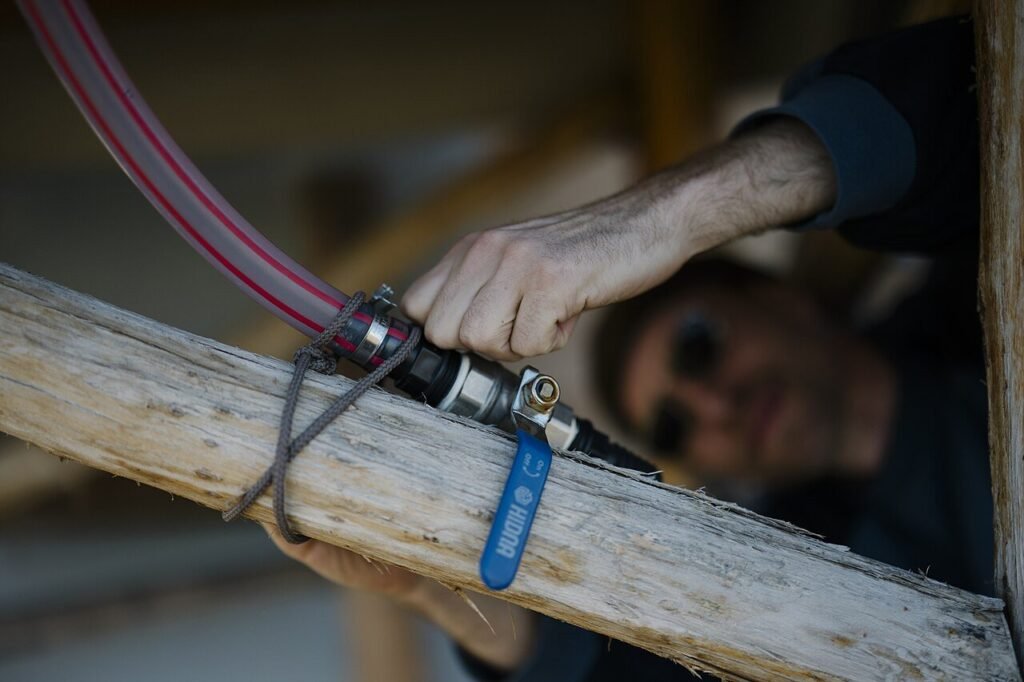
- Physical dexterity in unpredictable environments — AI can analyse, but it can’t rewire your fuse box or cut your hair. Robotics lags far behind software.
- Genuine human connection — empathy, trust and emotional intelligence in high-stakes moments. People want humans for the things that matter most.
- Novel judgement under uncertainty — decisions with no precedent, conflicting values and real consequences.
- Creative originality — not remixing patterns (AI does that well) but originating genuinely new ideas, styles and visions.
The safest careers stack several of these at once.
Jobs least likely to be replaced by AI: the categories
Skilled trades
Plumbers, electricians, carpenters, mechanics, builders — every job is different, every site is unpredictable, and the work is physical. The UK’s chronic trades shortage means these careers offer excellent pay and security. AI might help with diagnosing car problems, but someone still has to pick up the spanner. This is arguably the most automation-proof sector in the economy.
Health and care (the human kind)
AI will transform medical analysis — see our pieces on AI diagnosis accuracy and AI in the NHS — but nursing, midwifery, mental health support, social work, physiotherapy and elder care depend on human presence, touch and trust. An AI can flag a worrying scan; it can’t sit with a frightened patient. The UK’s ageing population means demand here will grow for decades.
Education (real teaching)
AI tutors can drill maths facts, but teaching — inspiring, mentoring, managing a classroom of thirty distinct personalities, spotting the quiet child in trouble — is deeply human work. Teachers who use AI well (see using AI in the classroom responsibly) become more effective, not more replaceable.
Creative leadership
AI generates competent pastiche; it doesn’t originate movements. Creative directors, authors with distinct voices, chefs with original visions, architects with signature styles — the top of creative fields remains human. (The middle is more exposed — see our discussion of whether AI art sells.)
Complex human-facing services
Solicitors handling sensitive cases, therapists, high-end salespeople, negotiators, mediators, senior consultants — roles where reading people, building trust and exercising judgement are the product. AI assists these professionals; it doesn’t replace the relationship.
Leadership and entrepreneurship
Setting vision, taking responsibility, making bets with incomplete information, inspiring people through uncertainty — the essence of leadership and of building a business — remains stubbornly human.
Emergency and protective services
Police, firefighters, paramedics, military personnel — unpredictable, physical, high-stakes, deeply human. AI supports (see AI in policing) but doesn’t replace.
The honest caveats
- “Least likely” isn’t “never”. Even safe fields will change — tradespeople will use AI diagnostics, teachers AI assistants. The job evolves; the human core remains.
- It’s about tasks, not titles. “Accountant” isn’t safe or doomed — routine bookkeeping is automatable, advisory judgement isn’t. Migrate towards the judgement end of whatever you do.
- New jobs appear. AI trainers, prompt engineers, AI ethicists, robot maintenance technicians — the economy has always generated work we couldn’t previously imagine.
- Wages matter too. A job might survive automation but change in pay or conditions. Security isn’t just existence.
How to make your own career AI-resistant
Whatever you do: deepen the human elements (relationships, judgement, creativity), learn to direct AI tools rather than compete with them (see skills for working alongside AI), stay adaptable, and build expertise that’s hard to codify — the instincts earned from years of real experience. If you’re job-hunting now, our guide to using AI to write a better CV will help you present those human strengths.
The 5-year outlook: sectors to watch
Automation resistance isn’t static — here’s how the picture may evolve:
- Strengthening moats: skilled trades (worsening shortages + physical complexity), elder care (demographic demand surge), cybersecurity (AI creates as many threats as it counters), skilled project management in physical industries.
- Stable: teaching, nursing, emergency services, high-trust professional services — AI assists deeply but the human core holds.
- Transforming (not disappearing): accounting (bookkeeping automated, advisory grows), law (document review automated, judgement and advocacy grow), marketing (production automated, strategy and brand grow), journalism (routine reporting automated, investigation and analysis grow). The pattern: the routine 60% automates; the judgement 40% becomes more valuable.
- New categories emerging: AI system designers, AI ethicists and auditors, human-AI interaction specialists, robot maintenance technicians, data curators — roles that barely existed five years ago.
- Most exposed: pure data entry, basic telemarketing, routine translation, simple graphic production, first-line scripted support — already being hollowed out.
The strategic takeaway for career planning: don’t pick a “safe” job title — build a safe skill profile. Combine deep domain expertise (hard to automate), human relationship skills (impossible to automate well), and AI fluency (making you the person who directs the tools). That profile is employable in almost any sector, through almost any wave of automation. And keep learning: the specific tools will change, but the meta-skill of adapting to new tools is permanent. For building that fluency now, see our skills guide and free AI tools to practise with.
One more consideration: geography matters. The UK’s particular mix — an ageing population needing care, a housing stock needing tradespeople, world-class creative industries, and a large professional services sector — shapes which safe jobs are most abundant here. National retraining schemes and apprenticeships increasingly target exactly these resilient areas. If you’re planning a career move, look at where demographic demand and automation resistance overlap: that’s where the most durable opportunities of the next two decades will be.
The practical takeaway
Don’t ask “is my job safe?” Ask “which parts of my job are pattern-matching, and which require being human?” Then deliberately grow the human parts. The future doesn’t belong to people who avoid AI — it belongs to people whose value is in the things AI can’t do: the judgement, the relationships, the physical skill, the original thought. Build your career around those, and the headlines stop being scary.








3 thoughts on “What Jobs Are Least Likely to Be Replaced by AI?”