
Should Schools Ban Students From Using AI for Homework?
Should schools ban students from using AI for homework? Why bans fail, and the smarter approach: redesigned tasks and honest use.
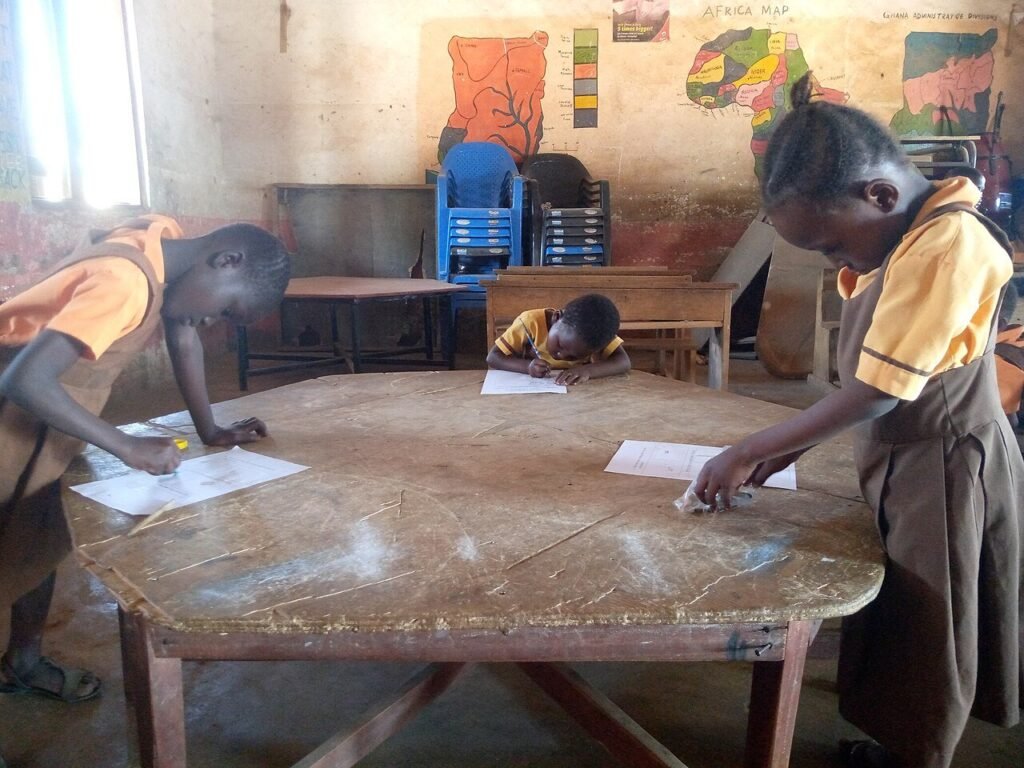
It’s the dilemma facing every school in Britain: a pupil submits a flawless essay, and the teacher can’t tell whether a teenager or a chatbot wrote it. Some schools have responded with outright bans on AI; others are embracing it. So should schools ban students from using AI for homework? It’s a question that sounds simple and isn’t — because “ban” and “homework” both need unpacking before the answer makes sense.
The case for banning
The arguments aren’t frivolous:
- Learning requires struggle. Wrestling with an essay, a maths problem or a source analysis is how understanding forms. Outsourcing the struggle outsources the learning.
- Assessment becomes meaningless. If homework grades reflect chatbot quality rather than pupil understanding, teachers can’t identify who needs help — and qualifications lose credibility.
- Equity concerns cut both ways. Banning levels the playing field between pupils with savvy AI access at home and those without.
- Skill atrophy is real. Writing, in particular, is thinking made visible. Pupils who never practise sustained writing lose a fundamental cognitive skill.
These are serious points. A school that ignores them isn’t being progressive; it’s being negligent.
The case against banning
- Bans don’t work. AI is on every pupil’s phone, undetectable with reliability (AI detectors are notoriously inaccurate, with false accusations that damage trust), and impossible to police at home. A ban creates a rule everyone breaks — the worst outcome for school authority.
- It punishes honesty. The pupils who obey the ban compete against those who don’t. Bans reward cheating.
- It abandons AI literacy. These pupils will work in an AI-saturated world. Schools that ban rather than teach are failing in a core duty — see skills for working alongside AI.
- AI can genuinely help learning. As a tutor that explains, quizzes and gives feedback — under guidance — it’s powerful. Our guide to teachers using AI responsibly shows the constructive side.
The smarter answer: don’t ban the tool, redesign the task
The schools handling this best aren’t choosing between ban and free-for-all. They’re doing something harder and smarter:
1. Change what homework asks for
If AI can do the homework, the homework was testing the wrong thing. Shift towards:
- Process over product — submit drafts, notes and revisions alongside the final piece; assess the thinking, not just the polish
- In-class verification — short supervised writes or oral defences that confirm the homework’s author understands it
- Personal and local tasks — “interview a grandparent about…”, “analyse the high street near school…” — things AI can’t fake from training data
- Critique AI output — “here’s an AI essay on this topic; find its three errors and improve its argument” turns the tool into the lesson
2. Teach honest, declared use
Establish a clear standard: AI as assistant (brainstorming, explaining, checking) is fine and must be declared; AI as author (generating the submitted work) is academic dishonesty. Teach pupils the difference explicitly — most genuinely aren’t sure where the line is. Parents can help: our guide to talking to children about AI covers the home side.
3. Protect the foundational skills
Some things should remain AI-free by design: early literacy, mental arithmetic foundations, the first drafts where thinking happens. Be deliberate about which struggles are educationally essential and fence those off — not with unenforceable bans but with supervised classroom time.
4. Assess differently
The long-term fix is assessment reform: more supervised, in-person and oral assessment; less weight on take-home work that can’t be authenticated. Exam boards are already moving this way. Schools should too.
What the evidence and experts say
Education researchers increasingly converge on “guided integration” over prohibition: teach AI literacy, redesign tasks, verify learning in person. The Department for Education’s position similarly emphasises safe, effective use rather than bans. And there’s a historical pattern here: calculators, the internet, Wikipedia — each prompted ban calls, each ended up integrated with adjusted teaching. AI is bigger, but the pattern rhymes.
What parents can do at home
Schools handle the classroom; the home front matters just as much:
- Make process visible. Ask to see drafts, notes and workings — not to police, but to engage. “Talk me through how you got here” is both parenting and pedagogy.
- Normalise AI as a study tool. Sit with them while they use AI to understand a concept, modelling the declared, honest use schools want to see.
- Don’t do the policing schools can’t. You can’t monitor every keystroke, and adversarial surveillance destroys trust. Focus on values: why learning matters, what cheating costs them.
- Talk about the future frankly. The jobs they’re heading for will reward people who can think with AI, not those who outsourced thinking to it. Frame honest AI use as career preparation.
- Watch for over-reliance. If your child can’t explain their own homework, that’s the conversation — not punishment, but a reset on how the tools get used.
The deeper point: homework has always been partly about character — diligence, honesty, persistence. AI doesn’t change what those virtues are; it just makes them easier to fake and more important to actually possess. Parents who discuss why learning matters, not just whether the homework is done, raise children equipped for the AI age in the way that counts. For the school policy side, share our teachers’ AI guide with your school’s parent group — constructive parental engagement helps schools get this right.
Finally, a word on trust. The schools navigating this best share one trait: they trust pupils until given reason not to, while designing assessments that make trust verifiable. Surveillance-heavy approaches — keystroke monitoring, aggressive detection software — corrode the teacher-pupil relationship that makes learning possible. The goal was never catching cheats; it’s producing graduates who can think. Design for that goal, and the AI question largely answers itself.
The practical takeaway
Should schools ban students from using AI for homework? No — bans are unenforceable, inequitable in effect, and educationally counterproductive. But “no ban” doesn’t mean “anything goes.” The responsible path is: redesign homework so AI can’t substitute for thinking, teach declared and honest use, verify understanding in person, and protect the foundational struggles that build real capability. Schools that do this won’t just survive AI — they’ll produce the pupils best equipped for the world it’s creating.







2 thoughts on “Should Schools Ban Students From Using AI for Homework?”