
How to Visit Stonehenge Without the Crowds
How to visit Stonehenge without the crowds: the best times, the free public footpaths, solstice access and the Stone Circle Experience explained.
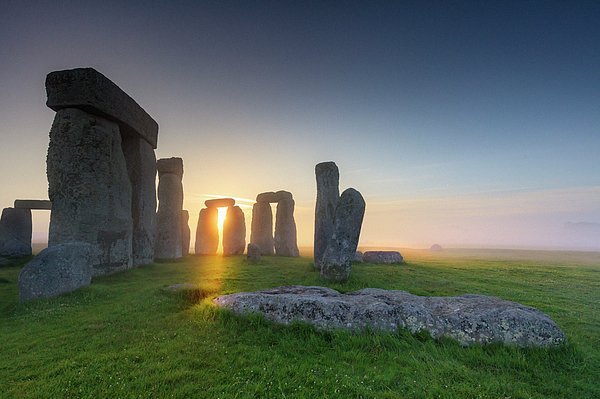
Stonehenge at 2pm on a August Saturday is an exercise in patience: timed entry slots, a packed shuttle bus, and a slow shuffle around the stones with four hundred of your closest friends. But here’s what the crowds don’t know — the stones are at their most magical when they’re nearly empty, and getting them that way is easier than you’d think.
I’ve visited four times now, in different seasons and at different hours, and the difference between a crowded visit and a quiet one is night and day. Here’s how to visit Stonehenge without the crowds, from the obvious (go early) to the genuinely little-known (there are free public footpaths with superb views).
How to visit Stonehenge without the crowds: timing is everything
The single biggest factor is when you go. Arrive for the first entry slot of the day — usually 9:30am — and you’ll walk the stones’ circuit with a fraction of the midday crowd. Even better, visit in the shoulder seasons: late September through November, or February through March, when visitor numbers drop dramatically and the low light makes the stones look extraordinary.
Avoid school holidays, bank holiday weekends and — obviously — the solstices, unless the solstice is the point (more on that below). Midweek beats weekends every time. And check the English Heritage booking page the night before: timed slots that are nearly sold out at noon often have space at opening time.
- First slot of the day (9:30am) or last entry — midday is the worst.
- Shoulder seasons (Oct–Nov, Feb–Mar) beat summer on crowds and light.
- Midweek, term-time, non-bank-holiday: the holy trinity of quiet.
The Stone Circle Experience: inside the ropes
Here’s the insider option most visitors never hear about. Outside normal opening hours — early morning or evening — English Heritage runs the Stone Circle Experience: small groups (around 26 people) who get to walk among the stones themselves, right up close, with a guide. Standard admission keeps you behind a rope about 10 metres out; this puts you inside the circle as the sun rises or sets.
It’s pricier than standard entry (from around £70 for adults) and it books out months ahead, but for a once-in-a-lifetime visit it’s transformative. Standing inside the sarsen circle at dawn, with mist on the grass and nobody else there, is about as far from the midday shuffle as it’s possible to get. English Heritage’s Stone Circle Experience page has dates and booking details.
The free option: public footpaths
Here’s the bit the guidebooks bury: you don’t actually have to pay to see Stonehenge. Public footpaths cross Salisbury Plain with views of the stones — the best is the bridleway from Amesbury that passes within a few hundred metres. You won’t get the visitor centre, the exhibition or the audio guide, but you’ll get the stones themselves, in their landscape, for free.
The walk from Woodhenge (free, fascinating, and almost always empty) to Stonehenge along the Avenue — the ancient ceremonial approach — is one of the great underrated walks in southern England. Go at sunset and you’ll understand why this landscape has drawn people for 5,000 years. Pair it with the Peak District’s best viewpoints on a longer ancient-landscapes trip and you’ve got a theme.
Solstice: the exception that proves the rule
Twice a year — summer solstice (around 21 June) and winter solstice (around 21 December) — English Heritage opens the stones for free, managed access, and thousands of people come to watch the sunrise. It is, by definition, not crowd-free. But it’s a completely different experience: druids, drummers, Morris dancers, and a genuinely moving communal atmosphere as the sun clears the Heel Stone.
If you go, go for the winter solstice — far fewer people, and the sunrise aligns dramatically. Arrive the night before or very early, dress for a windswept plain in December (this cannot be overstated), and use the park-and-ride; the roads around the site close. It’s chaotic, cold and unforgettable.
Making the most of the standard visit
If you’re doing the normal paid visit, a few tactics help enormously. Book the earliest slot and head straight past the visitor centre to the shuttle bus — most people linger in the exhibition first, so the stones are quietest in the first 45 minutes. Then do the exhibition on the way back when the crowds are at the stones.
Walk the landscape, don’t just shuttle. The 1.5-mile walk from the visitor centre to the stones (or back) takes you through the ancient landscape — burial mounds, the Cursus, the Avenue — and almost nobody does it. Finish with the Neolithic houses reconstruction, then consider the UK’s best thermal spas — Bath’s Roman baths and thermae spa make a perfect second day, just an hour’s drive away.
- Book first slot, go straight to the stones, do the exhibition after.
- Walk the Avenue instead of taking the shuttle — the landscape is half the story.
- Allow 2–3 hours; rushing Stonehenge misses the point entirely.
Stonehenge has survived 5,000 years of weather, wars and tourists — it can certainly survive your visit. But the stones reward those who come thoughtfully: early, off-season, on foot, or inside the circle at dawn. However you do it, give the place time. Stand still for ten minutes, let the crowds (or the silence) wash over you, and feel the weight of five millennia. That’s the visit you’ll remember. A practical footnote: combine Stonehenge with Avebury, twenty-five miles to the north. Avebury’s stone circles are free, always open and unfenced — you can walk right up to stones larger than anything at Stonehenge — and the village pub sits inside the circle itself. Most visitors do Stonehenge and leave; those who continue to Avebury get the deeper, quieter half of Wiltshire’s ancient landscape. The two sites together tell a story neither tells alone, and Avebury at sunset, with sheep grazing among the stones and nobody else around, is as close to time travel as England offers. Check the English Heritage website for any special access events before you go — occasional open days offer experiences you will not find in the standard visit.




1 thought on “How to Visit Stonehenge Without the Crowds”