How Much Does a New Front Door Cost Fitted in the UK?
How much does a new front door cost fitted in the UK? Composite, uPVC and timber prices, what affects quotes, and security specs that matter.
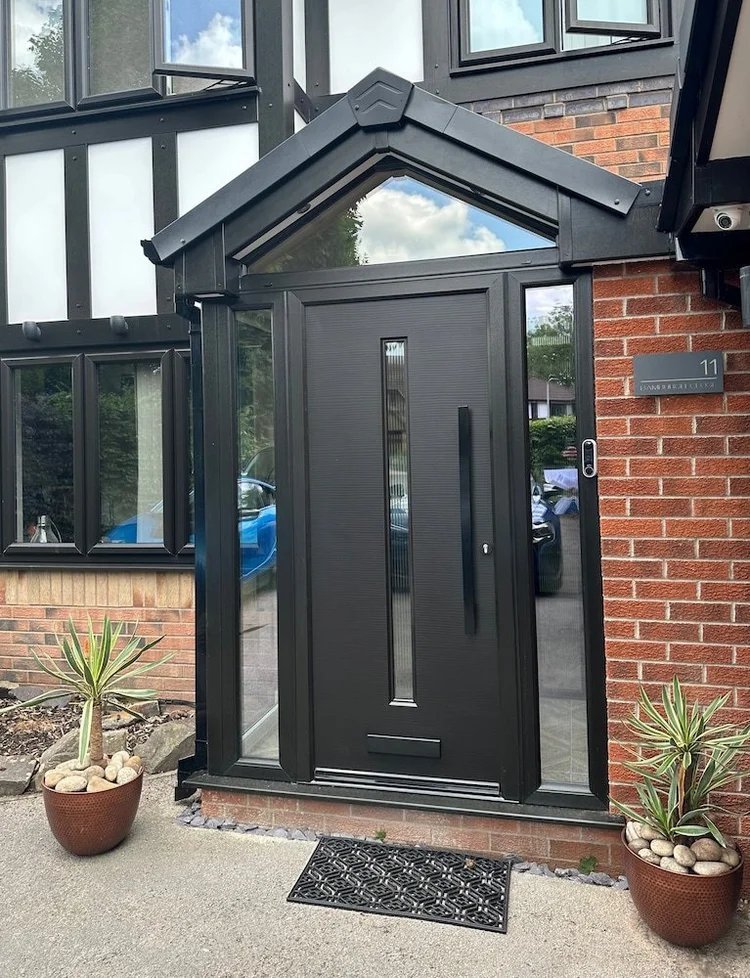
The front door does three jobs: keeps intruders out, keeps heat in, and tells visitors what kind of house this is. It’s also one of the most visible upgrades you can make — a new door transforms a house’s entire face for less than most people expect, or far more than they expect, depending on the material.
Here’s how much a new front door costs fitted in the UK: composite, uPVC, aluminium and timber prices, what drives quotes up, and the security specifications worth paying for.
How much does a new front door cost fitted: the numbers
uPVC front door, fitted: £600–1,200 — the budget option, secure enough with multi-point locking, but limited styles and it can look plasticky. Composite door, fitted: £1,000–2,000 — the UK’s most popular choice: a solid timber core with a durable skin, available in any colour, excellent security and insulation, and it looks like timber without the maintenance.
Aluminium: £1,500–3,000 fitted — slim, modern, incredibly strong, the choice for contemporary homes. Timber (hardwood): £1,500–3,500+ — beautiful, period-correct, but needs repainting every few years and the best ones are genuinely expensive. These are 2026 fitted prices including the frame, hardware, VAT and disposal of the old door. London adds 15–25%.
- uPVC: £600–£1,200 | Composite: £1,000–£2,000 (the popular choice).
- Aluminium: £1,500–£3,000 | Hardwood timber: £1,500–£3,500+.
- Prices include frame, hardware, fitting, VAT and old door disposal.
What affects the quote
Glazing adds cost: a door with decorative glazed panels costs £200–500 more than a solid one, and the glass specification matters (laminated security glass is worth it on doors — toughened shatters, laminated holds). Side panels and fanlights: each glazed side panel adds £300–600. Non-standard sizes, arched tops or period detailing all push the price up — bespoke timber doors for Victorian houses can reach £4,000–5,000.
The frame and fitting quality matter as much as the door: a £1,500 composite door hung badly is worse than a £800 door hung well. Check the quote includes: new frame (not just a door slab in the old frame — though slab-only replacement is £300–600 cheaper if the frame is sound), proper sealing and insulation around the frame, adjustment of the threshold, and making good of internal plasterwork. And confirm who’s responsible if the opening needs widening — that’s structural work, not door fitting.
New front door cost fitted: the security specs that matter
This is where money is well spent. Look for: multi-point locking (3+ points — standard on any decent door now), an anti-snap euro cylinder (TS007 3-star or Sold Secure Diamond — £40–80 extra, defeats the most common burglary method, lock snapping), a London bar or Birmingham bar reinforcing the frame (£30–60 — stops the frame being spread), and laminated glass in any glazed panels.
Certification to look for: PAS 24 (tested security standard) and Secured by Design (police-backed accreditation). A PAS 24 door with a 3-star cylinder is a genuinely hard target — most burglars move on to easier houses, which is the entire point. The lock is the cheapest security upgrade in the house: if your door is otherwise fine but the cylinder is basic, a locksmith can upgrade it for £80–150. Don’t overlook it.
- Anti-snap cylinder (TS007 3-star): £40–80 — defeats the #1 burglary method.
- Multi-point locking + reinforced frame bars + laminated glass.
- Look for PAS 24 and Secured by Design certification.
Composite vs the rest: an honest comparison
Composite wins for most UK homes because it balances everything: security (solid core, multi-point locks standard), insulation (U-values around 1.0–1.4, far better than old timber doors), maintenance (wipe clean, no painting), lifespan (25–35 years), and looks (convincing woodgrain in any RAL colour). The downsides: it can’t be trimmed to fit like timber (measure precisely), and very cheap composites can fade or warp — buy mid-range or better.
Choose timber for period properties where authenticity matters (and check conservation area rules — some require like-for-like timber). Choose aluminium for ultra-modern homes with big glazed screens. Choose uPVC when budget is the priority and the house suits it. But for the standard UK semi, terrace or detached? Composite, mid-range, in a colour you love — it’s the rational answer.
- Composite: best all-rounder — secure, insulated, low-maintenance, 25–35 years.
- Timber for period/conservation areas; aluminium for contemporary homes.
- Avoid cheap composites — fading and warping haunt the budget end.
Getting it fitted right
Use a FENSA or CERTASS registered installer — door replacement is notifiable under building regs, and registered installers self-certify. Get three quotes, check recent local work, and be specific about the specification: door material and brand, lock standard, glass type, colour (inside and out — they can differ), furniture (handles, letterbox, knocker — £50–150 for quality), and threshold type (low thresholds for wheelchair/pushchair access).
Timing: fitting takes half a day to a day. You’ll be without a front door for a few hours — plan for it (and don’t schedule it for the day you’re expecting twelve parcels). Inspect before final payment: smooth operation, even gaps, no draughts (hold a candle flame near the seals on a windy day), clean sealant lines, and all keys and codes handed over. Hold back 10% until you’re satisfied — standard practice, and good installers expect it. If the door itself is fine but won’t close, our guide to fixing sticking doors may save you the replacement.
- FENSA/CERTASS installer — door replacement is notifiable work.
- Specify everything: brand, lock standard, glass, colours, furniture.
- Half-day fit; inspect operation, gaps and draughts before final payment.
A new front door fitted costs £1,000–2,000 for the composite sweet spot — and it’s one of the few upgrades that improves security, insulation and kerb appeal simultaneously. Spend the extra £80 on the anti-snap cylinder, use a registered installer, and choose a colour that makes you smile every time you come home. You’ll see it twice a day for the next 30 years; make it a good one. For security standards, Secured by Design — the police-backed initiative — lists accredited doors and locks. Pair it with an upgrade to the windows — our guide to double glazing costs helps you buy well.