What Is the Best Crypto Wallet for Beginners in the UK?
What’s the best crypto wallet for UK beginners? Hot vs cold wallets, hardware wallet setup, recovery phrase security, fees and the beginner traps to avoid.
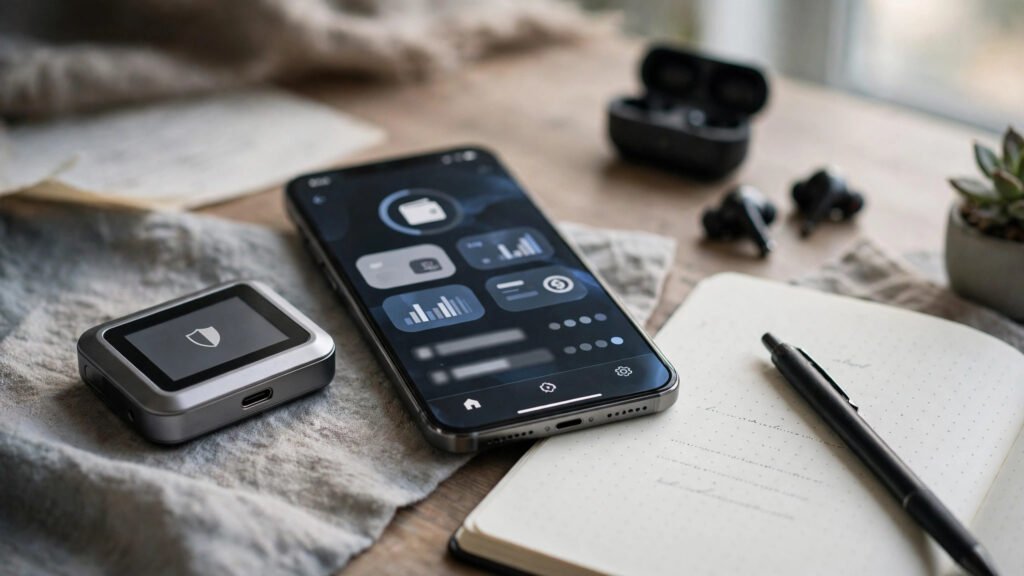
You have bought your first Bitcoin on an exchange — congratulations. Now comes the question that separates careful holders from future cautionary tales: where do you actually keep it? Leaving crypto on an exchange is like leaving cash on the counter at a shop and hoping the shop never closes. Exchanges get hacked, freeze withdrawals and occasionally collapse entirely, and UK holders have no FSCS safety net when they do.
A crypto wallet is simply the tool that holds your private keys — the cryptographic proof that your coins are yours. This guide explains the types of wallet a UK beginner will encounter in 2026, which ones suit which amounts, the specific security habits that matter, and the mistakes that lose people real money.
Hot wallets vs cold wallets: the core choice
Wallets split into two families. Hot wallets are connected to the internet: mobile apps, desktop software and browser extensions. They are convenient — you can send and receive in seconds — but because they are online, they are exposed to malware, phishing and phone theft. Cold wallets are offline: hardware devices (small USB-like gadgets) and paper wallets. They are far harder to hack but slightly less convenient, since signing a transaction means physically connecting the device.
The standard beginner strategy is a tiered one: keep small “spending” amounts in a reputable hot wallet, and move anything you would be upset to lose onto a hardware wallet. Think of it like cash: wallet in your pocket for daily use, safe at home for savings. There is no single “best” wallet — only the right wallet for the amount and your technical comfort.
Best hot wallets for UK beginners
For your first months, a well-established mobile wallet from a reputable developer is perfectly sensible for modest sums. Look for: open-source code (auditable by security researchers), a long track record with no major breaches, support for the coins you actually hold, and clear backup instructions. Avoid wallets promoted through social media adverts or influencer links — the FCA’s promotions regime exists precisely because this channel is thick with scams — and never download a wallet app from anywhere but the official app store listing linked from the developer’s own website.
Two non-negotiable habits from day one. First, when the wallet shows you a 12- or 24-word recovery phrase, write it on paper with a pen, store the paper somewhere safe and separate from your phone, and never photograph, screenshot, email or cloud-store it. Anyone who sees that phrase owns your crypto — there is no password reset, no customer service, no appeal. Second, enable every security feature the wallet offers: app PIN, biometric lock, and passphrase encryption where available. Your home network matters too: securing your home Wi-Fi from hackers is part of protecting any wallet you use at home.
Hardware wallets: when and which
Once your holdings exceed what you would casually carry as cash — for most people, a few hundred pounds — a hardware wallet is the single best security upgrade you can make. The established names UK buyers encounter are Ledger and Trezor, both with years of track records. Buy only from the manufacturer’s official store: second-hand or marketplace hardware wallets can be tampered with, and “pre-initialised” devices are an outright scam.
Setup takes about 20 minutes: install the companion app, initialise the device, write down the recovery phrase it generates (on paper, stored securely — consider a fireproof location or a metal backup plate for larger amounts), set a PIN, and then do a small test transaction before moving the full amount. The device itself can be lost or broken without losing your crypto — the recovery phrase is the real wallet; the device is just a convenient way to use it. That is also why the phrase’s physical security is everything. When travelling or transacting on unfamiliar networks, using a VPN safely adds a layer of protection against snooping on public Wi-Fi.
Exchange wallets, custodial apps and the “not your keys” rule
Many beginners never leave the exchange’s built-in wallet — and for tiny amounts during your first weeks, that is understandable. But understand what it means: the exchange holds the private keys, so legally and practically the crypto is an IOU from the exchange, not property in your custody. The collapses of several major platforms taught this lesson at a cost of billions: customers became unsecured creditors in bankruptcy proceedings.
A middle ground exists in the form of reputable custodial apps with strong regulatory standing, insurance policies and proof-of-reserves — better than a fly-by-night exchange, but still custodial. The direction of travel for any serious holder is self-custody: your keys, your coins. The trade-off is responsibility — lose your recovery phrase and no one can help — which is why the paper-backup discipline matters more than which brand you buy. For context on how financial fraud operates around accounts generally, see how AI is used in online banking fraud detection: the same social-engineering tricks target crypto holders.
Fees, networks and the beginner traps
Wallets introduce a new cost landscape. Moving Bitcoin on-chain incurs a network (miner) fee that varies with congestion — from pennies to £20+ at peak times. Moving tokens on other networks means paying that network’s gas fees, and choosing the wrong network when withdrawing from an exchange is the classic beginner disaster: sending tokens to an address on an incompatible network can lose them permanently. Always send a tiny test amount first, verify it arrives, then send the rest.
Other traps: “wallet drainer” scams where a malicious website asks you to “connect your wallet” and then empties it — never connect to sites you do not trust completely; fake support staff in Telegram and Discord who ask for your phrase (real support never does); and clipboard malware that swaps a pasted address for the attacker’s — always visually verify the first and last characters of any address before confirming. The FCA’s ScamSmart guidance is worth bookmarking; crypto wallet fraud follows the same playbooks as other investment scams.
Tax and record-keeping: the boring part that matters
Moving crypto between your own wallets is not a taxable event in the UK — but selling, swapping or spending it is, and HMRC expects records. From 2026, the Crypto-Asset Reporting Framework means UK platforms report transaction data to HMRC automatically, so “they’ll never know” is no longer a strategy. Keep a simple log from day one: dates, amounts, sterling values and fees for every buy, sell, swap and transfer.
Free portfolio-tracking apps can automate much of this by syncing your wallet addresses, and they are worth setting up before your transaction history grows unwieldy. If your activity goes beyond occasional buying, an accountant familiar with HMRC’s cryptoassets tax guidance will save you from the fiddly bits like same-day and 30-day matching rules. Good records are also your defence if HMRC ever asks questions — and under the new reporting regime, questions are more likely, not less.
Conclusion
The best crypto wallet for a UK beginner in 2026 is a progression, not a product: start with a reputable mobile wallet for small amounts while you learn, graduate to a hardware wallet bought direct from the manufacturer once the sums matter, and treat your paper recovery phrase as the actual valuables. Keep test transactions small, verify addresses character by character, and never share your phrase with anyone for any reason. Do that, and your Bitcoin is safer than in any exchange vault — because it is in yours.
Frequently Asked Questions
Do I need a crypto wallet if I buy on an exchange?
Not immediately, but you should get one. Exchange wallets are custodial IOUs; a personal wallet gives you genuine control and protects you if the exchange fails.
What happens if I lose my hardware wallet?
Nothing, provided you kept your recovery phrase. Buy a new device, enter the phrase, and your crypto is restored. Lose the phrase, and the crypto is gone permanently.
Are mobile crypto wallets safe?
Reputable ones are reasonably safe for modest amounts, especially with PIN, biometrics and a securely stored recovery phrase. They are not suitable for life-changing sums — use a hardware wallet for those.
Can HMRC see my crypto wallet?
Under the Crypto-Asset Reporting Framework, UK platforms report transaction data to HMRC. Blockchain transactions are also publicly visible; wallets are pseudonymous, not anonymous.
Should I buy a hardware wallet second-hand to save money?
Never. Tampered devices are a known scam vector. Buy only from the manufacturer’s official store — the saving is not worth the risk.