How to Make Packed Lunches Interesting for Fussy Eaters
Packed lunches for fussy eaters: the bento-box formula, involvement tricks, fortnightly rotation and the one-new-thing rule. Empty boxes guaranteed.
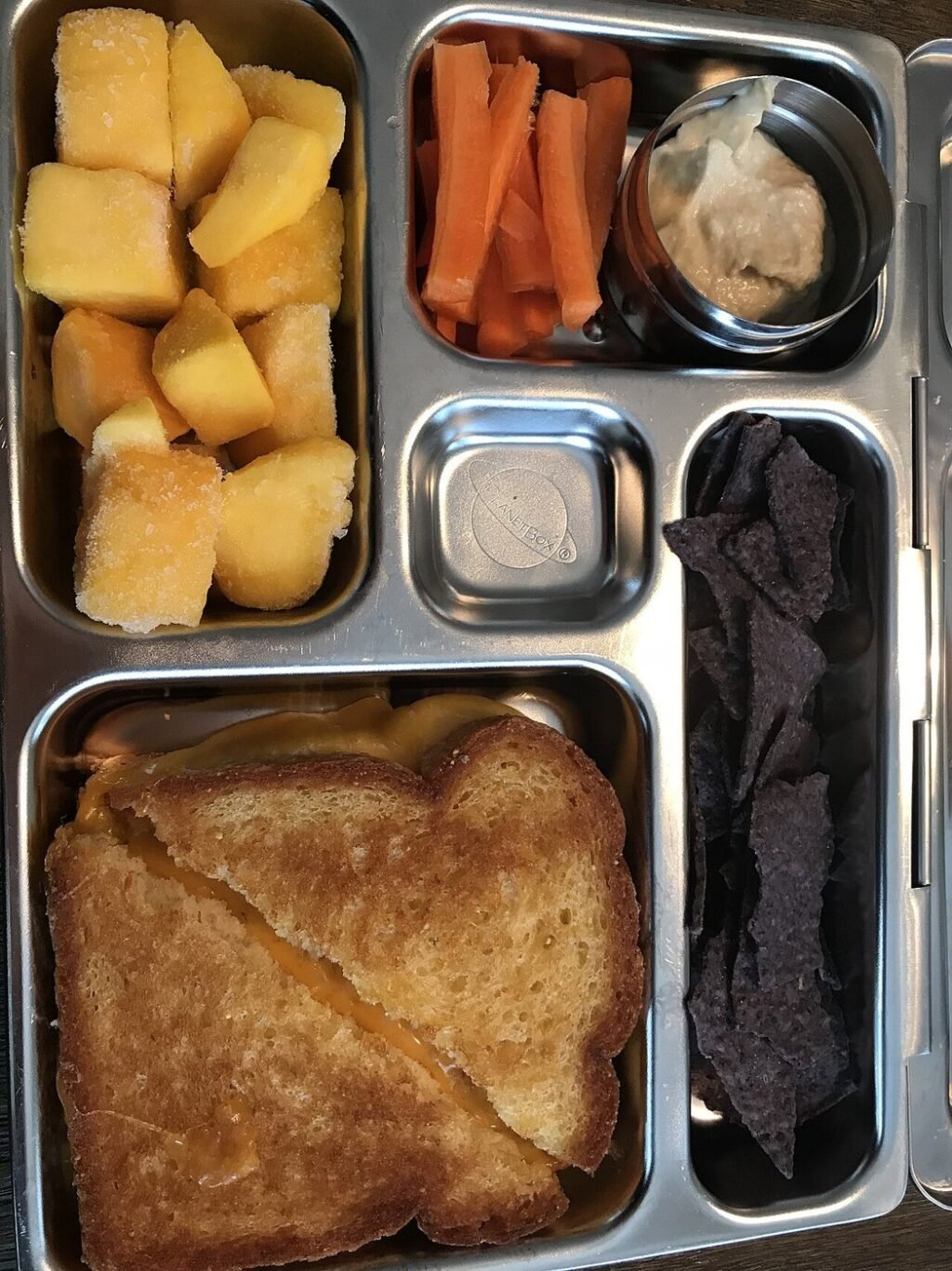
The same beige sandwich, the same untouched apple, the same crumpled lunchbox coming home full. Packing lunch for a fussy eater is a special kind of thankless — until you crack the formula. Here’s how to make packed lunches interesting for fussy eaters without becoming a short-order chef at 7am.
Understand the fussiness first
Most fussy eating isn’t about taste — it’s about control, texture, temperature and fear of the unknown. Kids (and fussy adults) reject foods that are mixed together, foods that look different from last time, and foods eaten under pressure. The packed lunch is actually the easiest meal to win, because there’s no audience, no “eat your greens” standoff — just a box of things they chose. Work with the psychology, not against it.
How to make packed lunches interesting for fussy eaters
1. The “picky bits” formula
Ditch the sandwich-and-two-sides format. Fussy eaters love deconstructed lunches: a bento-style box with 5–6 small compartments, each holding something simple and separate. Nothing touching, nothing mixed, everything visible. A winning box: cheese cubes, crackers, grapes, cucumber sticks, a mini yoghurt, and a couple of chocolate buttons. It’s the same food as a “normal” lunch, but the format gives them control — and control is what fussy eaters are actually hungry for.
2. Involve them in the packing
The research is clear: kids eat what they choose. Spend 10 minutes on Sunday letting them pick from 3–4 options per compartment (“cheese cubes or Babybel? grapes or strawberries?”). Write the week’s plan on the fridge. A child who chose the lunchbox contents will eat 80% of it; a child who had it imposed will trade the good bits and bin the rest. For teens, hand over full responsibility one day a week — ownership kills complaints.
3. Rotate, don’t repeat
Fussy eaters paradoxically get bored fastest — the same safe foods become rejected safe foods within weeks. Build a 2-week rotation so nothing appears more than twice a fortnight:
- Protein: cheese cubes, ham rolls, chicken strips, hard-boiled eggs, hummus pots, peanut butter (check school nut policies first).
- Carbs: wraps, pitta pockets, pasta shapes, couscous pots, crackers, mini bagels — anything but the same sliced bread daily.
- Veg: cucumber, cherry tomatoes, pepper strips, carrot batons, sweetcorn, edamame. Raw, crunchy, dippable.
- Fruit: rotate berries, grapes, apple slices (with lemon to stop browning), satsumas, melon chunks.
- Treat: one small thing — chocolate buttons, a biscuit, popcorn. The treat isn’t negotiable; it’s what makes the box exciting.
4. Temperature and texture tricks
Use an insulated box with a small ice pack (£3–£5) — cold pasta salad and yoghurt at safe temperatures, and everything tastes better chilled. Silicone muffin cases (£5 for 12) turn one big compartment into neat sub-sections. Cookie cutters on sandwiches and cheese (£4 a set) transform the boring into the exciting for under-fives. And always include a dip — hummus, cream cheese, yoghurt-dip. Dippable food gets eaten; lonely dry food doesn’t.
5. The one-new-thing rule
Each week, include one tiny portion of something new alongside the safe favourites — three blueberries, one piece of sushi, a single olive. No pressure, no comment. Repeated low-pressure exposure is how food acceptance actually works (it can take 10–15 exposures). Never make the new thing the main event, and never ask “did you try it?” — that creates pressure. Just keep it appearing. One day it’ll be gone, and you’ll want to frame the empty compartment.
What the schools say
Most UK schools have packed lunch policies — check yours. Common rules: no nuts (allergy policies are strict and non-negotiable), no fizzy drinks, no chocolate bars as the main item, and many ask for a piece of fruit or veg daily. The NHS Eatwell guidance and the School Food Plan have practical packed-lunch builders if you want the official framework. And label everything — named boxes come home; unnamed ones enter the lost-property void.
Batch-prep: the Sunday 30 minutes
Boil 5 eggs. Cook a batch of pasta shapes. Chop veg into sticks and store in water in the fridge (they stay crisp for days). Portion hummus into small pots. Make a tray of flapjacks or cheese scones. Sunday prep turns weekday packing into a 3-minute assembly job — and it’s the difference between interesting lunches and 7am panic-sandwiches. Our grocery saving guide covers buying all of this cheaply.
For fussy adults (yes, really)
Adult fussy eaters exist and deserve good lunches too. The same principles apply: deconstructed boxes, rotation, one treat. The only difference is you can add the interesting stuff — good cheese, proper charcuterie, leftover curry in a thermos (£12, life-changing for winter lunches). And if you’re packing for a partner, the involvement rule still applies — ask, don’t assume.
Packed lunch FAQs
How do I keep packed lunches safe in summer? Insulated bag + ice pack, kept out of direct sun. Yoghurt, meat and eggs need to stay cool — if the classroom is roasting, freeze a water bottle overnight and pack it as both ice pack and drink.
My child trades all the healthy stuff — help? Normal. Pack things you’d be happy traded (fruit, cheese) and keep the premium treats small. And talk to them about it without banning — forbidden food becomes currency.
Are bento boxes worth it? For fussy eaters, yes — the compartment format is half the battle. A decent one costs £8–£15 and lasts years. Look for leakproof seals between compartments if you pack dips or yoghurt.
What about hot lunches? A small food thermos (£10–£15) keeps pasta, soup or curry hot till lunchtime. Preheat it with boiling water for 5 minutes before filling — it makes a real difference to midday temperature.
The takeaway
Interesting packed lunches for fussy eaters come down to format over food: deconstructed bento boxes, child-chosen contents, fortnightly rotation, dips for everything, and one tiny new thing per week. Prep on Sunday, assemble in three minutes, and watch the empty boxes come home. The fussiness usually fades — but the good lunchbox habits will outlast it.