How to Make Fluffy Pancakes From Scratch
How to make fluffy pancakes from scratch — the batter science, the flipping technique, and the mistakes that make pancakes flat and rubbery.
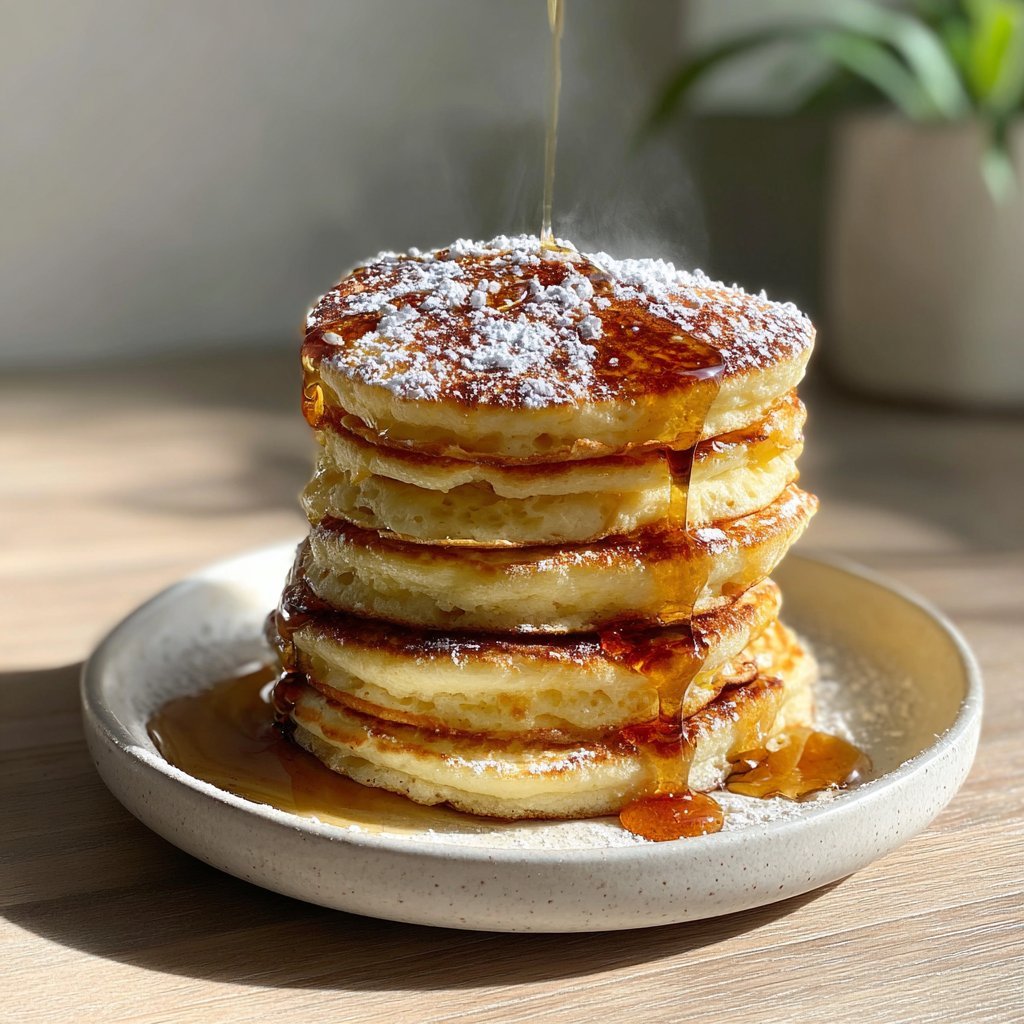
There’s a special disappointment in a pancake that’s supposed to be fluffy and arrives flat, pale and rubbery — like a delicious idea that gave up halfway. Fluffy pancakes aren’t luck; they’re chemistry. And the chemistry is simple: the right leavening, the right batter consistency, the right heat, and the discipline to leave them alone while they cook.
Here’s how to make fluffy pancakes from scratch — no packet mix, no weird ingredients, just the method that produces tall, golden, cloud-like pancakes every single time.
The batter: ratios and science
The classic ratio: 250g plain flour, 2 tablespoons sugar, 2 teaspoons baking powder, half a teaspoon bicarbonate of soda, half a teaspoon salt, 300ml buttermilk (or milk with a tablespoon of lemon juice), 2 eggs, 50g melted butter, 1 teaspoon vanilla. The double leavening (baking powder + bicarb) is the fluffiness engine — baking powder lifts, bicarb reacts with the buttermilk’s acidity for extra rise.
The method matters as much as the ingredients. Whisk dry ingredients in one bowl, wet in another, then combine with a few swift strokes — and stop while it’s still lumpy. Lumpy batter makes fluffy pancakes; smooth batter makes rubbery ones, because overmixing develops gluten. Then rest the batter 10–15 minutes: the flour hydrates, the leavening starts working, and the pancakes cook up thicker. This rest is the step everyone skips and shouldn’t.
- Double leavening (baking powder + bicarb with buttermilk) = the fluff engine.
- Mix until just combined — lumpy batter good, smooth batter rubbery.
- Rest 10–15 minutes; the flour hydrates and the rise improves.
How to make fluffy pancakes from scratch: the cooking
Heat a heavy pan or griddle over medium heat — not high. Too hot and the outside burns before the inside cooks; too cool and they spread flat and pale. Test with a drop of water: it should sizzle and dance, not explode or sit there. Lightly butter the pan (wiped, not pooled — pooled butter fries the edges instead of browning them).
Use a quarter-cup measure or ladle for consistent size — about 60ml per pancake. Pour into the centre and let it spread naturally; don’t swirl the pan (that thins them). Wait for bubbles to appear on the surface and the edges to look set — 2–3 minutes — then flip once, confidently, and cook 1–2 minutes more. One flip only: every extra flip deflates them. Keep finished pancakes warm in a low oven (100°C) on a rack, not stacked on a plate (stacking steams the bottoms soggy).
- Medium heat — water drop should sizzle-dance, not explode.
- 60ml per pancake; flip once when bubbles set the surface (2–3 mins).
- Keep warm on a rack in a low oven — stacking steams bottoms soggy.
The mistakes that make pancakes flat
Dead leavening is the number one killer: baking powder loses potency after 6–12 months open. Test it — drop half a teaspoon in hot water; vigorous fizz means alive, weak fizzle means replace it. Old bicarb is equally guilty. If your pancakes used to be fluffy and aren’t anymore, it’s probably the tin at the back of the cupboard.
Other flat-makers: overmixed batter (gluten = rubber), batter too thin (should coat a spoon thickly — thin batter spreads into crêpes), pan too cool (no initial sear = no rise), flipping too early (the structure isn’t set), and pressing the pancake with the spatula (the great sin — you’re squeezing out the air you worked to create). Never press. Ever.
- Test old baking powder in hot water — no vigorous fizz means replace it.
- Batter should coat a spoon thickly; thin batter makes crêpes, not pancakes.
- Never press with the spatula — you’re deflating your own work.
Toppings and variations
The classics earn their status: real maple syrup (not ‘maple-flavoured’ — the difference is profound), butter melting into the stack, crispy bacon for the sweet-salty contrast, fresh berries, banana and Nutella for the kids. Buttermilk pancakes are a blank canvas — lemon and sugar (the Shrove Tuesday purist), Greek yoghurt and honey, or peanut butter and banana for the protein crowd.
Variations on the base: blueberry (fold 100g into the rested batter — they burst beautifully), chocolate chip (sprinkle onto each pancake in the pan rather than mixing in, so the chips don’t sink and burn), banana (mash one into the wet ingredients, reduce milk slightly), and savoury (skip sugar and vanilla, add cheese and herbs — excellent with soup). The base recipe is endlessly adaptable once the technique is solid. For more morning inspiration, our filling breakfast ideas keep the momentum going past pancake day.
Make-ahead and freezing
Pancake batter keeps 24 hours in the fridge (the leavening loses a little power — add a pinch of fresh baking powder when cooking day-old batter). Dry mix keeps for months in a jar — make a big batch of the dry ingredients, label it, and pancake mornings become a 5-minute job: add wet ingredients, rest, cook.
Cooked pancakes freeze brilliantly: cool completely, stack with baking parchment between each, bag and freeze for up to 2 months. Reheat from frozen in the toaster (yes, really — they come out crisp-edged and perfect) or 10 minutes in a 180°C oven. Batch-cooking 20 on a Sunday means weekday pancake breakfasts with zero morning effort — and if you’re baking-inclined, our guide to a perfectly risen Victoria sponge applies the same leavening science to cake.
- Batter keeps 24h refrigerated; dry mix keeps months in a jar.
- Freeze cooked pancakes with parchment between; reheat in the toaster.
- Batch-cook Sundays for zero-effort weekday pancake breakfasts.
Fluffy pancakes from scratch come down to five things: fresh double leavening, lumpy rested batter, medium heat, one confident flip, and never pressing with the spatula. Master those and the packet mix becomes a distant memory — along with flat, sad pancakes. Stack them high, pour the real maple syrup, and accept the compliments. One final tip for pancake perfectionists: the first pancake is always a test — every cook knows this, and it is not failure but calibration. Use it to check the heat, the batter thickness and the timing, then adjust and cook the batch. For a crowd, the oven method scales beautifully: keep finished pancakes warm on a rack in a low oven while you work through the batter, then serve the whole stack at once. Twenty perfect pancakes, one warm oven, zero stress — that is how you win pancake day. BBC Good Food’s pancake collection has endless topping and variation ideas.