How to Do a Proper Double Cleanse Routine
Learn how to do a proper double cleanse routine: which oil cleanser and water-based cleanser to use, the right order, and who actually needs to double cleanse.
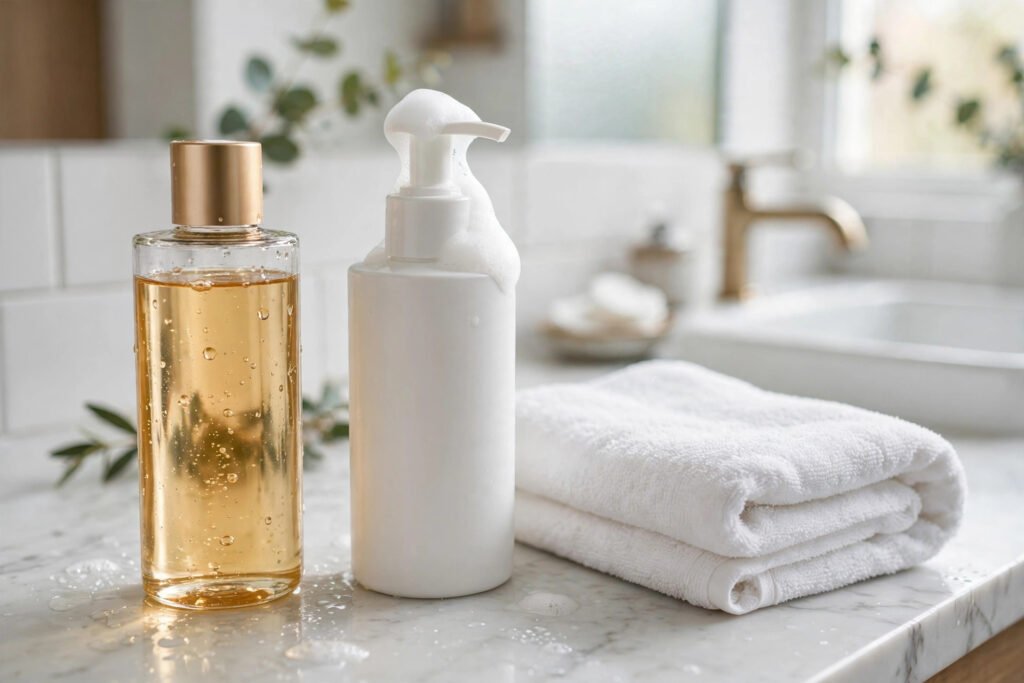
Double cleansing sounds like a marketing invention — wash your face twice? — but it is one of the few K-beauty imports with genuine science behind it. The logic is simple: oil dissolves oil-based grime (sunscreen, makeup, sebum, pollution), and water-based cleanser removes everything else (sweat, dirt). One cleanser cannot do both jobs well. Done properly, a double cleanse leaves skin cleaner, clearer and less congested without the stripping of a single harsh wash. Here is how to do it properly.
When you need it (and when you do not)
Double cleanse in the evening if you wear sunscreen (you should), makeup, or live in a polluted city — which covers most UK adults most days. Morning double cleansing is unnecessary for almost everyone; overnight skin needs only a light single cleanse or even just water for dry types. If you wear no sunscreen or makeup and have dry, sensitive skin, a single gentle evening cleanse may be plenty. Double cleansing is a tool, not a religion.
Step one: the oil cleanse
Apply a cleansing oil or balm to dry skin — dry hands, dry face — and massage for 60 seconds. This feels wrong the first time and then becomes the best part of the day. The oil dissolves sunscreen, foundation, waterproof mascara and sebum plugs far more effectively than any foaming wash. Oily-skinned readers, take note: oil cleansing does not make oily skin worse. “Like dissolves like” is real chemistry, and a proper oil cleanser rinses clean without residue. Massage gently around the eyes to dissolve mascara, then add a splash of water to emulsify (the oil turns milky) and rinse.
Choose a proper cleansing oil or balm, not kitchen olive oil — formulated cleansers contain emulsifiers that let them rinse off, while plain oils leave a film that can clog pores.
Step two: the water-based cleanse
Follow immediately with your regular gentle cleanser — gel, cream or foam depending on skin type — massaging for another 60 seconds. This removes sweat, dirt and any residue from step one. The famous “60-second rule” (a full minute of massaging each cleanse) genuinely improves results: most people wash for about 15 seconds, which barely lets surfactants work. Use lukewarm water throughout; hot water strips the barrier you are trying to protect.
What comes after
Pat dry (do not rub) and apply the rest of your routine to slightly damp skin: toner or essence if you use one, treatments, moisturiser. Properly double-cleansed skin absorbs subsequent products better — one reason devotees report their serums “suddenly working”. If you use exfoliating acids or retinoids, the evening double cleanse is the ideal preparation, since actives penetrate clean skin more evenly. A thorough evening cleanse is especially important if you wear sunscreen daily — the same sun protection habits that prevent skin damage demand proper removal each night to avoid clogged pores.
Mistakes that undo the benefits
Using two harsh cleansers defeats the purpose — both steps should be gentle; the method provides the thoroughness, not the strength. Skipping the emulsify-and-rinse on the oil step leaves residue. Cleansing for too long or with hot water irritates. And double cleansing twice a day is overkill that strips the barrier — evening only, with a light morning cleanse. If your skin feels tight after, something is too strong; the end state should be clean and comfortable, never squeaky.
One more consideration: even the best routine cannot outwork exhaustion. Better sleep improves skin more than any cleanser, so the double cleanse works best as part of a rested lifestyle, not a replacement for one.
Choosing products without overspending
You do not need luxury for either step. Effective cleansing oils and balms exist at every price point; the mechanism (oil dissolving oil) is the same. For step two, the gentle cleanser from your basic routine is perfect — no separate purchase needed. Total extra cost of adding double cleansing: one oil or balm, typically £8–£20, lasting months. The British Association of Dermatologists explains cleansing science in plain terms, and Which? tests cleansers independently if you want comparisons. Patch-test new products as always, and introduce the oil step alone for a week before judging results.
Double cleansing for different skin types
The method is universal but the products should match your skin. Oily skin: a lightweight cleansing oil or a gel-to-oil formula for step one (heavy balms can feel suffocating), followed by a gel or foaming cleanser. Do not be tempted to use harsh cleansers for both steps — the double method already provides thoroughness, and stripping triggers more oil production, not less. Dry skin: a rich balm or cream cleanser for step one, then a milky or cream cleanser for step two; if your skin feels tight after, step two is too strong.
Sensitive skin: fragrance-free everything, patch-test religiously, and consider whether you need to double cleanse daily at all — three to four evenings a week may be plenty. Combination skin: use the oil step everywhere but focus the second cleanse on the T-zone, barely touching dry cheeks. Acne-prone skin: double cleansing often reduces breakouts by fully removing pore-clogging sunscreen, but introduce the oil step alone for two weeks to confirm your skin tolerates it. Mature skin: the gentle thoroughness of double cleansing suits thinner skin well — just keep water lukewarm and moisturise promptly after. Whatever your type, the comfort test is universal: clean and supple means correct, tight and squeaky means something is wrong. Travel does not exempt you either: a travel-size balm and your regular cleanser keep the routine intact on the road, when sunscreen, sweat and unfamiliar water make thorough cleansing matter most.
Conclusion
A proper double cleanse is oil or balm on dry skin for 60 seconds, emulsify and rinse, then your gentle cleanser for 60 seconds — evening only. It removes sunscreen and makeup completely, lets the rest of your routine work better, and suits almost everyone who wears SPF daily. Simple, cheap, and one of the few skincare trends that earned its hype.
Frequently Asked Questions
Should I double cleanse every day?
Every evening if you wear sunscreen or makeup. Mornings need only a light single cleanse. Twice-daily double cleansing is too stripping for most skin.
Can oily skin use an oil cleanser?
Yes — oil dissolves sebum and sunscreen effectively, and formulated cleansing oils rinse clean. Many oily-skinned people find oil cleansing reduces congestion rather than worsening oiliness.
Do I need an expensive cleansing oil?
No. The mechanism is the same at every price. Choose a proper cleansing oil or balm with emulsifiers (not plain kitchen oil) and spend according to your budget.
How long should I massage each cleanse?
About 60 seconds each. Most people wash for 15 seconds, which does not give the cleanser time to dissolve grime properly. A full minute noticeably improves results.
Will double cleansing cause breakouts?
It usually reduces them by removing pore-clogging sunscreen and makeup thoroughly. New breakouts after starting suggest the specific product does not suit you — switch formulas rather than abandoning the method.
Can I double cleanse with just one product?
Some gentle cleansers are designed for two-pass use, but a dedicated oil or balm first does the oil-dissolving job better. If you must use one product, cleanse twice with it rather than once.
Is double cleansing bad for the skin barrier?
Not when both steps are gentle — the method is thorough, not harsh. Barrier damage comes from strong surfactants, hot water and over-cleansing, not from the double method itself. If skin feels tight, soften the products, not the technique.