How to Introduce Fish to a New Aquarium Properly
New tank? Learn how to introduce fish to a new aquarium properly with cycling, acclimation and stocking steps that prevent new-tank syndrome and keep fish healthy.
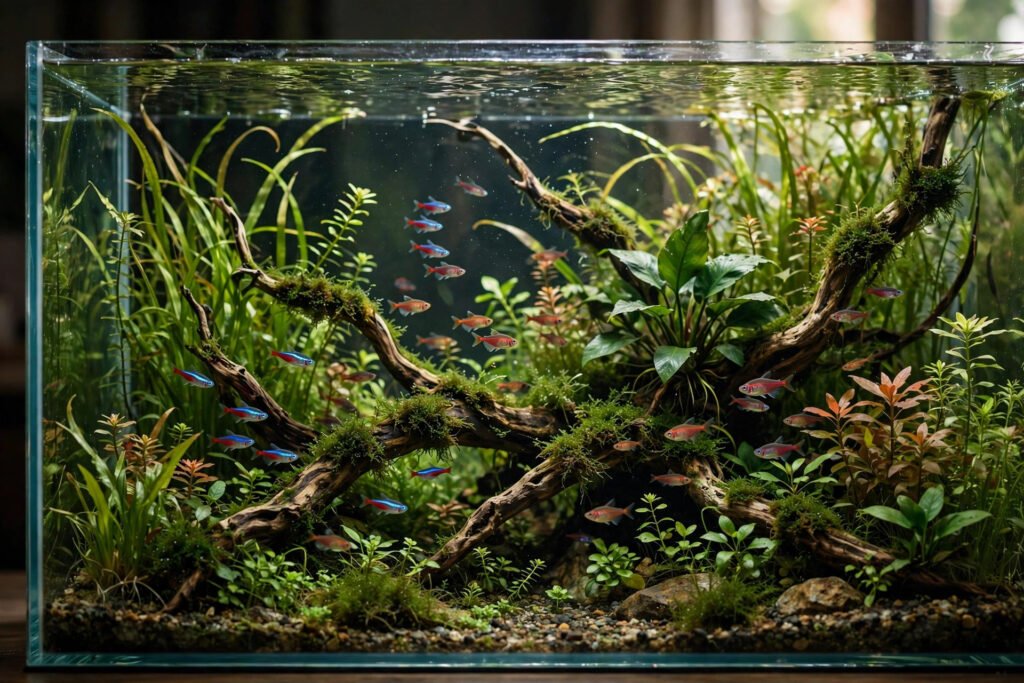
Floating a bag of new fish in the tank and tipping them in is how most aquarium disasters begin. Fish are exquisitely sensitive to sudden changes in temperature, pH and water chemistry — a shock that a human would shrug off can kill a neon tetra within hours. Proper introduction is a slow, boring, methodical process: quarantine, acclimatise, release, and then watch. Done right, it is the difference between fish that thrive for years and fish that fade within a fortnight. Here is the full procedure, whether this is your first tropical tank or your fifteenth.
Before the fish even come home: is the tank ready?
No introduction method can save fish added to an uncycled tank. A new aquarium needs its nitrogen cycle established first: beneficial bacteria must be in place to convert toxic ammonia from fish waste into nitrite and then into far less harmful nitrate. This “cycling” takes two to six weeks. Test the water with a liquid test kit (paper strips are notoriously imprecise): you want ammonia and nitrite at zero and some readable nitrate before any fish goes in. If you have rushed this step, stop here, cycle the tank, and thank yourself later.
Also match the fish to the tank. Check adult size, temperament and water needs before buying — that two-inch pleco becomes a foot-long tank-wrecker, and African cichlids will terrorise a community of guppies. A little research at the shop counter prevents most compatibility tragedies. The Ornamental Aquatic Trade Association’s fishkeeping advice and the RSPCA’s pet care pages are both good starting points for species research.
Quarantine: the step almost everyone skips
Ideally, new fish spend two to four weeks in a separate quarantine tank before joining the main display. This protects your existing stock from whitespot, velvet, fin rot and the other pathogens that hitchhike on shop fish. A quarantine tank need not be fancy — a small heated, filtered tank with a hide will do. Observe daily: eating normally, clear eyes, intact fins, no white spots or laboured breathing. Treat anything suspicious before the fish ever meets your main tank. If you only have one tank, at least inspect fish carefully at the shop and avoid tanks with any visibly sick inhabitants.
Acclimatisation: the drip method done properly
There are two common methods. The floating-bag method (float the sealed bag for 15 to 20 minutes to equalise temperature, then add small amounts of tank water every few minutes for half an hour) is better than nothing. The drip method is better still, and it is what serious keepers use.
Place the fish and their shop water in a clean bucket. Start a siphon from the tank using airline tubing with a knot or valve restricting it to a slow drip — roughly two to four drips per second. Let it run until the water volume has roughly tripled, which usually takes 45 to 60 minutes. This gently equalises temperature, pH and hardness with no sudden jumps. Then net the fish out and place them in the tank. Crucially, do not pour the shop water into your aquarium: it can carry pathogens and medications you do not want. Discard it.
Dim the tank lights during and after introduction. Bright light on top of transport stress is an unnecessary extra shock, and many fish settle far faster in subdued lighting.
The first 48 hours: hands off
Resist the urge to fuss. Do not feed for the first 12 to 24 hours — stressed fish rarely eat, and uneaten food just fouls the water. After that, offer a tiny amount of high-quality food and remove anything uneaten after a couple of minutes. Keep the room calm, avoid tapping the glass, and leave the lights low.
Expect some hiding. New fish claiming territory, working out the hierarchy and finding safe spots is normal behaviour, not a crisis. What is not normal: gasping at the surface, clamped fins, rubbing against objects, or white spots appearing. Test the water daily for the first week — even a cycled tank gets a small ammonia bump from new bioload — and be ready with a partial water change if ammonia or nitrite rises above zero.
Stocking gradually, not all at once
Add fish in small groups with a week or more between additions. Each new batch increases the waste load, and the bacterial colony needs time to grow to match it. Dumping a full community into a tank in one weekend is the classic route to “new tank syndrome”: an ammonia spike that burns gills and kills the weakest fish first. Patience here is genuinely the cheapest life insurance in the hobby.
Ongoing care that keeps new fish thriving
Once introduced, consistency is everything. Feed a varied diet appropriate to the species — most community fish do well on a quality flake or micro-pellet staple with frozen foods like daphnia or bloodworm a few times a week. Perform regular partial water changes of 20 to 30 per cent weekly, using dechlorinated water matched to tank temperature. Keep a simple log of test results; patterns are far easier to spot on paper than from memory. A simple journaling habit works as well for water parameters as it does for anything else — the discipline of writing things down is the point.
And plan for your absences. Fish can go a few days without food, but longer holidays need a plan — much like keeping houseplants alive when you travel, a little preparation (an automatic feeder, a trusted friend briefed on feeding sparingly) prevents holiday disasters.
Conclusion
Introducing fish properly is unglamorous: cycle the tank first, quarantine if you can, acclimatise slowly with the drip method, keep the shop water out of your tank, and stock gradually. None of it is difficult; it just requires resisting the urge to rush. Fishkeepers who follow this routine lose far fewer fish, spend far less money replacing them, and end up with the calm, colourful, healthy aquarium they imagined in the shop.
Frequently Asked Questions
How long should I float the bag before releasing fish?
Floating equalises temperature only, and 15 to 20 minutes is enough for that. But temperature is just one parameter — the drip method over 45 to 60 minutes also equalises pH and hardness, which matters far more for sensitive species.
Can I put the shop water into my tank?
It is best not to. Net the fish out and discard the bag water, which may contain pathogens, excess ammonia from the journey, or medications used in shop systems.
Do I really need a quarantine tank?
It is the gold standard and the single best protection for an established tank. If you cannot quarantine, buy from reputable shops, inspect tanks carefully, and watch new arrivals extremely closely for the first two weeks.
Why did my new fish die within a day?
The most common causes are an uncycled tank (ammonia poisoning), severe pH or temperature shock from a rushed introduction, or a fish that was already sick at the shop. Test your water immediately — ammonia or nitrite above zero points to the tank, not the fish.
How many fish can I add at once?
Add small groups — a handful of small community fish at a time — with at least a week between additions, so the filter bacteria can grow to handle the extra waste. Never fully stock a new tank in one go.