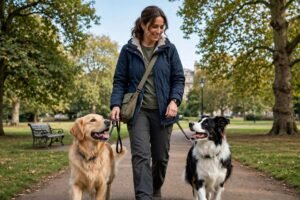
How to Keep Your Pet Cool During a UK Heatwave
Keep pets cool in a UK heatwave: heatstroke signs, dog/cat/small-pet protocols, home cool zones, travelling safely and after-heatwave recovery checks.
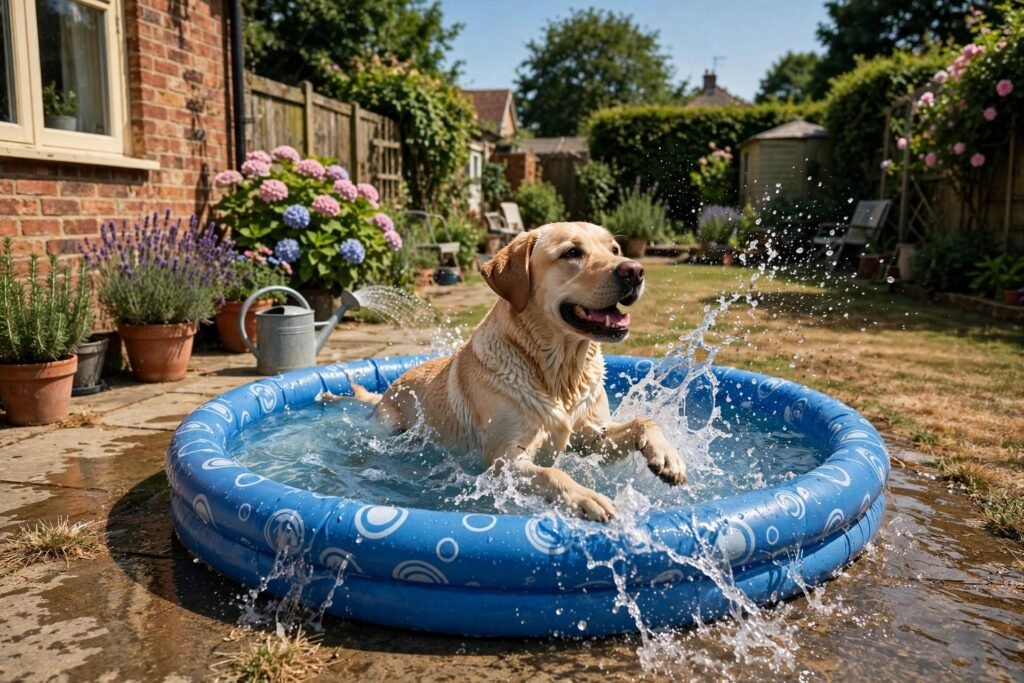
British heatwaves are a special kind of chaos: a country built for drizzle suddenly hitting 35°C, with pets suffering fastest. Dogs overheat in minutes, cats hide their distress until it’s serious, and small furries can die in hours in a hot hutch. Every heatwave brings the same tragedies — dogs dying in hot cars, exercising at midday, left without water. All preventable. Here’s how to keep your pets safe and comfortable when Britain turns tropical.
Know the Danger Signs
Heatstroke kills quickly — learn to recognise it early. In dogs: excessive panting and drooling, bright red gums, staggering, vomiting, collapse. In cats: panting (cats rarely pant — it’s always serious), drooling, lethargy, hot to the touch. In rabbits and guinea pigs: lethargy, panting, ears hot and red. Heatstroke is a veterinary emergency — cool the animal gradually (cool, not ice-cold water; never ice baths, which constrict blood vessels and worsen it), offer water, and get to a vet immediately. Minutes matter. The RSPCA’s heatwave guidance and Blue Cross advice both stress: act fast, cool gradually.
Dogs: The Highest-Risk Pet
Dogs can’t sweat — they cool only through panting and paw pads, making them uniquely vulnerable. The rules:
- Walk early or late: before 8am or after 8pm in heatwaves. Midday walks are dangerous — if you can’t hold your palm on the pavement for 5 seconds, it’s too hot for paws.
- Never leave a dog in a car. Not for “five minutes,” not with windows cracked. Cars hit 40°C+ in minutes even on mild days; it kills every British summer. If you see a dog in distress in a car, call 999.
- Water everywhere: multiple bowls, refreshed often; take water on walks. Add ice cubes for cooling enrichment.
- Cooling aids that work: cooling mats, damp towels to lie on, paddling pools in the shade, frozen treats (peanut butter Kongs frozen overnight). Cooling coats help on walks.
- Flat-faced breeds need extra vigilance: bulldogs, pugs and French bulldogs overheat dramatically faster — exercise minimally, watch constantly.
- Never shave double-coated breeds: the coat insulates against heat too; shaving worsens overheating and causes sunburn. Regular grooming to remove loose undercoat is what helps.
- Adjust feeding: slightly smaller meals in heat; some dogs eat less — that’s normal.
Plan exercise around the cool hours — many owners find dog walking routines shift naturally to dawn in summer. And when planning warm-weather trips, our dog-friendly holidays guide covers travelling safely.
Cats: Subtle Sufferers
Cats handle heat better than dogs but still suffer — and they hide it. Ensure constant fresh water (many cats prefer running water; a pet fountain helps), provide cool resting spots (tiled floors, shaded rooms, cooling mats), groom long-haired cats to prevent matting (which traps heat), and keep them indoors during peak heat if possible. White and light-coloured cats sunburn — ears especially — so limit sunbathing and consider pet-safe sunscreen on vulnerable ears. Watch for the panting red flag: a panting cat needs cooling and possibly a vet. Young cats are more vulnerable to heat stress, so kitten owners should be especially vigilant.
Small Furries and Caged Pets
Rabbits, guinea pigs, hamsters and birds are extremely heat-vulnerable — they can’t move to cooler spots in a hutch:
- Move hutches into shade — full shade, all day. A hutch in sun becomes an oven within an hour.
- Frozen water bottles wrapped in towels inside hutches/cages — animals lie against them to cool down.
- Damp towels over hutches for evaporative cooling; ensure ventilation isn’t blocked.
- Extra water sources — bottles plus bowls, checked twice daily.
- Bring them indoors during extreme heat if possible — a cool bathroom beats a sunny garden.
- Never leave cages in conservatories or cars — temperatures become lethal in minutes.
Your Home: Creating Cool Zones
- Close curtains on sun-facing windows during the day; open windows at night for through-draughts (secure against cat escapes).
- Cooling mats in pets’ favourite spots — most pets adopt them quickly.
- Tiled or stone floors uncovered — pets seek these out naturally.
- Fans help (not pointed directly at small animals constantly); frozen treats and ice in water bowls add enrichment.
- Know your vet’s emergency number and the nearest 24-hour practice before you need it — heatstroke doesn’t wait for Google.
The Met Office heat-health alerts are worth following — when they trigger, your pets need the full protocol, not just the basics.
Heatwave Travel: Taking Pets With You Safely
Heatwaves complicate every journey. Rules for travelling with pets in hot weather: never leave animals in a parked car — not even briefly, not with windows down; plan travel for early morning or evening when it’s cooler; carry water and a bowl, offering drinks at every stop; use sunshades on windows and ensure air conditioning works before setting off; and plan stops every 1–2 hours for dogs to drink, cool down and toilet in shade. For longer journeys, consider whether the pet truly needs to come — a cool house with a pet sitter is often kinder than a hot car. If you’re heading to the coast, remember dogs overheat on hot sand too (check with your palm), provide shade and fresh water on the beach, and rinse off salt water afterwards. Travelling to cooler destinations is itself a heatwave strategy — the Highlands in July beats a heatwave in Kent for every pet.
After the Heatwave: Recovery Checks
When temperatures drop, don’t just stand down — check for after-effects. Dogs that seemed “fine” may have mild heat stress: watch for ongoing lethargy, reduced appetite or dark urine over the next 48 hours, and call your vet if anything seems off. Restock what the heatwave consumed: replace melted or chewed cooling aids, refill the pet first-aid kit, and note what worked and what didn’t while it’s fresh — next summer’s heatwave arrives faster than you think. If your pet struggled significantly, discuss a heat-management plan with your vet before the next one: some animals, like some people, are simply more heat-vulnerable, and a professional plan beats improvisation.
Conclusion
Keeping pets cool in a UK heatwave means: exercise only in cool hours, water everywhere and always, never leave animals in cars, create shaded cool zones, watch flat-faced dogs and small furries with extra care, and treat heatstroke signs as the emergency they are. British heatwaves are short but intense — a few days of vigilance keeps every pet safe. When the temperature spikes, your pets are counting on you to think for them.
Frequently Asked Questions
How do I cool down my dog in a heatwave?
Walk only early morning or late evening, provide constant fresh water, use cooling mats and paddling pools, offer frozen treats, and keep them in shade. Never leave them in a car, even briefly.
What are the signs of heatstroke in dogs?
Excessive panting and drooling, bright red gums, staggering, vomiting, collapse. Cool gradually with cool (not ice-cold) water and get to a vet immediately — it’s an emergency.
Can cats get heatstroke?
Yes, though they’re more heat-tolerant than dogs. Warning signs include panting (always serious in cats), drooling and lethargy. Ensure water, shade and cool resting spots; white cats also risk sunburn on ears.
Is it illegal to leave a dog in a hot car in the UK?
It can lead to prosecution under animal welfare laws if the dog suffers — and members of the public are advised to call 999 if they see a dog in distress. Cars reach lethal temperatures in minutes.
How do I keep rabbits cool in summer?
Move hutches to full shade, add frozen water bottles wrapped in towels, drape damp towels over hutches for evaporative cooling, provide extra water, and bring them indoors during extreme heat.